
Sicilian Museum Heist: Four Antonello da Messina Panels Stolen During Religious Festival
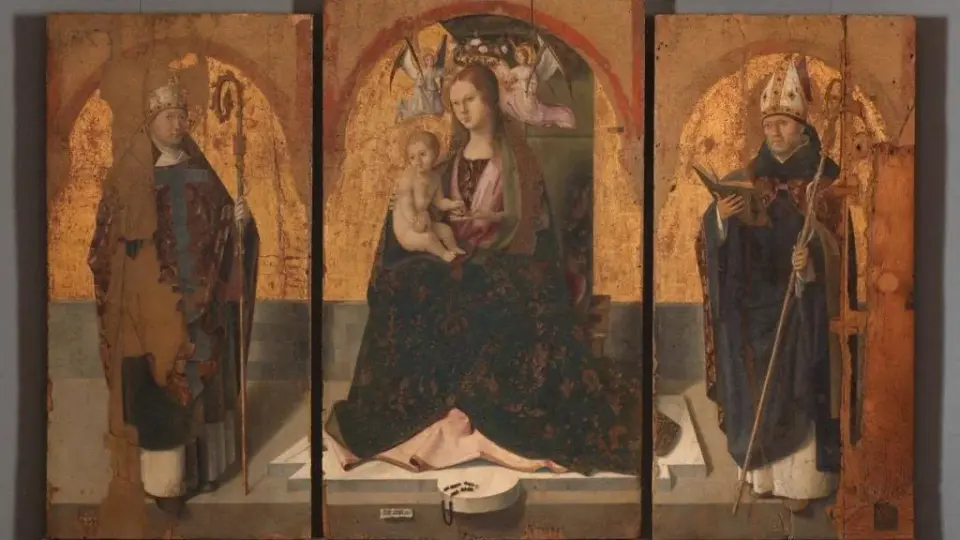
Four paintings by Renaissance master Antonello da Messina were stolen from the Regional Museum of Messina in Sicily on August 15, 2026. The theft occurred during the city's annual Procession of the Vara, a religious celebration that drew approximately 100,000 attendees and diverted law enforcement resources. The stolen works include three of the five surviving panels from the 'Polyptych of San Gregorio' and a small double-sided devotional painting. These were the only works by the artist, who was born in Messina, that remained in his native city. Italian officials described the incident as a planned, professional heist, and investigators are examining whether the theft was commissioned by an art dealer. Two other panels were found abandoned outside the museum, suggesting a selective or hurried theft. The loss has been condemned as a 'heinous criminal act' by local leadership, marking a significant blow to Italy's cultural heritage.
Key points
- Four paintings by Antonello da Messina were stolen from the Regional Museum of Messina (MuMe) on August 15, 2026.
- The theft coincided with the Procession of the Vara, a religious festival that attracted around 100,000 people and diverted police attention.
- The stolen works include three panels from the 'Polyptych of San Gregorio' and a double-sided Virgin and Child painting.
- These were the only works by Antonello da Messina that remained in his birthplace, Messina.
- Investigators are probing whether the heist was commissioned by an art dealer or driven by black-market motives.
- Two additional panels were found abandoned outside the museum, indicating a selective theft.
Background
This incident follows a broader pattern of art thefts in Italy, including a prior theft from a Parma museum earlier in 2026. The stolen works hold significant historical value, as they were the only pieces by Antonello da Messina, a 15th-century Renaissance master, that remained in his native city. The 'Polyptych of San Gregorio' is a notable altarpiece, and the double-sided painting has a documented provenance linked to the Wilhelm Soldan collection, authenticated in 2003. The theft underscores ongoing vulnerabilities in Italian museums during large public events.
How outlets are covering it
The New York Times and Artnet News both emphasize the 'planned' nature of the heist, citing Mayor Federico Basile's statement that the theft coincided with the Procession of the Vara. The New York Times highlights the cultural significance, noting these were the only works by Antonello da Messina left in Messina. Artnet News adds that investigators are determining if the theft was commissioned by an art dealer, a detail not explicitly mentioned in the New York Times report. CNN's coverage focuses on the timing during the holiday but provides fewer specific details on the investigation. All sources agree on the core facts: four paintings stolen, the specific works involved, and the context of the religious festival. The New York Times and Artnet News provide the most detailed accounts, while CNN offers a more general overview. No significant disagreements were found among the sources, but Artnet News uniquely mentions the investigation into art dealer involvement.
Why it matters
The theft of these paintings represents a significant loss to Italy's cultural heritage, as they were the only works by Antonello da Messina that remained in his birthplace. The incident highlights vulnerabilities in museum security during large public events and raises concerns about the black market for art. The investigation into potential art dealer involvement suggests a possible link to organized crime or illicit trade, which could have broader implications for art security and recovery efforts. The loss of these works, particularly the 'Polyptych of San Gregorio,' is a blow to the art world and the city of Messina, which has long been associated with the artist. The incident may also prompt increased scrutiny of museum security protocols in Italy, especially during major festivals or events that divert law enforcement resources.
What to watch
Italian authorities are investigating the theft, with prosecutors examining whether the heist was commissioned by an art dealer or driven by black-market motives. The recovery of the stolen works is a priority, and international cooperation may be sought if the paintings are suspected to have been moved abroad. The incident may lead to increased security measures at Italian museums, particularly during large public events. The art world and cultural institutions are likely to monitor the case closely, given the significance of the stolen works and the potential implications for art theft and recovery efforts. The investigation may also reveal broader patterns of art theft in Italy, prompting further scrutiny of museum security and law enforcement coordination during major events.
- Four 'extraordinary' Renaissance paintings stolen from Italian museum yahoo.com
- Mafia link feared in Sicilian grand master theft Reuters
- Art Heist: 4 Antonello da Messina Paintings Stolen From Sicily The New York Times
- Thieves steal 4 Renaissance artworks in a Sicilian museum heist during an Italian holiday CNN
- Renaissance Masterpieces Stolen in Sicilian Museum Heist—and Other Art World Matters Artnet News
Want the full story? Read the original reporting
Read on yahoo.com