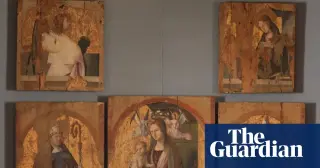
During the Ferragosto holiday in Sicily, thieves overnight stole four priceless Renaissance paintings by Antonello da Messina from the Regional Museum of Messina in a Louvre-like heist.
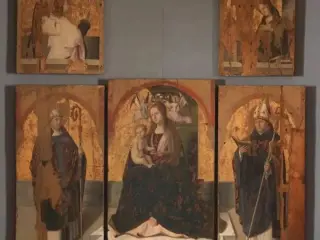
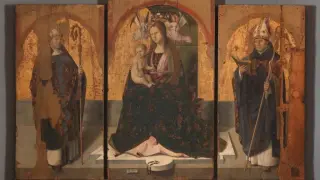
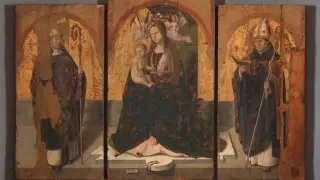
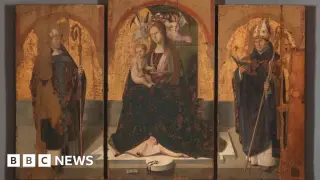
Four Renaissance paintings attributed to Antonello da Messina were stolen overnight from the Regional Interdisciplinary Museum of Messina in Sicily: three panels from the Polyptych of San Gregorio and a double-sided Madonna with Child and Christ in Pietà. Authorities are examining how the thieves bypassed alarms and believe the theft may have been ordered for the black market, highlighting concerns about security amid a string of European museum heists.
Four Renaissance paintings attributed to Antonello da Messina were stolen from the Regional Interdisciplinary Museum of Messina in Sicily on Saturday night, including three panels from the Polyptych of San Gregorio and a double-sided Madonna with Child and Christ in Pietà on wooden panels; authorities say alarms were not triggered and are probing how the thieves gained entry, with initial suspicions of a professional theft for the black market. The loss is described as extraordinary for the city and the art world, and comes amid a string of European museum heists, including a Parma-area case earlier this year in which Cézanne, Renoir and Matisse works were recovered.
Four Renaissance paintings—three panels from the Polyptych of San Gregorio and a double-sided Madonna with Child and Christ in Pietà, all attributed to Antonello da Messina—were stolen from Messina's Regional Interdisciplinary Museum, with thieves apparently bypassing alarms; investigators are probing whether the works were taken to order by black-market thieves, as officials condemn the loss to the city and art world.
Four wood panels by Antonello da Messina were stolen from Messina’s Regional Museum (MuMe) during Ferragosto, including three of the five surviving panels from the Polittico di San Gregorio and a small double‑sided Virgin and Child painting; two other panels were left abandoned on a wall outside. Prosecutors opened an investigation into possible illicit art‑market motives or a commission for an art dealer, with the works’ cultural and historical significance highlighted and the provenance of the Virgin and Child tied to the Wilhelm Soldan collection (authenticated to Antonello in 2003).