
Thieves Bypass Security to Steal Four Antonello da Messina Panels from Sicilian Museum
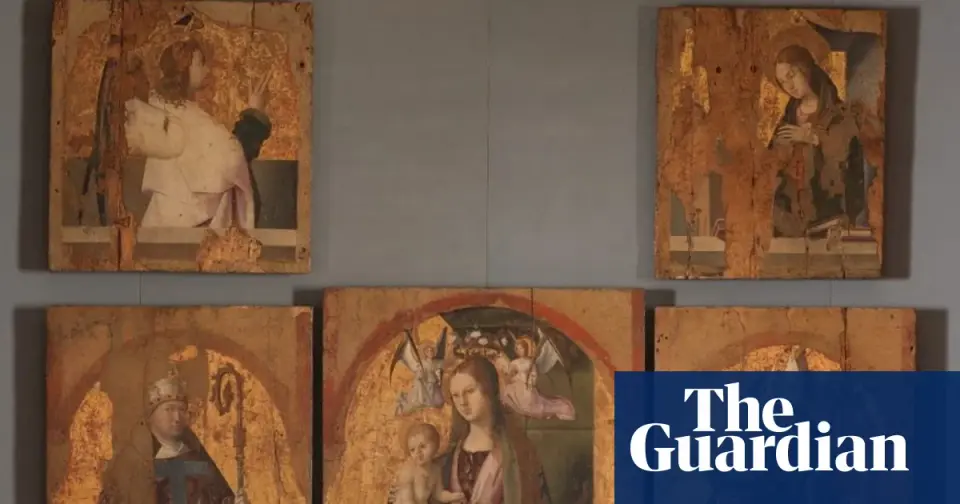
Four 15th-century paintings by Antonello da Messina were stolen from the Regional Museum of Messina on August 15, 2026. The theft occurred during a major city festival, with thieves bypassing alarms to take three panels from the San Gregorio Polyptych and a double-sided Virgin and Child panel. Italian prosecutors have opened an investigation, noting that two additional panels were abandoned outside the museum, suggesting a possible commission-based theft.
Key points
- Thieves stole four works by Antonello da Messina from the Regional Museum of Messina (MuMe) on the evening of August 15, 2026.
- The stolen items include three panels from the San Gregorio Polyptych and a double-sided painting of the Virgin and Child.
- The theft coincided with the La Vara religious festival and Ferragosto national holiday, potentially distracting security attention.
- Investigators are examining whether the theft was for the illicit art market or on commission for a dealer.
- Two additional panels were found abandoned on a wall outside the museum, though the reason remains unclear.
Background
This incident follows a series of high-profile art thefts and recoveries in 2026, including the recovery of Matisse drawings in Brazil and a Picasso print in Milwaukee. In February 2026, the Italian government purchased Antonello da Messina’s 'Ecce Homo' at Sotheby’s in New York for $14.9 million, highlighting the state’s active efforts to repatriate and protect Renaissance works. The 1908 Messina earthquake had previously destroyed the original monastery where the Polyptych was housed, making the surviving panels uniquely significant as they had never left the city.
How outlets are covering it
The Guardian and CBS News emphasize the cultural and symbolic loss, with museum director Marisa Mercurio and Minister of Culture Alessandro Giuli describing the theft as a 'wound' to historical memory. CBS News highlights the political reaction, noting the mayor’s outrage over the timing during religious celebrations. The Guardian provides technical detail on the security breach, noting that alarms were bypassed, while AP News focuses on the broader context of art theft, linking it to the recent recovery of Cézanne, Renoir, and Matisse works in Parma. All sources agree on the four stolen items but differ in emphasis: The Guardian and CBS focus on the cultural impact, while AP contextualizes the event within a pattern of recent art crimes in Italy.
Why it matters
The theft represents a significant loss to Italy’s cultural heritage, as Antonello da Messina is credited with introducing Flemish oil-painting techniques to Italy. The San Gregorio Polyptych was the only major work by the artist that had never left Messina, making its partial theft a unique blow to the city’s identity. The incident also raises questions about museum security during major public events and the potential role of organized art theft networks.
What to watch
Prosecutors in Messina are investigating the theft, with police reviewing surveillance footage and alarm system logs. Investigators are exploring whether the theft was for the illicit market or on commission. The recovery of the two abandoned panels may provide clues about the thieves’ motives or capabilities. No suspects have been named, and the four stolen works remain missing.
- Renaissance paintings by Antonello da Messina stolen from Sicilian museum The Guardian
- Thieves steal 4 Renaissance artworks in Sicilian museum heist on Italian holiday apnews.com
- 4 Renaissance paintings stolen from museum in Italy CBS News
- Thieves Steal Four Renaissance Paintings From Italian Museum in Brazen Heist The New York Times
- Four Antonello da Messina works stolen in Renaissance painter's hometown Reuters
Want the full story? Read the original reporting
Read on The Guardian