
BMW's 'Spider-Man' Dashboard Ads Spark Backlash Over 'Dystopian' Marketing
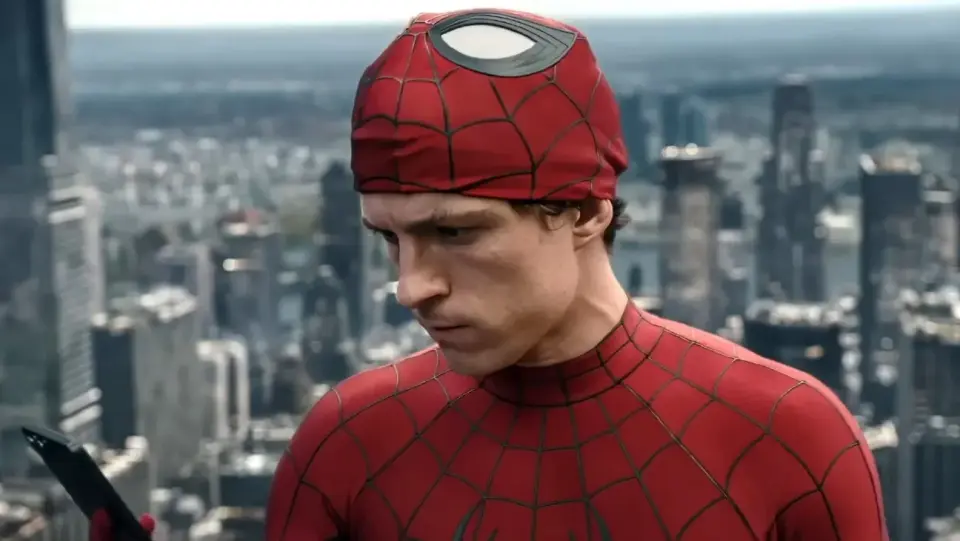
BMW has triggered a consumer revolt by pushing a 'Spider-Man: Brand New Day' advertisement onto the infotainment screens of its vehicles. The campaign, a partnership with Sony-Marvel, targets cars built after July 2020 in over 70 markets. While BMW frames the move as a limited-time 'surprise' experience, owners are furious about the intrusion into their private space, particularly given the automaker's previous stance against in-car ads.
Key points
- The promotion launched on July 27 and runs through August 10, appearing on newer BMW models.
- The ad appears as a banner at startup; tapping it triggers a full-screen video with synchronized ambient lighting.
- BMW previously stated in 2023 that the car interior is a 'private space' not suitable for commercial advertising.
- Critics compare the move to Apple's 2014 U2 album incident and BMW's failed heated-seat subscription attempt.
- BMW claims the feature is an optional 'themed animation' rather than a traditional advertisement.
Background
This incident follows a broader trend of automakers using over-the-air updates to introduce new services and revenue streams. In 2023, BMW faced significant backlash for attempting to charge a monthly subscription fee for heated seats, a feature already included in the purchase price. That controversy led to the cancellation of the subscription model and public statements from executives rejecting the idea of selling dashboard screen space for commercials. The current 'Spider-Man' campaign is viewed by many as a reversal of that policy, marking a shift from brand-specific holiday greetings to third-party commercial content.
How outlets are covering it
The Hollywood Reporter and Autoweek emphasize the contradiction between BMW's 2023 statements and current actions, highlighting the 'dystopian' nature of the move. The Atlantic focuses on the specific user experience, noting that while the ad can be skipped, it persists as an app on the display. Business Insider provides a broader industry context, linking the backlash to the failed heated-seat subscription and noting that the animation is delivered via BMW's 'Festive App.' While BMW insists the content is optional and celebratory, critics argue that the integration with ambient lighting and the mandatory initial banner constitute an intrusive commercial experience for high-value luxury buyers.
Why it matters
This controversy signals a potential shift in how luxury automakers approach the connected car era. It raises questions about the boundaries of in-vehicle advertising and consumer consent. If successful, this model could normalize third-party ads in private spaces, potentially affecting brand perception and customer loyalty for high-end vehicles that rely on exclusivity and privacy.
What to watch
BMW has stated the campaign is a one-off promotion and not the start of an ongoing advertising strategy. However, the intense backlash may force the company to reconsider its approach to in-car digital experiences. The outcome will likely influence how other automakers navigate the line between software-defined features and commercial monetization in the coming years.
- BMW Owners Angry ‘Spider-Man: Brand New Day’ Ads Are Suddenly in Their Cars: “F*** This” The Hollywood Reporter
- A 'Spider-Man' Ad Beamed Directly to Your Car The Atlantic
- You can't escape ads for the new Spider-Man movie — even in your BMW Business Insider
- BMW’s Spider-Man Promo Has Drivers Seeing Red Autoweek
- BMW Is Showing Commercials On Their Car's Dash Screens And They Want You To Think It's A Treat The Autopian
Want the full story? Read the original reporting
Read on The Hollywood Reporter