
California AB 1720 Dies in Senate Committee After StubHub's Record Lobbying Effort
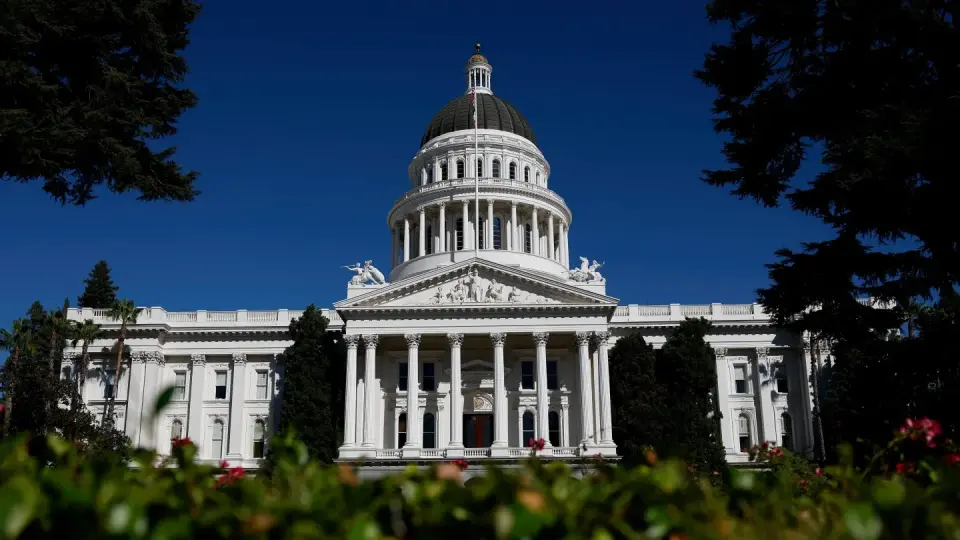
California Assembly Bill 1720, which sought to cap concert ticket resale prices at 10% above face value, failed to advance out of the Senate Appropriations Committee on August 13, 2026. The bill, introduced by Assembly Member Matt Haney in February, was significantly amended to apply only to venues with a capacity of 3,000 or fewer, excluding major arena and stadium events. Despite support from artists and venue associations, the legislation faced intense opposition from secondary ticketing platforms, most notably StubHub, which spent a record $3.4 million lobbying against the measure in California this year. While the bill failed in California, similar legislation has passed in Maine, Vermont, and Washington, D.C., and is pending in Massachusetts.
Key points
- AB 1720 failed to leave the California Senate Appropriations Committee on August 13, 2026.
- The bill originally proposed capping resale prices at 10% above the original ticket price but was amended to cover only venues with a capacity of 3,000 or fewer.
- StubHub spent $3.4 million on lobbying in California in 2026 to oppose the bill, with $2.6 million spent in the second quarter alone.
- Supporters included the National Independent Venue Association, Music Artists Coalition, and Live Nation, while opponents included secondary ticketing platforms.
- Similar resale cap laws have already been enacted in Maine, Vermont, and Washington, D.C., with Massachusetts Governor Maura Healey proposing a similar bill in 2026.
Background
The fight over ticket resale pricing has intensified in 2026, following earlier reports that StubHub was spending record amounts to lobby against California's AB 1720. In July 2026, Massachusetts Governor Maura Healey proposed the 'Great Divide Act,' which would cap resale prices at 110% of face value, mirroring the intent of the California bill. Additionally, the 2026 World Cup final saw record-breaking resale prices, highlighting the ongoing issue of inflated ticket costs in the secondary market.
How outlets are covering it
The Hollywood Reporter and Billboard both reported on the failure of AB 1720, highlighting the significant lobbying efforts by StubHub and the support from artist and venue groups. The Reynolds Center for Business Journalism provided a broader context on scalping, noting that while price caps are a common legislative response, some studies suggest they may be difficult to enforce and could drive resale activity underground. The Reynolds Center also highlighted alternative approaches, such as dynamic pricing, which has faced backlash from fans due to increased costs. The perspectives differ in their emphasis: THR and Billboard focused on the legislative outcome and lobbying dynamics, while the Reynolds Center questioned the effectiveness of price caps and explored other anti-scalping measures.
Why it matters
The failure of AB 1720 in California represents a significant setback for consumer protection efforts in the live entertainment industry. The bill's failure highlights the powerful influence of secondary ticketing platforms in shaping legislation, even when faced with broad support from artists, venues, and fans. The outcome may influence similar legislative efforts in other states, such as Massachusetts, and could lead to a reevaluation of the effectiveness of price caps as a tool to combat scalping. Additionally, the record lobbying spending by StubHub underscores the financial stakes involved in the ticket resale market and the potential impact on consumer access to affordable tickets.
What to watch
Assembly Member Matt Haney has stated that he will continue to work with a coalition of fans, artists, and venues to push for solutions that address ticket resale practices. The failure of AB 1720 may lead to renewed efforts in other states, such as Massachusetts, where Governor Maura Healey has proposed a similar bill. Additionally, the debate over the effectiveness of price caps may lead to the exploration of alternative measures, such as dynamic pricing or stricter enforcement of existing laws. The outcome of these efforts will be closely watched by consumers, artists, and industry stakeholders as they seek to address the issue of inflated ticket prices in the secondary market.
- California Bill to Cap Concert Resale Ticket Prices Dies After Lobbying Frenzy The Hollywood Reporter
- StubHub Is Spending Millions Trying to Stop a Bill That Would Cap Concert Ticket Resale Prices The Hollywood Reporter
- California Ticket Resale Cap Bill Fails to Move Forward Billboard
- CA bill targeting ticket scalpers draws support from venues, criticism from consumer advocates ABC7 Los Angeles
- Scalping hits hobbies: Expanding reporting beyond Ticketmaster Reynolds Center for Business Journalism
Want the full story? Read the original reporting
Read on The Hollywood Reporter