Tag

California Legislation

All articles tagged with #california legislation

California’s SB 868 Legalizes Balcony Solar, but HOA Rules and Limited Hardware Hinder Adoption
energy-and-policy3 days ago

California’s SB 868 Legalizes Balcony Solar, but HOA Rules and Limited Hardware Hinder Adoption

California Governor Gavin Newsom signed SB 868, the 'Plug and Play Solar Act,' in September 2026, allowing residents to install small solar systems on balconies starting January 2027. The law exempts these devices from standard interconnection requirements, aiming to lower energy costs for renters and homeowners. However, strict technical limits, including a 1,200-watt cap and mandatory certification, restrict current options to only two market devices. Critics note that high costs and landlord or HOA restrictions may limit the law's practical impact.

California Legalizes Plug-In Solar for Renters and Condos
energy-policy1 month ago

California Legalizes Plug-In Solar for Renters and Condos

Governor Gavin Newsom signed three energy bills on September 30, legalizing small plug-in solar systems for Californians who cannot install rooftop panels. The legislation allows devices up to 1,200 watts to connect directly to household outlets without utility approval, while new rules aim to integrate home batteries and electric vehicles into the grid to reduce costs and improve reliability.

California Signs 'Adam's Law' and Sweeping Tech Safeguards for Minors
technology-and-policy2 months ago

California Signs 'Adam's Law' and Sweeping Tech Safeguards for Minors

California Governor Gavin Newsom signed 13 bills on September 10, 2026, creating the nation's most comprehensive framework for protecting minors from technology. Key measures include Assembly Bill 1709, which bans 'psychologically exploitative' features like infinite scroll for users under 16, and 'Adam's Law,' which mandates safety protocols for AI chatbots. The package also imposes a four-year ban on AI companion toys and expands liability for platforms harming children.

California Enacts Sweeping Online Safety Laws Targeting AI and Social Media
technology-and-policy2 months ago

California Enacts Sweeping Online Safety Laws Targeting AI and Social Media

California Governor Gavin Newsom signed a package of 13 bills on September 10, 2026, creating the nation's strictest regulations for AI chatbots and social media involving minors. Key measures include AB 1709, which bans addictive features like infinite scroll for users under 16, and 'Adam's Law,' which mandates safety protocols for AI companions. The legislation follows a major settlement with Meta and aims to address youth mental health crises, though it faces criticism from digital rights groups.

California Lawmakers Debate Ban on AI-Driven Surveillance Pricing
policy-and-technology2 months ago

California Lawmakers Debate Ban on AI-Driven Surveillance Pricing

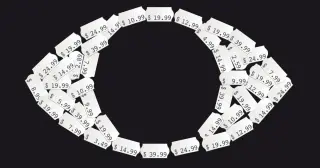
California is poised to ban 'surveillance pricing,' where AI uses personal data to set prices, following a 2025 JetBlue lawsuit and growing consumer concern. While Assembly Bill 2564 aims to stop algorithms from charging more based on wealth or urgency, critics argue this could eliminate dynamic discounts. The FTC is simultaneously proposing transparency rules, creating a fragmented regulatory landscape across states.

California Passes Data Center Energy Rules Amid Grid Cost Fears
technology-and-policy2 months ago

California Passes Data Center Energy Rules Amid Grid Cost Fears

California lawmakers finalized a compromise on Friday to regulate the energy use of data centers, aiming to prevent these facilities from shifting infrastructure costs to general consumers. The legislation requires the California Public Utilities Commission to establish specific rates for data center electricity usage, including charges for new power and infrastructure upgrades. This move follows intense community backlash and concerns over rising utility bills, as the state anticipates data center electricity consumption to double within a decade. While the bills were approved, industry groups argue that California’s high energy costs and new restrictions may hinder future development, while environmental advocates remain divided on the final provisions.

California AB 1720 Dies in Senate Committee After StubHub's Record Lobbying Effort
business3 months ago

California AB 1720 Dies in Senate Committee After StubHub's Record Lobbying Effort

California Assembly Bill 1720, which sought to cap concert ticket resale prices at 10% above face value, failed to advance out of the Senate Appropriations Committee on August 13, 2026. The bill, introduced by Assembly Member Matt Haney in February, was significantly amended to apply only to venues with a capacity of 3,000 or fewer, excluding major arena and stadium events. Despite support from artists and venue associations, the legislation faced intense opposition from secondary ticketing platforms, most notably StubHub, which spent a record $3.4 million lobbying against the measure in California this year. While the bill failed in California, similar legislation has passed in Maine, Vermont, and Washington, D.C., and is pending in Massachusetts.

California advances bill to keep online games playable after server shutdowns
technology6 months ago

California advances bill to keep online games playable after server shutdowns

A California bill, AB 1921, cleared the Assembly Appropriations Committee with amendments and now eyes a full Assembly floor vote. It would require game studios to keep online services running after server shutdowns or offer refunds, a measure backed by Stop Killing Games and opposed by the ESA. If it passes the Assembly and is signed by Governor Gavin Newsom, it could establish end‑of‑life plans for online titles and set a precedent for digital consumer rights.

California weighs license plates and speed caps for e-bikes amid safety concerns
policy6 months ago

California weighs license plates and speed caps for e-bikes amid safety concerns

California lawmakers are weighing AB 1942 (requiring DMV registration and license plates for Class 2/3 e-bikes) and AB 1557 (lowering the motor-aid speed to 16 mph and capping peak power at 750W for Class 1/2), along with SB 1167 to bar high-power e-motos from being marketed as e-bikes. If approved, the rules would take effect Jan. 1. The bills aim to improve enforcement and safety amid rising e-bike use—especially among youths—though critics say they could deter biking and miss the real safety issue of car traffic.

California's 2026 Laws: Cellphone Limits, Traffic Fines, and More
california-legislation10 months ago

California's 2026 Laws: Cellphone Limits, Traffic Fines, and More

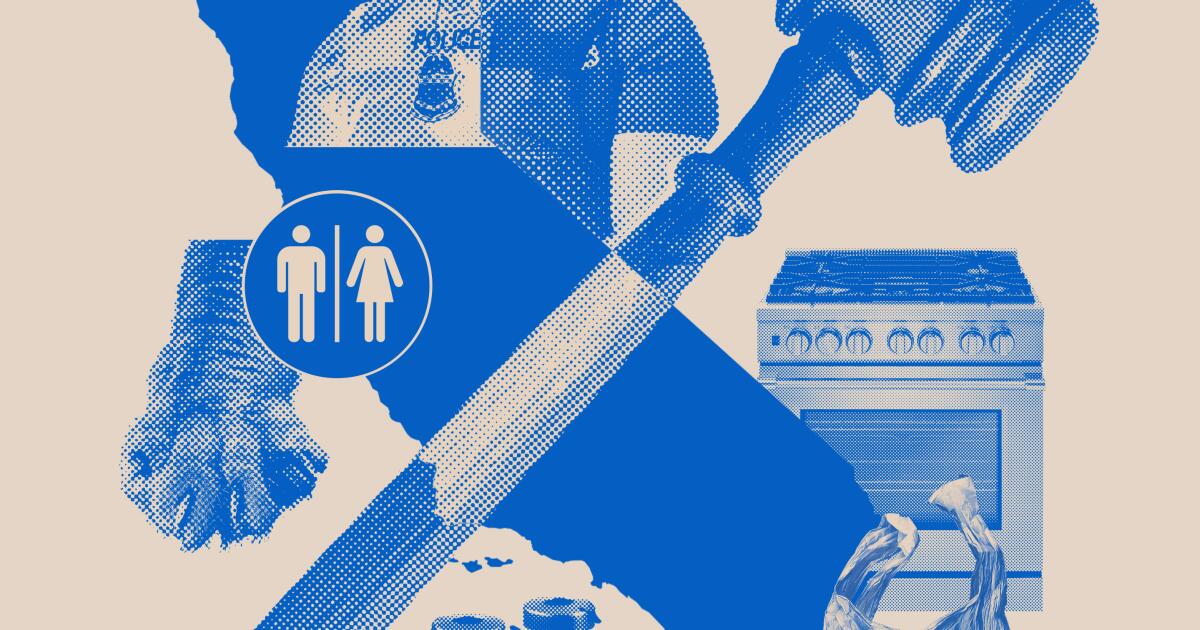
California has enacted nearly 800 new laws effective in 2025, covering areas such as healthcare (insulin cost caps, fertility treatments), law enforcement (mask bans), social issues (Diwali holiday, anti-antisemitism measures), consumer protections (plastic bag ban, food delivery refunds), and housing (faster construction, renter rights), reflecting Democratic priorities and impacting nearly every Californian.

California Implements New Laws to Simplify and Improve Car Buying Experience
politics1 year ago

California Implements New Laws to Simplify and Improve Car Buying Experience

Governor Gavin Newsom vetoed a bill that would have increased car dealer processing fees in California, citing concerns over cost increases for consumers, while signing another law that enhances protections for car buyers, including a three-day return policy and disclosure requirements. The veto disappointed car dealers, who argued the current fee cap is too low, but the new protections were widely praised by consumer advocates.

California Leaders Push for AI Regulation Amid Industry Lobbying
technology1 year ago

California Leaders Push for AI Regulation Amid Industry Lobbying

California State Senator Scott Wiener is advocating for SB 53, a bill that aims to impose safety reporting requirements on major AI companies to address risks like human harm and cyberattacks, while balancing innovation. The bill has gained support from industry players like Anthropic and is seen as a more moderate alternative to previous legislation, reflecting Wiener's belief that states must lead AI safety efforts due to federal inaction.