
Paramount-Warner Merger Clears Final Hurdle, Setting Stage for Immediate Layoffs
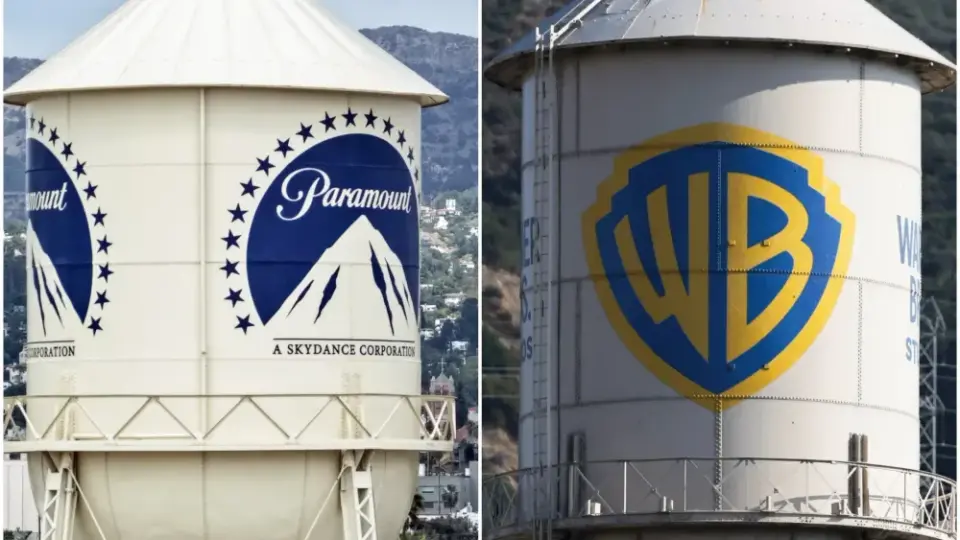
Paramount Skydance and 12 state attorneys general reached a settlement on September 21, 2026, clearing the final legal obstacle to the $111 billion acquisition of Warner Bros. Discovery. The deal includes a $1.5 billion production investment and newsroom safeguards but lacks structural divestitures, prompting industry insiders to anticipate multiple rounds of layoffs within two weeks.
Key points
- Paramount and 12 state AGs settled the antitrust lawsuit on Sept 21, 2026, allowing the $111 billion Warner Bros. Discovery merger to proceed.
- The settlement requires $1.5 billion in additional U.S. film/TV production over five years and 30 theatrical releases annually, but includes no mandatory divestitures of major assets.
- Insiders at both companies expressed shock at the settlement's speed and limited concessions, particularly regarding cable TV and the absence of structural changes.
- David Ellison confirmed the merger will close within two weeks, triggering expected mass layoffs in Q4 2026, with a $47.5 million workforce fund allocated for displaced employees.
- California AG Rob Bonta criticized the deal as 'not a vote of support' for the merger, while Gov. Gavin Newsom reportedly pressured for a settlement to keep operations in California.
Background
This settlement resolves a July 2026 antitrust challenge led by California AG Rob Bonta, which sought to block the merger over concerns of excessive media consolidation. Previous coverage noted the deal's reliance on behavioral guardrails rather than structural changes, including editorial boards for CNN and CBS News and a five-year ban on CBS News writer layoffs. The agreement follows months of negotiations and a late-weekend push to finalize terms before the merger's closing deadline.
How outlets are covering it
Variety reports that insiders at Paramount and Warner Bros. were 'stunned' by the settlement's speed and perceived weakness, particularly the lack of TV-focused concessions and the absence of divestitures for zombie channels. The outlet notes that while some executives felt relief at the deal's closure, others were 'pissed and disappointed' with the AGs' concessions. The New York Times emphasizes the removal of the last significant barrier to creating a media colossus, highlighting the $1.5 billion production commitment and 30-film annual quota. The Hollywood Reporter criticizes the $5 million annual indie film fund as a 'symbolic line item' and notes the lack of up-front structural changes, contrasting it with the merger's focus on major franchises like Harry Potter and Game of Thrones. CNN confirms the settlement but provides minimal detail on the terms, focusing on the resolution of the lawsuit. All sources agree that the settlement lacks the structural changes demanded by critics, but they differ in their emphasis on the deal's impact on layoffs, production, and political pressure from California officials.
Why it matters
The settlement clears the path for the largest media merger in history, potentially reshaping the entertainment industry's competitive landscape. The lack of structural divestitures and the focus on behavioral guardrails may allow Paramount to consolidate power over cable TV, film, and news, raising concerns about media concentration and reduced competition. The anticipated layoffs could impact thousands of employees across both companies, with the $47.5 million workforce fund providing limited support. The deal's closure also signals a shift in regulatory approach, as state AGs accepted a settlement without demanding major structural changes, potentially setting a precedent for future media mergers.
What to watch
The merger is expected to close within two weeks, triggering the first round of layoffs in Q4 2026. Paramount will need to implement the $1.5 billion production investment and 30-film annual quota, with penalties for non-compliance including the sale of its 49% stake in Miramax. The company will also need to establish the editorial independence board for CNN and CBS News and negotiate separate basic cable deals for Paramount and Warner Bros. assets. The workforce fund will be used for training and career development for laid-off employees, and the WGA settlement will prohibit CBS News writer layoffs for five years. The deal's long-term impact on media competition and consolidation will be monitored by the state AGs and a compliance committee.
- Paramount, Warner Bros. Insiders Stunned by Settlement, Readying for Layoffs Variety
- Paramount Settles States’ Lawsuit, Clearing Way for Warner Bros. Merger The New York Times
- Critics say California got too little in deal to let Paramount buy Warner Bros Reuters
- State attorneys general agree to settle Paramount merger lawsuit cnn.com
- $111 Billion Paramount-Warner Bros. Deal Coughs Up Just $5 Million a Year for Indie Films The Hollywood Reporter
Want the full story? Read the original reporting
Read on Variety