
Paramount settles with 12 states to finalize $110B Warner Bros. merger
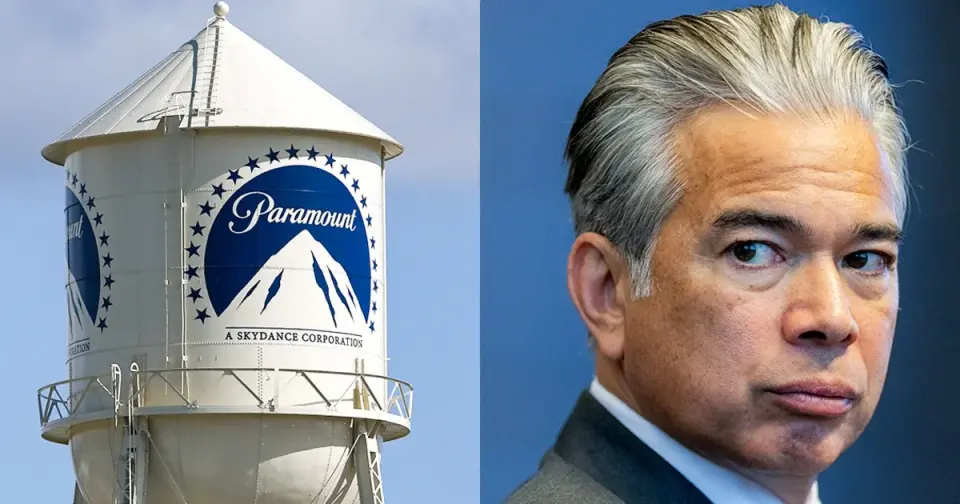
Paramount Skydance has reached a settlement with 12 state attorneys general, resolving the final major legal hurdle to its $110 billion acquisition of Warner Bros. Discovery. The deal, led by California Attorney General Rob Bonta, clears the path for the merger to close, likely by early October, avoiding a costly ticking fee and a scheduled antitrust trial. Key concessions include a pledge to release 30 films annually, a $1 billion investment in U.S. production, and the creation of independent editorial boards for CNN and CBS News. While the Writers Guild of America also settled its lawsuit, some state officials and industry unions expressed disappointment over the lack of structural divestitures.
Key points
- Paramount agreed to release 30 films per year for the first two years, followed by 32 films annually for the next three years, with a $30 million penalty for each missed film.
- The merged entity will invest over $1 billion in U.S. production and film releases, along with a $47.5 million workforce fund for displaced employees over five years.
- Independent editorial boards comprising five experienced journalists will oversee CNN and CBS News to ensure editorial independence, with no more than two members affiliated with the same political party.
- Paramount must negotiate basic cable carriage fees for Paramount and Warner channels separately to preserve competitive dynamics, as stated by New Jersey Attorney General Jennifer Davenport.
- The Writers Guild of America settled its lawsuit, securing a five-year ban on writer layoffs at CBS News Broadcast and a $17.5 million payment to its health fund, though the union remains opposed to the merger.
- The settlement avoids a 'ticking fee' of 25 cents per share per quarter, which would have cost Paramount over $600 million every three months if the deal did not close by September 30.
Background
The merger faced significant opposition since July 2026, when 12 states, led by California, sued to block the transaction under the Clayton Antitrust Act. Paramount had previously secured regulatory approvals from the U.S. Justice Department, the European Commission, and 68 other countries, but the states' challenge remained the last barrier. The deal is financed with sovereign wealth funds from Saudi Arabia, Qatar, and Abu Dhabi, which will hold nearly 50% equity, raising concerns about foreign influence and ties to President Trump. Paramount argued the merger was necessary to compete with tech giants like Netflix, while critics feared reduced competition in film distribution and cable carriage.
How outlets are covering it
NBC News and CNN reported that the settlement clears the final hurdle, with David Ellison praising the 'good faith' negotiations. The New York Times emphasized the deal as a 'colossus' in media, noting Paramount's argument that it counters tech dominance. The Hollywood Reporter highlighted a lesser-known provision protecting Pluto TV, requiring the merged company to maintain a free, ad-supported streaming service for five years. CNN noted that Connecticut Attorney General William Tong was 'deeply disappointed' that full divestiture of CNN and CBS News was not achieved, though he acknowledged the editorial board structure. The Writers Guild of America stated it was 'opposed to the deal' but had to 'contend with the reality of forging ahead alone' after the states dropped their case. SAG-AFTRA said the terms address 'some of our deep concerns' but remain the 'lowest standards' employers must meet.
Why it matters
The settlement resolves the last major legal obstacle to one of the largest media mergers in U.S. history, creating a combined entity that controls Paramount, Warner Bros., HBO Max, Paramount+, CBS News, and CNN. The deal reshapes the competitive landscape for streaming and film distribution, potentially impacting content availability, pricing, and editorial independence. The political dimensions, including ties to President Trump and foreign financing, raise questions about media concentration and regulatory oversight. The outcome sets a precedent for how antitrust challenges to large media mergers may be resolved through concessions rather than structural divestitures.
What to watch
The merger is expected to close by early October 2026, according to Warner Bros. Discovery CEO David Zaslav. The independent editorial boards for CNN and CBS News must be established within 180 days of closing. Paramount will begin fulfilling its film release and production investment commitments, with penalties for missed targets. The Writers Guild of America and SAG-AFTRA will monitor compliance with the settlement terms. The merged company will face ongoing scrutiny from state attorneys general and industry unions to ensure adherence to the consent decree.
- Paramount reaches deal with California, other states over Warner merger NBC News
- Paramount Reaches Deal to Clear Way to Create News and Media Giant The New York Times
- Free Streamer Pluto TV Gets a Lifeline in Paramount-Warner Bros. Consent Decree hollywoodreporter.com
- State attorneys general agree to settle Paramount merger lawsuit CNN
- AG Settlement Clears Way For Par-Warner Bros. Hollywood Transformation forbes.com
Want the full story? Read the original reporting
Read on NBC News