
Renoir Museum Heist Highlights Rising Art Crime Risks
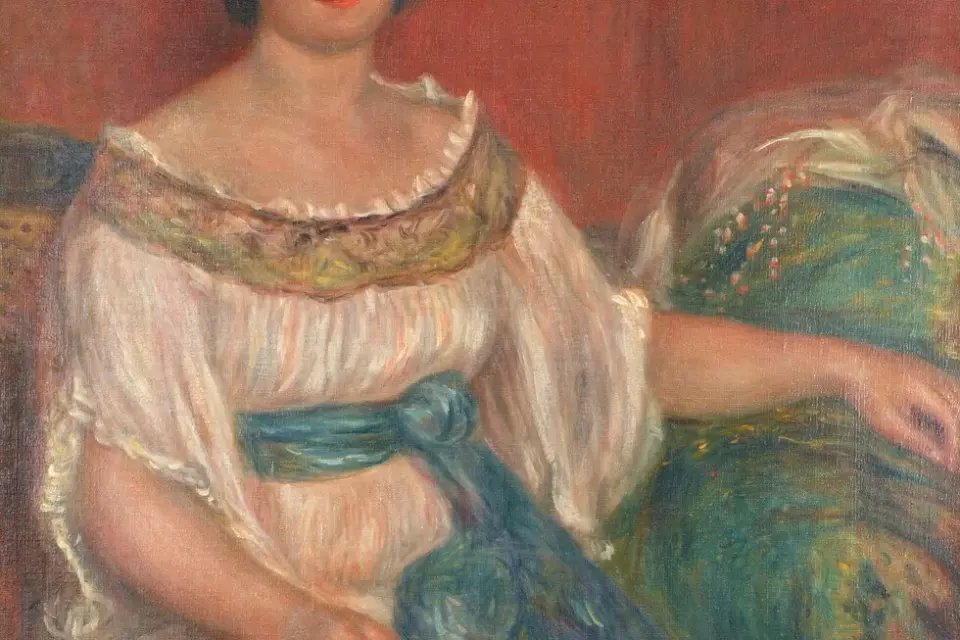
Two Renoir paintings remain missing after thieves stole four works from the Renoir Museum in Cagnes-sur-Mer, France, in a rapid dawn break-in. While two paintings were recovered in the museum gardens, the other two, 'Portrait of Madame Colonna Romano' and 'Young Woman at the Well,' are still at large. Experts note that while paintings are difficult to sell, recent high-profile thefts suggest a rising trend in museum heists across Europe.
Key points
- Thieves stole four Renoir paintings from the Renoir Museum in Cagnes-sur-Mer, France, in a break-in that took less than three minutes.
- Two of the stolen paintings were recovered in the museum gardens, but 'Portrait of Madame Colonna Romano' and 'Young Woman at the Well' remain missing.
- The theft occurred in the early morning, with the alarm system going off at 5:48 a.m. and police arriving within five minutes.
- Experts note that paintings are difficult to sell, but recent high-profile thefts suggest a rising trend in museum heists across Europe.
- The theft follows a series of other high-profile art thefts in Europe, including the theft of French crown jewels from the Louvre in October 2025.
Background
The Renoir Museum in Cagnes-sur-Mer, France, is dedicated to the 19th-century Impressionist master Pierre-Auguste Renoir. The museum, which was converted from Renoir's former home and studio in 1960, has been the target of a recent high-profile theft. This incident follows a series of other high-profile art thefts in Europe, including the theft of French crown jewels from the Louvre in October 2025 and the theft of paintings by Renoir, Cézanne, and Matisse from a museum near Parma, Italy, in March 2026.
How outlets are covering it
AP News emphasizes the difficulty of profiting from stolen paintings, noting that they are hard to hide and sell. CBS News focuses on the immediate aftermath of the theft, highlighting the police search for the two suspects and the recovery of two paintings. BBC News provides a broader context, noting that the theft is part of a rising trend in art crime across Europe and that only 5-10% of stolen art is ever recovered. Time Magazine analyzes the broader trend, noting that the theft is consistent with the methods used in other recent high-profile heists and that the Louvre heist may have inspired copycats.
Why it matters
The theft of the Renoir paintings highlights the rising trend in art crime across Europe and the challenges of securing museums. It also underscores the difficulty of profiting from stolen paintings, which are hard to hide and sell. The incident has prompted calls for greater government support to protect cultural heritage and has led to a new initiative by the International Council of Museums and Interpol to strengthen museum security.
What to watch
Police are actively searching for the two suspects who stole the Renoir paintings. The investigation is ongoing, and authorities are working to recover the two missing paintings. The incident has prompted calls for greater government support to protect cultural heritage and has led to a new initiative by the International Council of Museums and Interpol to strengthen museum security.
- Renoir paintings are worth a fortune, but not when they’re stolen AP News
- Thieves Steal Artworks From Renoir Museum in France nytimes.com
- 2 paintings by Renoir stolen from French museum dedicated to 19th century Impressionist, officials say CBS News
- Renoir: Police search for two thieves who stole Renoir paintings worth millions from French museum BBC
- Yes, There Has Been an Uptick in High-Profile Art Heists. Here’s Why Time Magazine
Want the full story? Read the original reporting
Read on AP News