
Fincher Defends AI Use in 'Cliff Booth' Amid Backlash Over Visible Artifacts
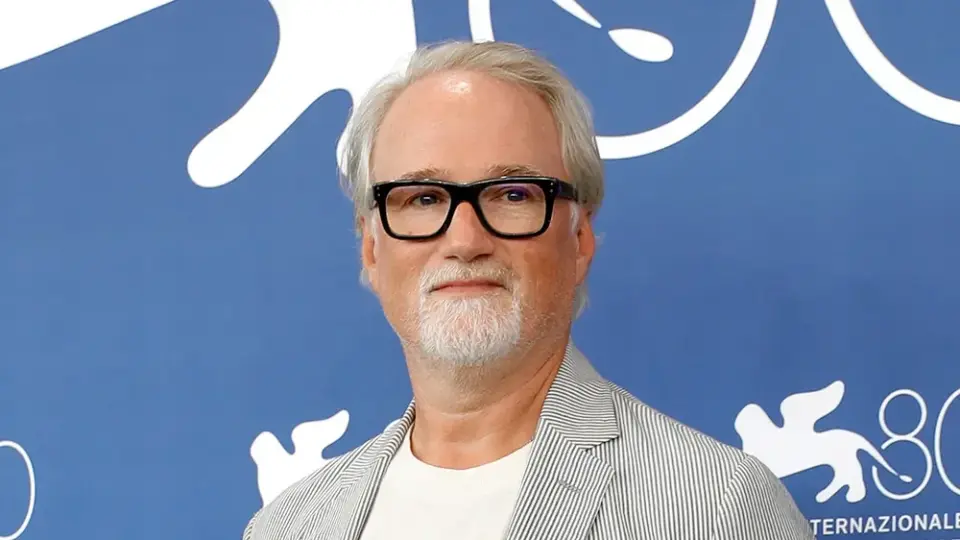
David Fincher defended the use of generative AI in his new film, 'The Further Mis-Adventures of Cliff Booth,' arguing that refusing to use new technology is a 'Luddite' stance. The film, which opened in IMAX theaters on November 25, has faced significant criticism from viewers and critics who identified visible AI artifacts, including a flashback scene with a horse-drawn carriage that appeared physically impossible. Fincher stated that AI was used to enhance the work of real human beings, specifically to sync the best audio and visual takes, and that only 5% of the film used automated dialogue replacement. While he acknowledged some shots did not work perfectly, he maintained that the technology allows filmmakers to focus on creative elements that AI cannot replicate, such as practical effects and human performance nuances.
Key points
- Fincher admitted in an interview with The Ringer that AI was used in post-production to sync the best audio and visual takes, describing the process as 'freeing' and comparable to working with plasticine rather than marble.
- He stated that only 5% of the film used automated dialogue replacement, while the rest of the AI usage was for other enhancements, and that actors only re-recorded dialogue above scenes for four or five days.
- Critics and viewers, including filmmaker Patrick Tomasso, criticized the film for 'blatant and egregious' AI use, citing issues like faces changing mid-scene, goofy physics, and a flashback scene where a horse carriage appeared to have two wagons or be positioned incorrectly.
- Fincher defended the use of AI by comparing it to the evolution of painting and filmmaking, arguing that refusing to use new tools is a 'Luddite' stance and that the technology allows filmmakers to focus on creative elements that AI cannot replicate.
- The film, written by Quentin Tarantino and starring Brad Pitt, opened in IMAX theaters on November 25 and is scheduled to stream on Netflix on December 23.
Background
The controversy emerged after the film's world premiere in Los Angeles on November 16 and its IMAX opening on November 25. Earlier coverage noted that Brad Pitt had explained the absence of Leonardo DiCaprio due to the high cost of prosthetics, and that the film focuses solely on Pitt's character, Cliff Booth. Fincher has a history of using AI for image restoration, including in the 4K remaster of 'Se7en,' where he used generative tools to fill in gaps from the original negative. The current backlash centers on the visible artifacts in the new film, which critics argue are a fundamental betrayal of the creative process, especially for a director known for meticulous attention to detail.
How outlets are covering it
Variety reports Fincher's admission that AI was used to enhance the work of real human beings, emphasizing his view that the technology is a tool for creative freedom. Deadline highlights Fincher's defense of AI use as a rejection of 'Luddite' thinking, quoting his LA Times interview. PetaPixel focuses on the specific visual artifacts that sparked backlash, including the horse-drawn carriage scene, and notes the criticism from film critics and fans. IndieWire provides context on Fincher's history with AI, noting his use of generative tools in the 'Se7en' remaster, and argues that the backlash is not surprising given his past stance on innovation. The outlets differ in emphasis: Variety and Deadline focus on Fincher's defense, PetaPixel on the specific artifacts, and IndieWire on the broader context of Fincher's relationship with AI.
Why it matters
The controversy highlights the growing tension between traditional filmmaking practices and the integration of generative AI in Hollywood. Fincher's defense of AI use, despite visible artifacts, signals a shift in how major directors and studios like Netflix approach new technology. The backlash from critics and viewers underscores the public's sensitivity to the quality and authenticity of visual effects, particularly in films that rely on nostalgia and meticulous detail. The outcome of this controversy may influence future industry standards for AI use in film production and could impact the film's reception and awards prospects.
What to watch
The film is scheduled to stream on Netflix on December 23. Fincher has not commented on the specific instances of AI use cited by critics, but he has expressed openness to using AI in future projects. The industry may see increased scrutiny of AI use in film production, with studios and directors potentially facing more public backlash if artifacts are visible. Netflix, which has been a proponent of AI in filmmaking, may continue to support the use of AI tools in its catalog, as it has already revealed that more than 300 programs in its catalog have used some level of generative AI this year.
- David Fincher Explains AI Use in ‘Cliff Booth’ and How AI Can Be Used on Film Sets to Reduce The Amount of Takes but Still Have ‘Real Human Beings’ Variety
- David Fincher Defends Use Of AI Amid ‘Cliff Booth’ Criticism: “Well, It Exists. Should We Not Use It?” Deadline
- David Fincher’s New Movie is Being Criticized for its ‘Blatant’ Use of AI PetaPixel
- If There’s Generative AI in ‘The Further Mis-Adventures of Cliff Booth,’ It’s Not the First Time David Fincher’s Used It IndieWire
- David Fincher is being dragged for suspected use of AI in his latest film The Verge
Want the full story? Read the original reporting
Read on Variety