
Fincher Defends AI Use in 'Cliff Booth' Amid Mixed Reviews and Oscar Speculation
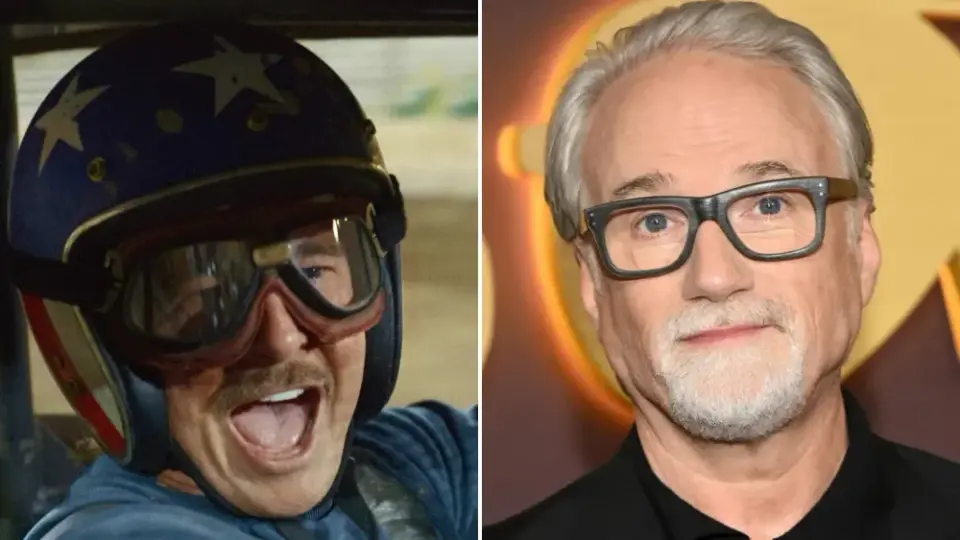
David Fincher has defended the use of generative AI in his latest film, 'The Further Mis-Adventures of Cliff Booth,' despite public backlash. The sequel to 'Once Upon a Time in Hollywood,' written by Quentin Tarantino and starring Brad Pitt, has received mixed critical reviews and is currently being evaluated for potential Academy Award nominations.
Key points
- Fincher stated in an interview with the Los Angeles Times that he is not a Luddite and believes technology should be utilized because it exists, countering criticisms of the film's AI usage.
- The film, which premiered in IMAX theaters on November 25 and will stream on Netflix on December 23, is set in 1977 Los Angeles and follows Brad Pitt's character, Cliff Booth, as a projectionist and Hollywood fixer.
- Critics have divided opinions on the film, with some praising its nostalgic atmosphere and Pitt's performance, while others criticize its lack of narrative drive and the perceived overuse of AI visual effects.
- Vulture analyzes the film's Oscar potential, noting that while it has strong brand equity, it may struggle to match the critical and financial success of its predecessor, 'Once Upon a Time in Hollywood.'
- The film has an 83% score on Rotten Tomatoes, but some viewers have reported walking out of the theater due to the AI imagery, highlighting significant audience dissatisfaction.
Background
The release of 'The Further Mis-Adventures of Cliff Booth' follows the 2019 hit 'Once Upon a Time in Hollywood,' which earned ten Oscar nominations and two wins. The new film marks a significant collaboration between Tarantino and Fincher, with Fincher directing Tarantino's script. Previous coverage noted that the film's release was accompanied by mixed critical reception, with some praising its stylish nostalgia and others criticizing its disjointed narrative. The current controversy over AI usage adds another layer to the film's reception, as it challenges traditional filmmaking norms and raises questions about the future of the industry.
How outlets are covering it
Deadline highlights Fincher's defense of AI usage, emphasizing his argument that technology should be embraced rather than feared. Vulture provides a detailed analysis of the film's Oscar potential, noting that while it has strong brand equity, it may struggle to match the critical and financial success of its predecessor. BBC offers a critical review, describing the film as a 'macho fantasy' that lacks depth and innovation, while IndieWire criticizes the film for its lack of narrative drive and the perceived overuse of AI visual effects. These perspectives highlight the divided reception of the film, with some praising its nostalgic atmosphere and others criticizing its lack of creative synergy and the use of AI.
Why it matters
The controversy over AI usage in 'The Further Mis-Adventures of Cliff Booth' highlights the growing tension between traditional filmmaking and new technologies. Fincher's defense of AI usage reflects a broader debate in the industry about the role of technology in creative processes. The film's mixed reception and Oscar speculation also underscore the challenges faced by sequels in maintaining the critical and financial success of their predecessors. This case study provides insight into the evolving dynamics of the film industry and the impact of new technologies on creative processes.
What to watch
The film will be available to stream on Netflix on December 23, 2026. The Academy Awards nominations are expected to be announced in January 2027, and the film's performance in the Oscar race will be closely watched. Additionally, the ongoing debate over AI usage in filmmaking is likely to continue, with more films potentially incorporating AI technology in the future.
- David Fincher Defends Use Of AI Amid ‘Cliff Booth’ Criticism: “Well, It Exists. Should We Not Use It?” Deadline
- Can Quentin Tarantino and Brad Pitt Strike Oscar Gold Twice With Cliff Booth? Vulture
- The Further Mis-Adventures of Cliff Booth review: Brad Pitt returns to his Oscar-winning role in a 'macho fantasy' ★★★☆☆ BBC
- ‘The Further Mis-Adventures of Cliff Booth’ Review: David Fincher’s Breezy Tarantino Spinoff Is a Disappointing Compromise Between Great Directors IndieWire
- "THE FURTHER MIS-ADVENTURES OF CLIFF BOOTH" - Review Next Best Picture
Want the full story? Read the original reporting
Read on Deadline