
Fincher Defends AI Tools as 'Cliff Booth' Faces Generative Imagery Scrutiny
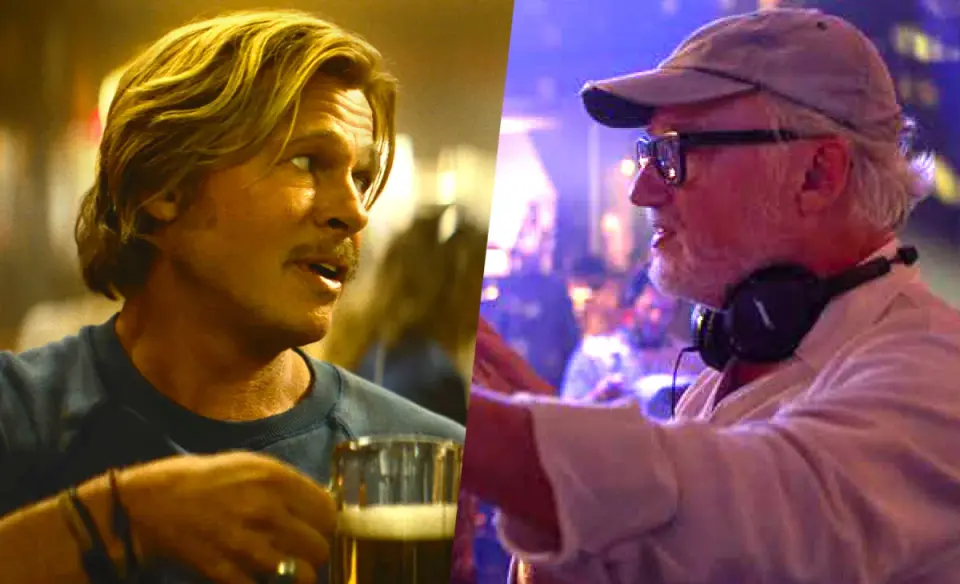
David Fincher has dismissed concerns about artificial intelligence in filmmaking as he defends the use of new technology in his latest project, 'The Further Mis-Adventures of Cliff Booth.' While critics and online observers allege the film contains generative AI imagery, Fincher argues that resisting technological progress is illogical. The film, written by Quentin Tarantino and starring Brad Pitt, has received mixed critical reviews but maintains a high audience score, with its release scheduled for IMAX theaters and Netflix.
Key points
- David Fincher stated in an interview with the Los Angeles Times that he is not a 'Luddite' and does not fear unknown technology, questioning why the industry should stop iterating on tools that already exist.
- Online critics and filmmakers, including Giovanni Lago and Patrick Tomasso, have circulated screenshots alleging the presence of generative AI imagery in 'Cliff Booth,' citing visual inconsistencies and physics errors.
- Netflix has not publicly confirmed or addressed the specific allegations regarding generative AI imagery in the film, though previous reporting confirmed Fincher used AI-assisted post-production tools from InterPositive.
- The film, which stars Brad Pitt and Elizabeth Debicki, opens in IMAX theaters on November 25 and will stream on Netflix on December 23, following a period of distribution challenges with major theater chains.
- Critics have noted that while some sequences appear to use AI, the evidence remains unconfirmed, and Fincher’s comments do not directly address the specific accusations against this project.
Background
The 'Cliff Booth' sequel has faced distribution hurdles, with major chains Regal and Cinemark opting out due to the short theatrical window, leaving AMC as the primary domestic exhibitor. The film has also reignited debate over its controversial Bruce Lee fight scene. Despite these issues, it has achieved an 83% score on Rotten Tomatoes, indicating strong audience reception despite divided critical opinions.
How outlets are covering it
David Fincher, via The Playlist, defends the use of AI as a natural evolution of filmmaking, comparing it to the long history of painting and arguing against stopping technological iteration. Critics from The Guardian and The Telegraph praise the film's craftsmanship and Brad Pitt's performance, focusing on its stylistic merits rather than the AI controversy. IndieWire offers a more critical view, describing the film as a 'muted but fascinating tug-of-war' between past and future, suggesting the collaboration dilutes both directors' strengths. Online commentators, cited by The Playlist, are more vocal in their accusations of AI use, describing the imagery as 'blatant' and 'egregious,' though they lack definitive proof.
Why it matters
This controversy highlights the growing tension between traditional filmmaking practices and the integration of AI in Hollywood. Fincher's defense of AI tools sets a precedent for how major directors may approach emerging technologies, potentially influencing industry standards and audience expectations. The lack of confirmation from Netflix leaves the debate open, but the public scrutiny underscores the sensitivity of the film industry to technological changes and their impact on artistic integrity.
What to watch
The film will be available in IMAX theaters starting November 25 and on Netflix from December 23. Further public statements from Netflix or Fincher regarding the AI allegations may emerge as the film gains wider viewership. The ongoing debate may also influence how other studios and directors approach AI in their productions, potentially leading to more transparency or stricter guidelines in the industry.
- David Fincher Defends AI As ‘Cliff Booth’ Faces Generative AI Controversy: “I Don’t Fear The Unknown” The Playlist
- The Further Mis-Adventures of Cliff Booth review – Tarantino and Fincher join forces for Brad Pitt’s glorious return The Guardian
- ‘The Further Mis-Adventures of Cliff Booth’ Review: David Fincher’s Breezy Tarantino Spinoff Is a Disappointing Compromise Between Great Directors IndieWire
- Brad Pitt and Tarantino will leave you with an adrenalin buzz like no other The Telegraph
- "THE FURTHER MIS-ADVENTURES OF CLIFF BOOTH" - Review Next Best Picture
Want the full story? Read the original reporting
Read on The Playlist