
Fincher Defends AI Use in 'Cliff Booth' Amid Backlash Over Visible Artifacts
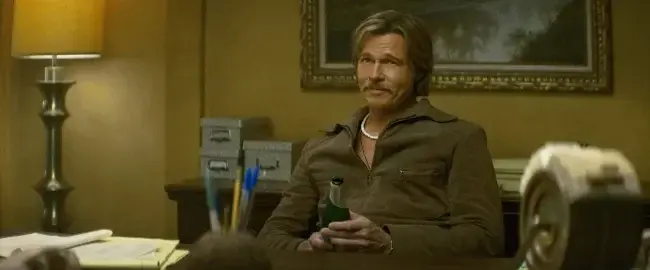
David Fincher has defended his use of generative AI in the new film 'The Further Mis-Adventures of Cliff Booth' despite widespread criticism that the technology is visibly flawed. While some viewers walked out of screenings due to what they perceived as 'astounding' AI artifacts, Fincher argues that refusing to use new tools is a Luddite stance. The film, written by Quentin Tarantino and starring Brad Pitt, is set for a limited theatrical release before hitting Netflix, with critics noting that the AI controversy may impact its Oscar prospects.
Key points
- Fincher stated in the Los Angeles Times that he is not a Luddite and believes the film industry should utilize existing AI tools rather than halting innovation.
- Critics and audiences have pointed to specific visual errors in the film, such as a wagon rendered incorrectly in a flashback sequence, as evidence of poor AI integration.
- Fincher previously used AI for image restoration in the 4K remaster of 'Se7en,' arguing that the technology should be invisible to the viewer when used correctly.
- The film, a sequel to 'Once Upon a Time ... in Hollywood,' is set in 1977 and stars Brad Pitt as a Hollywood fixer, with a runtime of 141 minutes.
- The movie is scheduled for a two-week IMAX theatrical run starting November 25, 2026, followed by a Netflix premiere on December 23, 2026.
Background
The film had previously received overwhelmingly positive early reactions at its Los Angeles premiere on November 16, 2026. Major theater chains like Regal and Cinemark declined to show the film due to its short theatrical window, a decision criticized by IMAX CEO Rich Gelfond. Brad Pitt had also explained at the premiere that Leonardo DiCaprio would not appear in the sequel due to the costs associated with prosthetic aging.
How outlets are covering it
IndieWire and Deadline highlight Fincher’s defense of AI as a necessary tool for innovation, contrasting it with the backlash from viewers who felt the technology was a betrayal of the creative process. AP News provides a critical review, noting that while the film is 'wonderfully fun' and visually lush, it feels 'aimless' and struggles to find a central purpose, awarding it two and a half stars. Vulture analyzes the film’s Oscar potential, suggesting that while the brand equity of Tarantino, Fincher, and Pitt is strong, the AI controversy and the film’s status as a 'hangout movie' may hinder its chances for Best Picture and Best Director nominations compared to its predecessor.
Why it matters
This controversy highlights the growing tension between traditional filmmaking standards and the rapid adoption of generative AI in Hollywood. Fincher’s defense challenges the notion that AI is inherently detrimental to art, while the public backlash underscores audience sensitivity to visible technological flaws. The outcome of this debate may influence how studios and directors approach AI integration in future productions, particularly regarding transparency and quality control.
What to watch
The film will begin its limited theatrical run on November 25, 2026, followed by its Netflix release on December 23, 2026. The reception of the film in theaters and on streaming platforms will likely determine its trajectory in the upcoming Academy Awards season, particularly in the Best Picture and Best Director categories.
- If There’s Generative AI in ‘The Mis-Adventures of Cliff Booth,’ It’s Not the First Time David Fincher’s Used It IndieWire
- Movie Review: 'The Further Mis-Adventures of Cliff Booth' burnishes the legend of a stuntman hero AP News
- David Fincher Defends Use Of AI Amid ‘Cliff Booth’ Criticism: “Well, It Exists. Should We Not Use It?” Deadline
- Can Quentin Tarantino and Brad Pitt Strike Oscar Gold Twice With Cliff Booth? Vulture
- "THE FURTHER MIS-ADVENTURES OF CLIFF BOOTH" - Review Next Best Picture
Want the full story? Read the original reporting
Read on IndieWire