
ABC News Correspondent Will Reeve Details Journey Through Testicular Cancer Treatment
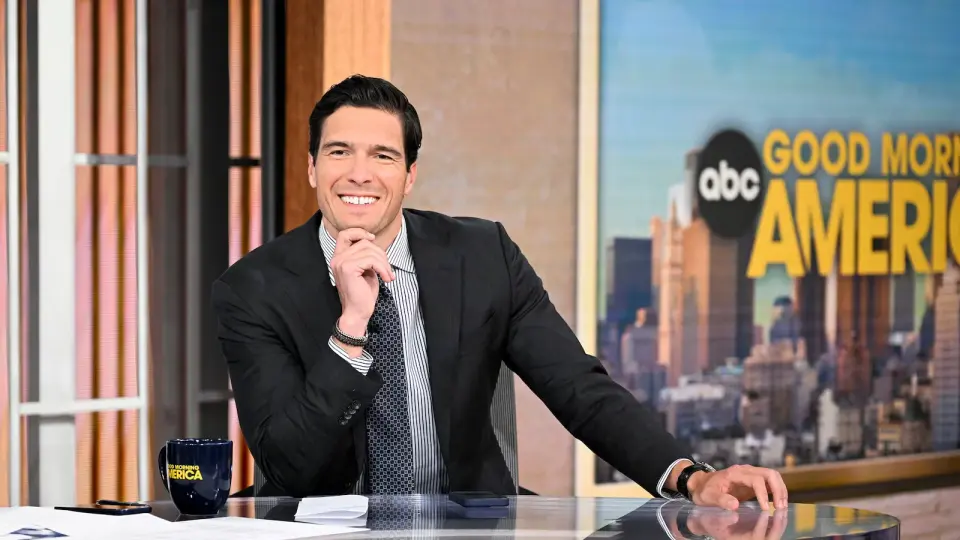
ABC News correspondent Will Reeve, 34, publicly disclosed his diagnosis of embryonal testicular cancer in April 2026, just months after his January wedding. Following an orchiectomy in May, he underwent a lymph node dissection in June and two cycles of chemotherapy at Memorial Sloan Kettering in July. Reeve stated that the treatment reduced his recurrence risk to nearly 1% and aims to raise awareness about the disease.
Key points
- Reeve identified a lump in April, leading to an ultrasound and subsequent orchiectomy in early May.
- He was diagnosed with embryonal carcinoma, an aggressive form of testicular cancer common in younger men.
- A June surgery removed dozens of lymph nodes, some of which were cancerous, prompting further treatment.
- Reeve completed two chemotherapy cycles at Memorial Sloan Kettering in July, accompanied by his wife.
- He experienced side effects including bone pain, ringing ears, and blood clots between treatments.
- Reeve finished treatment in early July, citing a nearly 1% risk of cancer return.
Background
This disclosure follows a broader trend of public figures sharing testicular cancer diagnoses, such as Denver Broncos player Alex Singleton. Reeve’s story also connects to his family history; his mother, Dana Reeve, underwent chemotherapy at the same facility before passing from lung cancer in 2006. Recent archive coverage highlights how testicular cancer affects young, active individuals, emphasizing the importance of early detection and awareness.
Why it matters
Reeve’s public account highlights the aggressive nature of embryonal carcinoma and the efficacy of combined surgical and chemical treatments. By sharing his experience, he aims to destigmatize the disease and encourage men to seek medical evaluation for symptoms like lumps, noting that the condition is often treatable.
What to watch
Reeve will appear on 'Good Morning America' on Wednesday and Thursday to discuss his recovery and provide insights alongside medical experts and other cancer patients. His continued public engagement is expected to further drive awareness regarding testicular cancer screening and treatment outcomes.
Want the full story? Read the original reporting
Read on abcnews.com