
Coroner links Australian actor Richard Norton's death to unapproved peptide injections
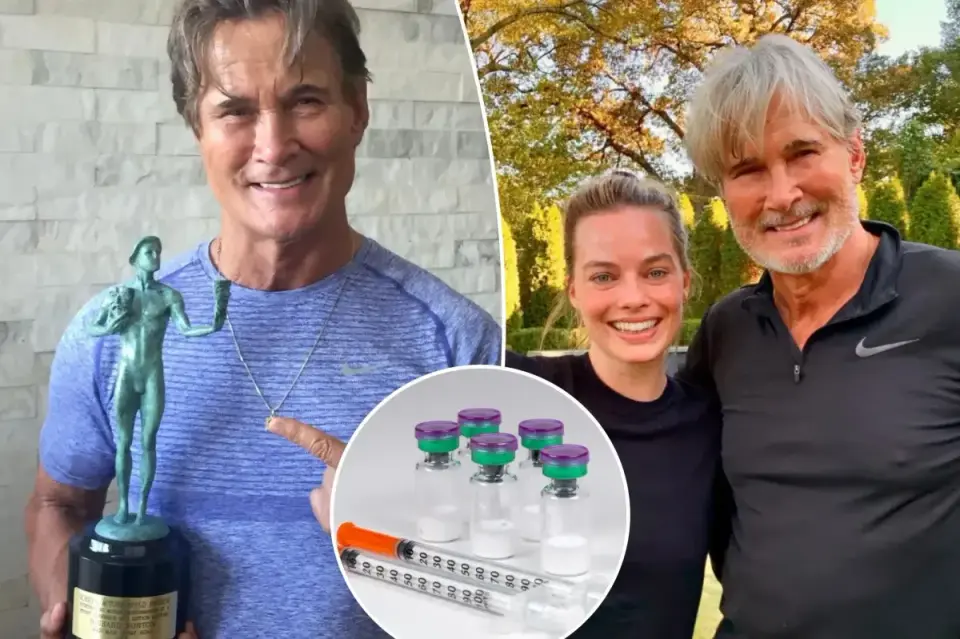
Australian coroner David Ryan has attributed the 2025 death of veteran actor and stuntman Richard Norton to the use of unapproved peptides. Norton, 75, suffered a cardiac arrest after injecting CJC-1295 and ipamorelin, which had been prescribed by Dr. Jerzy Muchnicki. The coroner found Norton had taken double the prescribed dose. This is believed to be the first confirmed fatality in Australia linked to unapproved peptides. Ryan has called on the Therapeutic Goods Administration (TGA) to restrict these substances to clinical trials only, citing insufficient evidence of their safety or efficacy.
Key points
- Richard Norton, a 75-year-old Australian actor, stuntman, and fight coordinator, died on March 30, 2025, in Melbourne after suffering a cardiac arrest.
- Coroner David Ryan determined that Norton's death was triggered by the injection of unapproved peptides CJC-1295 and ipamorelin, which he had been taking in excess of the prescribed dose.
- Dr. Jerzy Muchnicki prescribed the peptides in March 2025 to treat Norton's fatigue, muscle loss, and shoulder pain, following a discussion on the experimental nature of the treatment and a signed informed consent form.
- Norton disclosed to a nurse on March 28, 2025, that he had been taking double the prescribed dose; he became unresponsive hours later and died two days later at Alfred Hospital.
- The Medical Board of Australia investigated Dr. Muchnicki, finding his clinical notes 'sparse and inadequate,' but did not impose formal regulatory action, instead mandating retraining in record-keeping.
- Coroner Ryan recommended the TGA review the safety and therapeutic benefits of these peptides, suggesting they be restricted to Schedule 10 (clinical trials/experimental use) rather than Schedule 4 (prescription-only).
Background
This incident follows a broader trend of scrutiny regarding unapproved and experimental medical substances. In September 2026, the death of model Presley Gerber sparked outrage over a doctor's role in prescribing ketamine despite known drug struggles. Additionally, recent high-profile deaths of actors such as Sir Patrick Stewart and Walter Koenig have highlighted the fragility of aging stars, though those deaths were due to natural causes like Alzheimer's and heart failure, not experimental treatments. The Norton case stands out as a direct link between a prescribed, unapproved wellness trend and a fatal outcome.
How outlets are covering it
While all sources agree on the basic facts of Norton's death and the coroner's findings, they differ in emphasis. The New York Post highlights the 'wellness' and 'anti-aging' aspects of the peptide stack, framing it as a cautionary tale for Hollywood stars seeking youth. ABC News and The Guardian focus more heavily on the regulatory and medical board aspects, detailing Dr. Muchnicki's investigation and the coroner's specific recommendation to change the peptide's legal schedule. Nine.com.au provides a more straightforward news summary, emphasizing the 'first fatality' aspect and the specific medical cause (anaphylactic reaction leading to cardiac arrest). The Guardian and ABC also note that Dr. Muchnicki's practice was deemed 'unsatisfactory' but not warranting formal regulatory action, a nuance the New York Post mentions less prominently.
Why it matters
This case underscores the risks of unapproved, experimental medical treatments, particularly those marketed for anti-aging and performance enhancement. It highlights the gap between prescription availability and regulatory approval, and the potential dangers of patient non-compliance with dosing. The coroner's call for tighter restrictions could lead to significant changes in how peptides are prescribed and accessed in Australia, potentially impacting a growing market for longevity and wellness treatments. It also raises questions about the adequacy of medical oversight and record-keeping in the use of unproven therapies.
What to watch
The Therapeutic Goods Administration (TGA) is expected to review the coroner's recommendations and consider whether to impose further restrictions on unapproved peptides, potentially moving them to a schedule that limits their use to clinical trials. Dr. Jerzy Muchnicki is required to undergo one-on-one training in clinical record-keeping and management. The case may also prompt broader discussions in Australia and potentially other countries about the regulation of peptides and other unapproved substances used for wellness and anti-aging purposes.
- Actor dies suddenly after injecting peptides — despite doctor’s approval New York Post
- Actor's death may be first confirmed fatality linked to unapproved peptides ABC News & Headlines – Australian Broadcasting Corporation
- Coroner calls for TGA to review unapproved peptides after death of Australian actor The Guardian
- Aussie actor and stuntman’s death attributed to peptide usage Nine.com.au
- Peptide-related death spurs call for telehealth inquiry Medical Republic
Want the full story? Read the original reporting
Read on New York Post