
Coroner rules 'Mad Max' actor Richard Norton died from peptide overdose
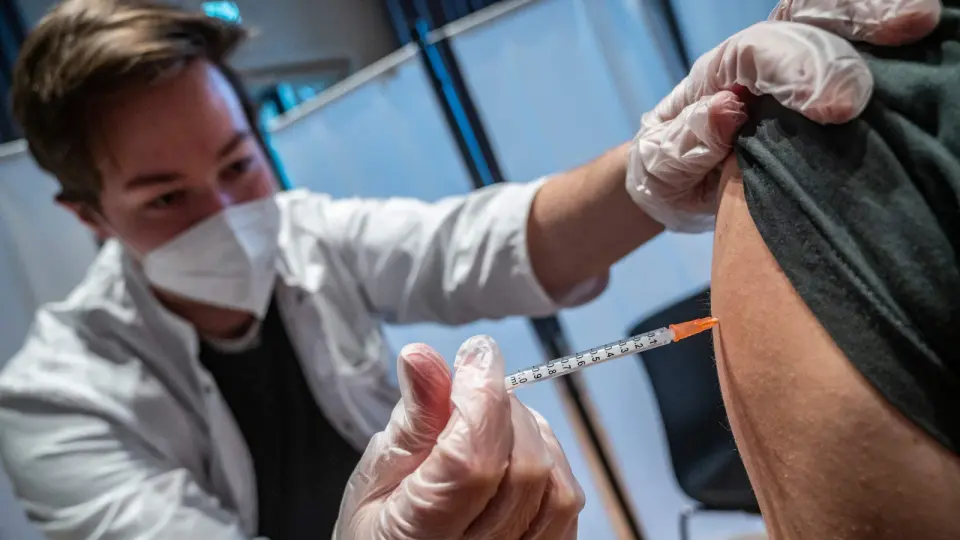
Australian coroner David Ryan has ruled that veteran actor and martial artist Richard Norton died from a cardiac arrest triggered by an allergic reaction to unapproved peptides. Norton, 75, had doubled his prescribed dose of CJC1295 and ipamorelin, leading to anaphylaxis. The findings, released in late October 2026, highlight the dangers of experimental peptide therapies and have prompted calls for stricter regulatory controls in Australia.
Key points
- Coroner David Ryan concluded that Richard Norton's death on March 30, 2025, was caused by anaphylaxis resulting from an injection of CJC1295 and ipamorelin.
- Norton had been prescribed the peptides by Dr. Jerzy Muchnicki for fatigue and muscle loss but admitted to a nurse on March 28, 2025, that he had been taking double the prescribed dose.
- The coroner's report identified asthma and hypertrophic cardiomyopathy as contributing factors to Norton's death.
- Dr. Muchnicki was criticized for authorizing additional peptides without verifying Norton's dosing history and has since ceased prescribing peptides.
- Coroner Ryan recommended that Australia's Therapeutic Goods Administration restrict unapproved peptides to clinical trials only, citing insufficient safety data.
Background
This ruling follows earlier coverage in late October 2026 that highlighted the coroner's findings and the potential for stricter regulations on unapproved peptides in Australia. Norton's death is noted as the first confirmed fatality in Australia linked to such substances. The case occurs amid broader global discussions on peptide safety, including recent U.S. moves to allow compounding pharmacies to produce certain peptides despite FDA concerns.
How outlets are covering it
While all sources agree on the cause of death, they emphasize different aspects. USA Today focuses on the medical details, noting that Norton signed a consent form acknowledging the risk of anaphylaxis. NBC News highlights the regulatory failure, pointing out that Dr. Muchnicki was faulted for not consulting the nurse's record regarding Norton's incorrect dosing. The Guardian emphasizes the regulatory implications, quoting the coroner's view that peptides should not be available for general prescription due to unknown risks. ABC, cited by USA Today, notes Norton's extensive career in over 80 films, including 'Mad Max: Fury Road' and 'Suicide Squad.'
Why it matters
This case underscores the risks associated with unapproved peptide therapies, which are often promoted online for anti-aging and performance enhancement. The coroner's recommendation for stricter regulations could lead to tighter controls on peptide availability in Australia, potentially impacting how these substances are prescribed and used globally. It also highlights the importance of informed consent and medical oversight in experimental treatments.
What to watch
Australia's Therapeutic Goods Administration is expected to review the findings and consider restricting unapproved peptides to clinical trials. Dr. Muchnicki is required to undergo training in clinical record keeping and has vowed not to prescribe peptides without robust clinical evidence. The case may also influence global discussions on peptide safety and regulation, particularly in the U.S., where some peptides have recently been approved for compounding pharmacies.
- 'Mad Max' actor Richard Norton died after peptide injection, coroner finds USA Today
- Richard Norton, actor and martial artist, died after peptides triggered heart attack, coroner says NBC News
- ‘Mad Max’ Actor Richard Norton Cause of Death Revealed to Be Linked to Peptide Usage People.com
- Coroner calls for TGA to review unapproved peptides after death of Australian actor The Guardian
- Richard Norton may be the first confirmed death linked to peptides NewsNation
Want the full story? Read the original reporting
Read on USA Today