
Musicians Sue Suno for AI Identity Theft, Igniting Global Copyright Backlash
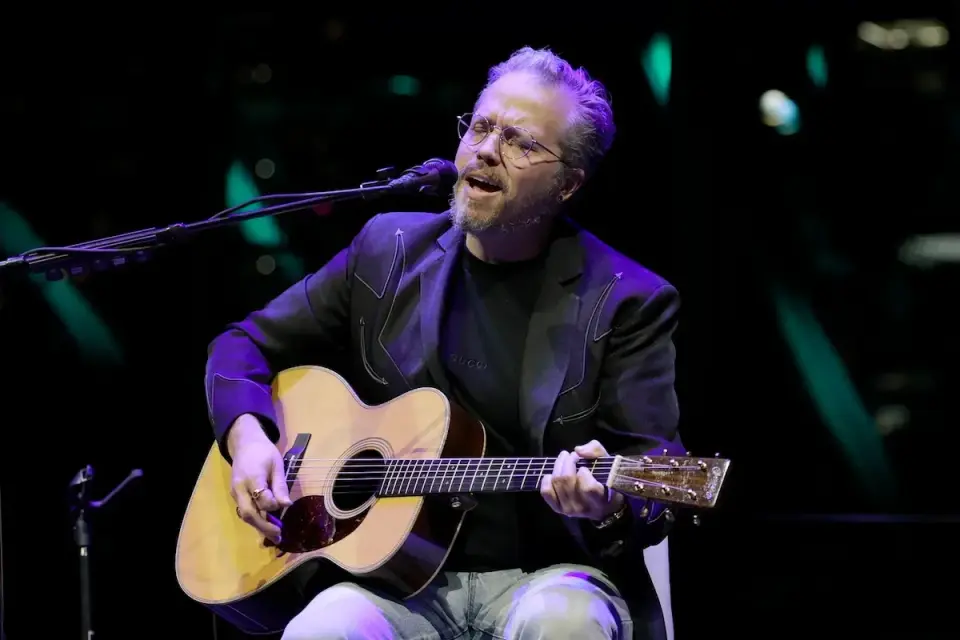
Jason Isbell and other artists have filed a class-action lawsuit against AI music platform Suno, alleging it violates their rights of publicity by using their names to generate imitative music. This legal action coincides with a broader wave of copyright lawsuits from global rights organizations, including SOCAN in Canada, challenging Suno's use of protected works without consent.
Key points
- Jason Isbell, David Lowery, Guy Forsyth, and Eduardo Calle filed a class-action lawsuit against Suno in U.S. District Court in Boston on August 31, 2026.
- The lawsuit claims Suno’s system treats artist names as retrieval keys to generate music, descriptions, and images that mimic their specific styles, violating rights of publicity in New York, California, and Tennessee.
- Plaintiffs argue that Suno’s name-blocking filters are easily bypassed, such as by inserting spaces between letters, allowing users to prompt the AI with names like 'm i c h a e l j a c k s o n'.
- Suno’s projected revenue is estimated to reach $1 billion by 2028, and the lawsuit seeks unspecified financial damages for a potential class of millions of artists.
- Canadian rights organization SOCAN filed a separate lawsuit against Suno for copyright infringement, citing at least 150 AI-generated outputs that infringe on works by artists like Joni Mitchell and Avril Lavigne.
Background
This legal escalation follows earlier industry tensions regarding AI in music. In August 2026, a documentary used AI to recreate Billy Joel, sparking debate over likeness rights. Additionally, major labels like Warner Music Group have previously settled with Suno, while Sony and Universal continue to litigate copyright infringement claims. The current lawsuits represent a shift from copyright disputes to direct challenges against the commercialization of artist identities.
How outlets are covering it
Stereogum and Pitchfork focus on the specific class-action lawsuit led by Jason Isbell, emphasizing the 'rights of publicity' angle and the ease of bypassing Suno’s safety filters. Billboard highlights the broader international legal landscape, detailing SOCAN’s copyright infringement suit in Canada and noting that Suno is facing simultaneous legal pressure from Mexican publishers and American publishing companies. While Stereogum notes the lawsuit’s independence from copyright claims, Billboard frames the SOCAN action as a reinforcement of existing copyright protections in the AI era. Suno’s response, cited by Pitchfork, dismisses the claims as meritless, asserting its platform is designed for original creation rather than imitation.
Why it matters
These lawsuits test the legal boundaries of AI in the music industry, challenging whether an artist's name and style can be used as commercial prompts without consent. The outcome could set precedents for how AI platforms handle artist identities and copyright, potentially impacting the $1 billion projected revenue of companies like Suno and the broader AI music ecosystem.
What to watch
The Boston court will determine the validity of the rights of publicity claims, while Canadian courts will address SOCAN’s copyright infringement allegations. Suno is expected to defend its position that its filters prevent misuse, though plaintiffs have demonstrated bypass methods. The resolution of these cases may lead to new industry standards for AI training data and prompt restrictions.
- Jason Isbell, David Lowery, & More Sue Suno For Violating Rights Of Publicity Stereogum
- Jason Isbell Sues Suno Pitchfork
- Operator of AI music generator can’t escape copyright suit Massachusetts Lawyers Weekly
- SOCAN Sues Suno for Copyright Infringement Over AI Generated Music Outputs Billboard
- Licenses Versus Lawsuits: Why Suno’s Parallel Legal Strategies May Pose a ‘Conundrum’ K-Jewel 99.3 FM
Want the full story? Read the original reporting
Read on Stereogum