
CBS Invokes First Amendment to Dismiss 'Matlock' Writer's Harassment Suit
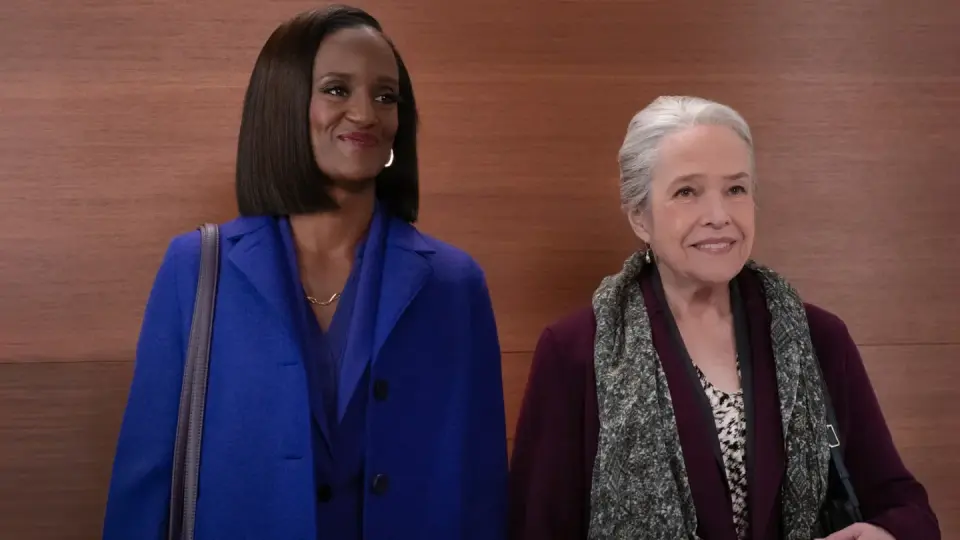
CBS Studios has filed a motion in Los Angeles Superior Court to dismiss a lawsuit brought by former 'Matlock' writer John Lowe, arguing that his claims of racial and sexual harassment are fabricated and that his non-renewal was a protected creative decision under California’s anti-SLAPP statute. While Lowe alleges a hostile work environment involving discriminatory comments and a Juneteenth slur, CBS counters that he was let go due to performance deficiencies, not retaliation. The studio’s legal team asserts that the allegations are 'outright lies' and that Lowe’s termination was a legitimate exercise of free speech in determining the writers' room composition. Lowe’s attorney maintains that the complaint was drafted to withstand such motions and that the alleged harassment was severe and unlawful. The case highlights a sharp legal dispute over the boundaries of creative discretion versus workplace discrimination protections in the entertainment industry.
Key points
- CBS Studios filed a motion to dismiss John Lowe's lawsuit under California's anti-SLAPP statute, claiming his non-renewal was a creative choice protected by the First Amendment.
- Lowe alleged a hostile work environment, including racially stereotyped comments about his body and a Juneteenth slur ('Coonteenth') by showrunner Jennie Snyder Urman, but CBS disputes these claims as fabricated.
- CBS argues Lowe was not terminated but simply not renewed after a 20-week contract, citing performance issues such as failing to follow writing assignments and poor outlines, rather than retaliation for reporting harassment.
- Lowe's attorney, Ron Zambrano, stated that the complaint was drafted anticipating the anti-SLAPP motion and expressed confidence in opposing it, while CBS called the allegations 'maliciously fabricated' and 'outright lies.'
- The lawsuit involves defendants Jennie Snyder Urman, Nicki Renna, and Jeffrey Lieber, with CBS stating that Lowe's first HR complaint came after he demanded $10,000 from Urman in January 2026, 18 months after his departure.
Background
This legal dispute follows Lowe's initial lawsuit filed in June 2026, where he alleged that CBS and 'Matlock' producers created a hostile work environment through discriminatory and sexually explicit conduct. CBS had previously stated in June that an internal investigation found no merit to Lowe's allegations. The current motion to dismiss represents the next phase of the legal battle, with CBS seeking to strike the complaint entirely based on free speech protections rather than addressing the merits of the harassment claims directly. The case is part of a broader pattern of entertainment industry lawsuits involving allegations of discrimination and the use of anti-SLAPP statutes to dismiss claims that studios argue are retaliatory or fabricated.
How outlets are covering it
The Hollywood Reporter emphasizes CBS's First Amendment argument, highlighting the studio's claim that non-renewal was a creative decision and detailing specific performance issues cited by CBS, such as Lowe's failure to follow writing assignments. Variety focuses on the anti-SLAPP statute and the detailed declarations from producers Urman, Renna, and Lieber disputing specific allegations, including the Juneteenth slur and a dog-related incident, while noting Lowe's attorney's confidence in opposing the motion. Deadline underscores the stark language used by CBS, describing the allegations as 'fabrications and outright lies' and emphasizing the studio's stance that Lowe was not renewed due to performance deficiencies that impacted the show's content. All three outlets agree on the core facts of the motion and the parties involved but differ in emphasis: THR focuses on the creative choice argument, Variety on the procedural anti-SLAPP aspect and specific disputed claims, and Deadline on the aggressive language and performance-based justification for non-renewal.
Why it matters
This case sets a precedent for how entertainment studios can use First Amendment and anti-SLAPP protections to dismiss harassment and discrimination lawsuits, potentially making it harder for employees to pursue claims of a hostile work environment if their non-renewal is framed as a creative decision. The outcome could influence future legal strategies in the industry, affecting how studios handle workplace complaints and how plaintiffs frame their cases to withstand early dismissal motions. It also highlights the tension between creative discretion in writers' rooms and the legal protections afforded to employees against discrimination and harassment.
What to watch
Lowe's attorney, Ron Zambrano, has indicated that they will oppose the motion to dismiss, stating that the complaint was drafted with the anti-SLAPP statute in mind. The court will need to determine whether CBS's decision not to renew Lowe's contract qualifies as a protected creative decision under the First Amendment or if it was retaliatory for reporting alleged harassment. The case may proceed to discovery or trial if the motion is denied, with potential implications for other similar lawsuits in the entertainment industry. CBS has stated it will 'vigorously defend' the lawsuit and is confident that the allegations will be exposed as fabricated.
- CBS Argues First Amendment Protections in Bid to Dismiss ‘Matlock’ Writer Lawsuit Over Allegedly Racist Comments The Hollywood Reporter
- CBS Files Motion to Dismiss Former 'Matlock' Writer's Lawsuit Variety
- CBS fires back at former ‘Matlock’ writer’s lawsuit, denies ‘baseless’ allegations Entertainment Weekly
- CBS Files Motion To Dismiss Ex-'Matlock' Writer's Lawsuit Deadline
- CBS Calls Former Matlock Writer’s Allegations of Hostile Work Environment ‘Baseless’ as It Moves to Dismiss Lawsuit People.com
Want the full story? Read the original reporting
Read on The Hollywood Reporter