
Online Creators Pivot to Real-World Festivals and Conventions
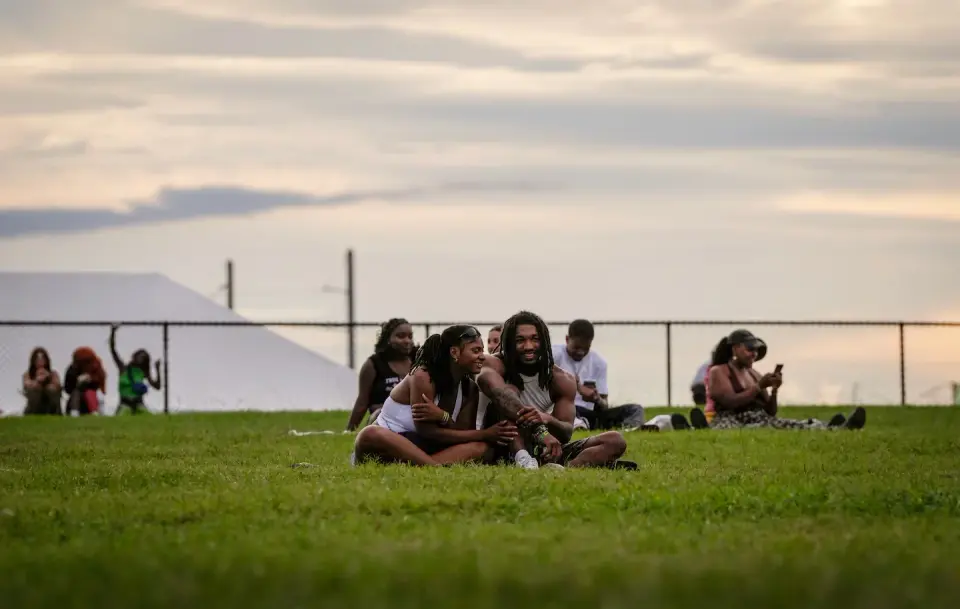
Digital creators are leveraging online fame to launch physical events, exemplified by the TouchGrassTV collective's inaugural music festival in Orlando, which drew 3,700 attendees and featured headliner PartyNextDoor. This trend reflects a broader shift where influencers diversify beyond algorithms to build owned communities and professionalize their brands through real-world experiences.
Key points
- Dwight Morrison, known as YaBoyRoshi, organized the TouchGrass Music Fest in Orlando on October 3, attracting 3,700 people despite being a first-time planner.
- The festival featured artists including JID, Aminé, Flo Milli, and Tia Corine, with PartyNextDoor as the headliner, validating the creators' ability to book professional talent.
- The event was inspired by Dream Con, a Black-owned convention founded by the RDCWorld comedy group, which recently hosted a record 45,000 attendees.
- Creators like Jasmine (JazzyGuns) and Morrison emphasize authenticity and community over algorithmic trends, resisting pressure to perform caricatures for viral attention.
- The initiative highlights a broader industry movement where influencers diversify into filmmaking, food festivals, and other media to maintain relevance amid constant platform changes.
Background
This development follows a broader trend of digital talent entering traditional media spaces, such as Druski's reported upcoming hosting role on Saturday Night Live, which would make him the first online creator to lead the show. While that move signals acceptance in mainstream entertainment, the TouchGrassTV initiative represents a different strategy: creators building independent, owned ecosystems rather than seeking validation from legacy institutions.
Why it matters
The success of the TouchGrass Music Fest demonstrates that digital creators can transition from platform-dependent influencers to independent business owners capable of managing complex, large-scale events. By prioritizing community ownership and authentic representation, these creators are challenging corporate event models and proving that online audiences can be mobilized for physical, high-stakes ventures, thereby reshaping the economics of content creation.
What to watch
Expect more creators to diversify into physical events and other media formats to mitigate risks associated with algorithmic changes on platforms like YouTube. The success of this festival may encourage other influencers to pursue similar ventures, potentially leading to a new wave of creator-owned festivals and conventions that prioritize community engagement over corporate sponsorship.
Want the full story? Read the original reporting
Read on The Washington Post