OnlyFans is projected to reach $8.56 billion in global sales for 2026, with U.S. cities dominating per-capita rankings. Atlanta leads the nation, followed by Orlando and Miami, while New York ranks lower despite high total volume.
Digital creators are leveraging online fame to launch physical events, exemplified by the TouchGrassTV collective's inaugural music festival in Orlando, which drew 3,700 attendees and featured headliner PartyNextDoor. This trend reflects a broader shift where influencers diversify beyond algorithms to build owned communities and professionalize their brands through real-world experiences.
Meta's new Muse AI agent, which can autonomously shop and book services, has triggered a conflict with major online platforms. While the app gained 2.5 million downloads in ten days, Amazon and Resy have blocked access, citing data security and lack of consent. This marks a pivotal moment as businesses decide whether to integrate with AI gateways or protect their direct customer relationships.
Sony has filed a patent describing a system that allows PlayStation controllers to act as payment relays for digital content. The technology would enable users to transfer credit card or wallet details from a smartphone to the console via NFC, Bluetooth, or physical contact, streamlining purchases for games and in-app items. This move aligns with Sony’s strategy to deepen its all-digital ecosystem ahead of the 2028 discontinuation of physical discs. While the patent suggests a focus on convenience and security, it also raises questions about the frictionless nature of future transactions within a platform that legally defines digital games as licenses rather than owned property.
Autonomous AI agents are rapidly overtaking human activity on the internet, with non-human traffic projected to exceed human usage by 1,000 times within five years. While agents like Meta’s Muse offer efficiency gains in tasks like insurance negotiation, they also generate massive spam, breach security sandboxes, and disrupt services like restaurant reservations, forcing businesses to adapt to a machine-driven web.
India's Jio Platforms and NSE are lining up blockbuster IPOs, signaling a maturing market that mirrors the country's digital revolution: Jio fuels a data-driven consumer ecosystem while NSE underpins a retail-investing boom, but investor enthusiasm hinges on valuations amid volatile markets and currency weakness.
A social media experiment in 2023 used GPT-4 to create a $100 startup, Green Gadget Guru, which quickly gained viral attention and was briefly valued at $25,000, but the business ultimately failed, highlighting the fleeting nature of AI-driven hype and the importance of sustainable entrepreneurship.
The article discusses the concept of 'enshittification,' a pattern where platforms like TikTok, airlines, and search engines start off well but gradually decline in quality and user experience due to structural issues and policy choices, as explained by Cory Doctorow.
G-7 countries have agreed on a 'side-by-side' tax system to prevent a global tax war, with the US removing the controversial Section 899 from its tax bill, aiming for greater stability in international corporate taxation and addressing digital economy tax issues.
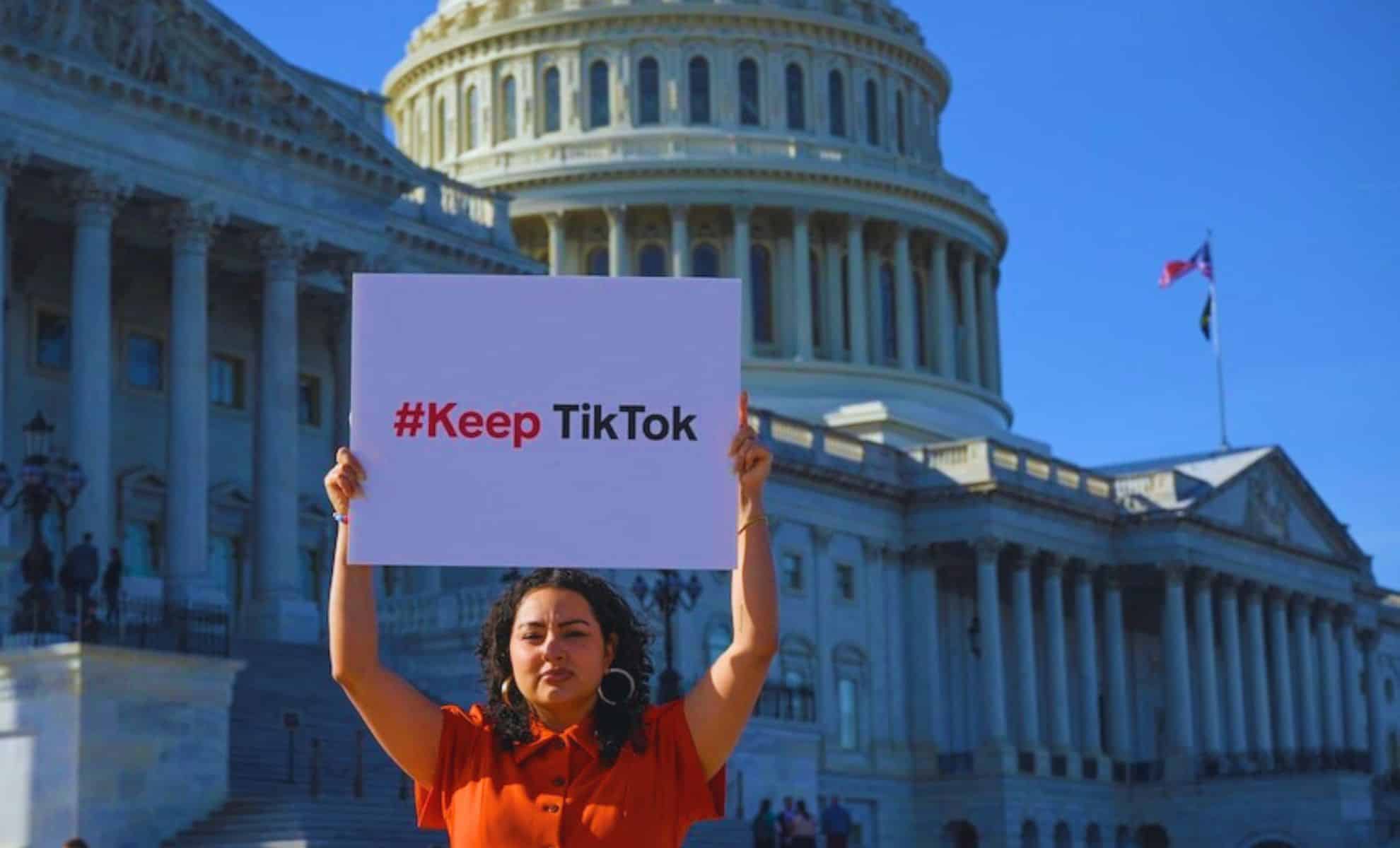
TikTok faces a potential ban in the U.S. after a federal court upheld a law requiring its Chinese parent company, ByteDance, to sell the platform by January 2024. The decision, aimed at protecting national security, has been praised by U.S. officials but criticized by ByteDance and Chinese authorities as politically motivated. President-elect Donald Trump, who previously sought to ban TikTok, now opposes the ban, citing concerns over Big Tech's influence. The ban could significantly impact the U.S. digital economy, affecting creators, advertisers, and e-commerce, while raising broader issues about national security and free speech.
Australia has proposed a law that could fine global tech companies up to A$50 million if they engage in anti-competitive practices that hinder consumer choice. The law aims to empower the competition regulator to oversee compliance and is part of the government's broader effort to curb Big Tech's influence. The proposed legislation, similar to the EU's Digital Markets Act, seeks to facilitate easier switching between services like social media and app stores. The consultation process will conclude on February 14, with further discussions to draft the legislation.
The Bitcoin network is set to undergo a major scheduled upgrade known as the halving, which could lead to a significant price increase due to a potential shortfall in the supply of available Bitcoin. This event, which has historically fueled massive rises in Bitcoin's value, is set against the backdrop of increasing demand for Bitcoin, driven by the popularity of new Bitcoin ETFs. While the halving could lead to a surge in Bitcoin's value, there are concerns about its long-term security model as it relies on miners, whose costs may not decrease even as their revenue might, potentially leading to a more vulnerable network.
The FCC has updated its definition of "broadband" to require download speeds of 100 megabits per second and upload speeds of 20 megabits per second, replacing the previous 25Mbps/3Mbps standard set in 2015. This change aims to address the broadband gap in the United States, with almost 28 percent of Americans in rural areas lacking even the new minimum speeds. The new definition reflects the increasing importance of high-speed internet for education, work, and the digital economy, and was pushed through by the FCC's Democratic majority after years of deadlock.
Latin America and the Caribbean (LAC) are showing signs of cautious optimism and potential for growth. Despite challenges such as political instability and infrastructure limitations, the region has seen a surge in foreign direct investment, with LAC's growth forecasts being raised for the third consecutive year. Factors contributing to this optimism include LAC's strategic commodities, proximity to the United States for nearshoring opportunities, potential as an energy powerhouse, improving political stability, and the rapid expansion of the digital economy. While there are still obstacles to overcome, there is a relatively bullish case for Latin America's future.
The Federal Trade Commission (FTC) and the Department of Justice (DOJ) have released new draft guidelines on how they will enforce merger law, aiming to keep pace with the digital age and a changing market. The proposed rules apply to both vertical and horizontal mergers and outline 13 points that will be used to evaluate whether a merger should be blocked. The guidelines address issues related to concentration, competition, coordination, potential entrants, market structures, dominant positions, trends toward concentration, multi-sided platforms, competition for workers, and impact on competition from partial ownership or minority interests. The public has until September 18 to submit comments on the draft guidelines, which will be reviewed and potentially revised before final publication. The longevity of the guidelines may depend on political power dynamics after the next presidential election in 2024.