
Chomet Denies AI Use in Dior Ad as Cartoon Brew Apologizes for Initial Reporting
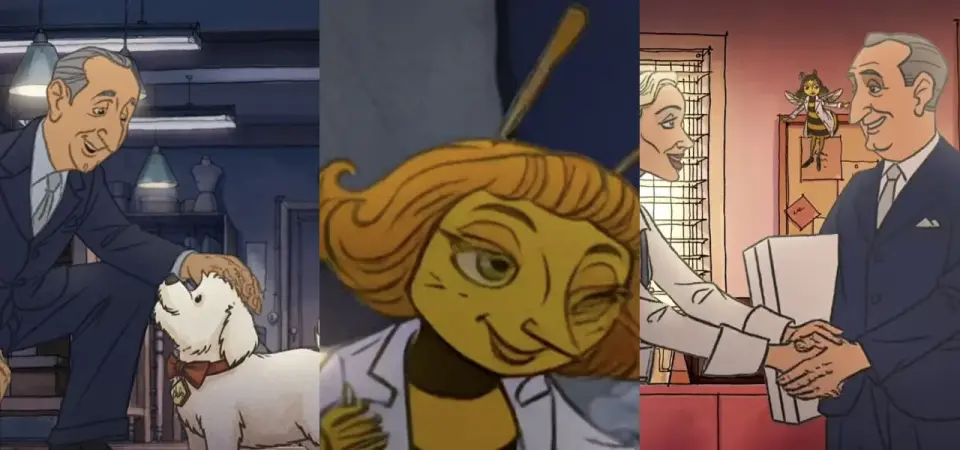
Sylvain Chomet and producer Aton Soumache deny that generative AI was used to create the Dior holiday short 'Christian Dior’s Night in Color,' insisting it was traditional 2D animation. Cartoon Brew has apologized for initially labeling the film as hand-drawn without verifying production methods, acknowledging that visual artifacts suggest AI involvement. The controversy highlights tensions between traditional craftsmanship claims and modern digital tools in high-fashion advertising.
Key points
- Cartoon Brew retracted its initial description of the Dior short as 'hand-drawn' after users identified potential AI artifacts, issuing a formal apology for insufficient verification.
- Chomet and Soumache assert the film took seven months to produce with approximately 20 staff, including six animators, using traditional 2D techniques for characters and backgrounds.
- The producers acknowledge using automated interpolation for intermediate frames to ensure fluid movement but deny that generative AI created the artwork.
- Critics point to visual glitches, such as a character with six fingers, as evidence of AI use, while Chomet argues these are common in traditional animation to convey motion.
- The short features voice work from Robert Pattinson, Rihanna, Josh O’Connor, LaKeith Stanfield, Louis Garrel, and Camille Cottin, narrating a 1949 story involving Christian Dior and Marlene Dietrich.
Background
This dispute follows Cartoon Brew’s initial coverage of the Dior campaign on November 4, 2026, which praised the collaboration between Chomet and Dior creative director Jonathan Anderson. The archive contains no prior coverage of this specific controversy, but it aligns with broader industry discussions regarding the definition of 'hand-drawn' animation in the digital era. Chomet’s recent work, including 'A Magnificent Life' and the prologue for 'Joker: Folie à Deux,' has established his reputation for traditional animation styles, making the current accusations particularly notable for his career.
How outlets are covering it
Cartoon Brew initially accepted Dior’s promotional materials at face value but later acknowledged that visual evidence suggested AI usage, issuing an apology for not scrutinizing the video more carefully. In contrast, Variety reports that Chomet and Soumache firmly deny generative AI use, clarifying that they only used automated interpolation for in-between frames, a technique they describe as mechanical rather than creative. TheWrap emphasizes the cultural significance of the campaign, framing it as a celebration of hand-made animation against the backdrop of 'AI slop,' while noting the parallel with Prada’s similar holiday campaign. The divergence lies in the definition of 'traditional' animation: Chomet views digital tablets and interpolation as modern tools for traditional drawing, while critics interpret visual glitches as definitive proof of generative AI involvement.
Why it matters
The incident underscores the growing ambiguity in the animation industry regarding the boundaries between traditional and AI-assisted production. As luxury brands increasingly leverage animation for high-end campaigns, the distinction between 'hand-drawn' and 'AI-generated' becomes a critical issue for artistic integrity and consumer trust. Chomet’s defense of using digital tools to maintain traditional aesthetics reflects a broader shift in the industry, where the line between manual craftsmanship and automated assistance is becoming increasingly blurred, prompting debates about disclosure and authenticity in creative work.
What to watch
Cartoon Brew states it will update its reporting if Chomet or Dior’s PR team responds to their requests for clarification. The producers have not yet addressed the specific visual artifacts cited by critics, leaving the question of whether AI was used in the final imagery unresolved. The controversy may influence how luxury brands and animation studios disclose their production methods in future campaigns, potentially leading to stricter standards for transparency in the use of automated tools.
- Sylvain Chomet’s Dior Ad Faces AI Accusations And We Apologize Cartoon Brew
- ‘Triplets of Belleville’ Director Sylvain Chomet Fires Back at AI Accusations Over Dior Film Featuring Robert Pattinson’s Voice: ‘Everything Was Drawn by Hand’ (EXCLUSIVE) Variety
- Why Dior’s Holiday Ad Sparked Debate The Business of Fashion
- Sylvain Chomet’s Dior Short Film Features Robert Pattinson, Josh O’Connor and Rihanna TheWrap
- In a world of AI, Dior returns to hand-drawn animation and the result is magical Vogue Adria
Want the full story? Read the original reporting
Read on Cartoon Brew