
Cultural Backlash: How Films and Gal Gadot’s Vote May Have Shaped Israel’s Election Deadlock
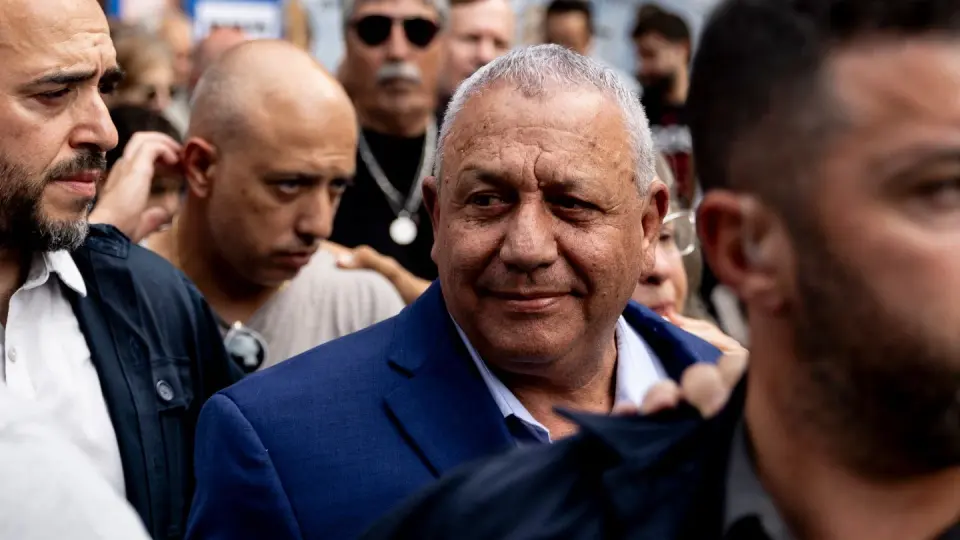
Israel’s October 27 election resulted in a political stalemate, with neither Benjamin Netanyahu nor Gadi Eisenkot securing the 61 seats needed for a majority. While the outcome is complex, cultural factors may have influenced voter sentiment. Avi Nesher’s film 'Our Loves' and the documentary 'NAZA' highlighted security failures and war conduct, potentially swaying public opinion. Additionally, actor Gal Gadot’s public endorsement of the opposition bloc and her viral election-day appearance may have mobilized voters. These cultural signals, combined with Likud’s reliance on far-right coalition partners, contributed to the gridlock that now threatens to force new elections.
Key points
- The October 27 election ended in a deadlock, with Netanyahu’s bloc holding a 54-47 seat advantage but lacking the 61 seats required for a majority, making coalition formation difficult.
- Avi Nesher’s film 'Our Loves,' released two weeks before the vote, drew 150,000 admissions in Israel. It depicted the October 7 attacks and implied criticism of the government’s security failures, resonating with voters despite its non-political framing.
- The documentary 'NAZA,' featuring IDF whistleblowers, was not released in theaters in Israel but generated significant media coverage. The government’s attempt to strip the filmmakers of citizenship backfired, reinforcing perceptions of intolerance to criticism among opposition voters.
- Gal Gadot, a national icon, flew from Los Angeles to vote for the opposition 'Change' bloc. Her Instagram post and appearance on the Israeli sketch show 'Eretz Nehederet' on election night amplified the message that domestic and international perspectives on the conflict differ.
- Likud received fewer than 25% of the vote, relying on far-right and ultra-Orthodox partners to approach a majority. The inability to form a stable coalition suggests a caretaker government or new elections by April 2027.
Background
This election follows a period of heightened tension, including settler violence against journalists in the West Bank in late October and security incidents involving left-wing leaders on election day. Previous coverage noted that Arab parties are projected to win a record 18-19 seats, positioning them as potential kingmakers in a fragmented parliament. The current deadlock mirrors historical patterns where cultural and media narratives influence political outcomes in Israel, particularly during periods of national crisis.
Why it matters
The election deadlock highlights the growing influence of cultural narratives and celebrity endorsements on Israeli politics. The inability to form a government may lead to prolonged instability, affecting regional security and international relations. The role of media and film in shaping public opinion underscores the importance of soft power in democratic processes, especially in polarized environments.
What to watch
Political leaders will attempt to form a coalition in the coming weeks. If no majority is achieved, Israel may face a caretaker government or new elections by April 2027. The outcome will depend on negotiations with far-right and ultra-Orthodox parties, as well as the potential role of Arab parties as kingmakers. Public sentiment, influenced by cultural factors, may continue to shape political dynamics.
Want the full story? Read the original reporting
Read on The Hollywood Reporter