
SNL's 'Sister' Sketch Highlights the Financial and Emotional Toll of Unpaid Female Caregiving
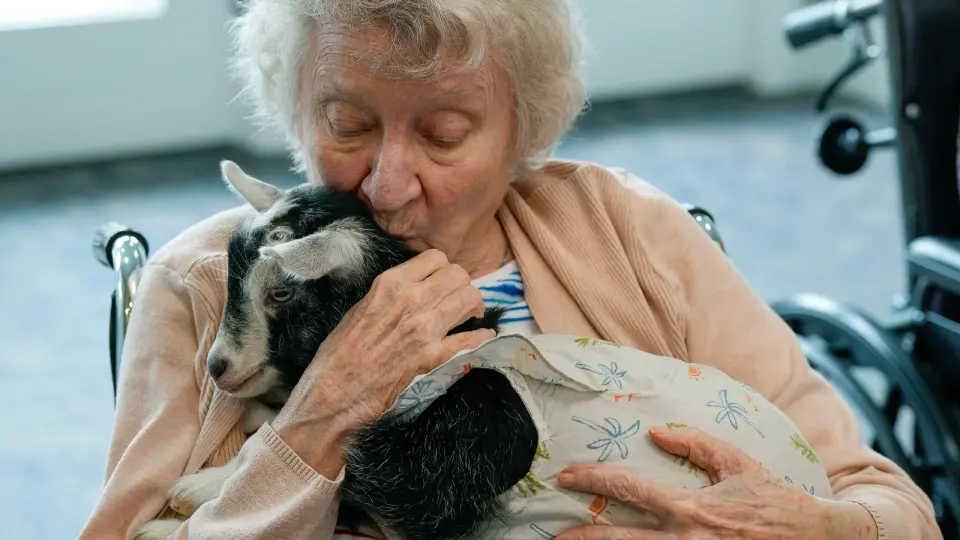
A viral Saturday Night Live sketch satirizing the expectation that daughters provide free, round-the-clock care for aging parents has sparked a national debate on the economic and emotional costs of unpaid caregiving. The segment, featuring John Mulaney, highlights how societal norms and a lack of federal support force women to sacrifice careers and finances, exposing a systemic gap in U.S. elder care infrastructure.
Key points
- The sketch, titled 'Sister,' frames caregiving as a free, 24/7 service activated by a text message, satirizing how 'internalized sexism' assigns this labor to women.
- Three in five family caregivers are women, who often face a 'sandwich' generation burden of caring for both aging parents and young children simultaneously.
- Women report higher physical and emotional tolls from caregiving than men, with 38% and 47% respectively citing negative impacts on their health and well-being.
- Unpaid caregiving reduces a mother's lifetime earnings by 15% and averages $295,000 in lost value over a lifetime, according to Department of Labor analysis.
- Experts urge families to establish legal documents, such as power of attorney and caregiver agreements, before assuming primary care roles to prevent future inheritance disputes.
Background
The sketch aired during John Mulaney's November 14 hosting stint on SNL and quickly amassed millions of views. Prior coverage noted that the segment resonated with women who identified with the unpaid labor burden, prompting discussions on the lack of federal paid leave and the exclusion of long-term care from Medicare. The viral response highlighted a growing awareness of the 'daughter tax' and the systemic gaps in U.S. elder care support.
How outlets are covering it
USA Today emphasizes the financial and legal risks for women, citing data on lost income and the potential for 'probate storms' in inheritance disputes. The New York Times focuses on the international comparison, noting that the U.S. lacks the federal safety net for older adults present in many other wealthy nations. CNN highlights the emotional labor and the 'caregiver creep' phenomenon, where daughters gradually assume more responsibilities, and points to the need for systems-level changes, such as tax credits for out-of-pocket expenses. All sources agree that the sketch accurately reflects the gendered reality of caregiving in the U.S.
Why it matters
The sketch exposes a systemic failure in U.S. elder care policy, where the absence of federal support forces women to absorb the costs and burdens of caregiving. This not only impacts individual women's financial security and health but also highlights a broader societal issue that requires policy reform and family-level planning to address the growing demand for elder care.
What to watch
Experts recommend that families engage in early, ongoing conversations about caregiving responsibilities and financial planning. Women are advised to consult elder law attorneys to secure power of attorney and caregiver agreements before assuming primary care roles. Additionally, there is a growing call for Congress to implement tax credits and other support systems to alleviate the financial burden on family caregivers.
- Why 'SNL' 'Sister' caregiving sketch hits so painfully close to home USA Today
- That ‘S.N.L.’ Sketch About Sister? It’s More Like Nonfiction. The New York Times
- Why SNL’s ‘Sister’ sketch hit a nerve about the reality of caregiving CNN
- My Brother Is The Sister In The Viral SNL Sketch Forbes
- Whether it’s ‘Sister’ or your own sister, the burden that caring for aging parents puts on women is no joke The Conversation
Want the full story? Read the original reporting
Read on USA Today