
Tokyo Court Rules Human Voice Protected Under Publicity Rights in Landmark AI Case
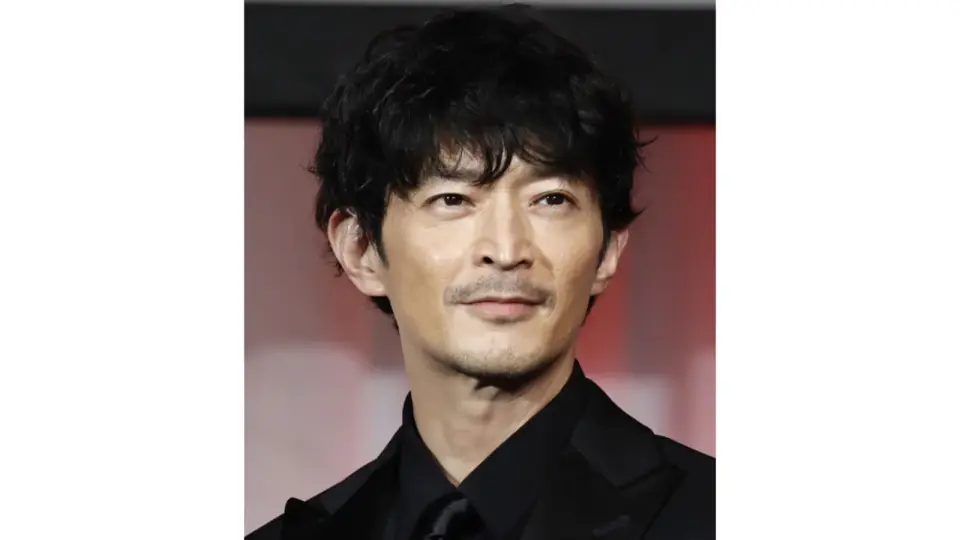
A Tokyo district court has established a legal precedent in Japan by recognizing the human voice as a protected asset under publicity rights. The ruling stems from a lawsuit filed by voice actor Kenjiro Tsuda against TikTok, concerning an anonymous account that used AI to clone his distinctive baritone for over 180 videos. While the court dismissed the specific demand for video deletion because the account had already been closed, it affirmed that unauthorized commercial use of a voice constitutes an infringement of individual rights. This decision offers significant legal protection for anime voice actors facing the rise of AI-generated voice clones on social media platforms.
Key points
- The Tokyo District Court ruled that a human voice is symbolic of individual personality and is protected under publicity rights, similar to a person's portrait.
- Voice actor Kenjiro Tsuda, known for his role in 'Jujutsu Kaisen,' sued TikTok over an account that used AI to clone his voice for urban legend videos.
- The infringing account had over 200,000 subscribers and posted more than 180 videos using Tsuda's cloned voice to generate commercial appeal.
- The court dismissed Tsuda's request for the removal of the videos because the account had already been deleted, rendering the specific claim moot.
- The ruling marks the first legal acknowledgment of voice rights in Japan, providing a framework for addressing unauthorized AI voice cloning in the entertainment industry.
Background
This ruling follows earlier concerns in the entertainment industry regarding AI voice cloning, such as Scarlett Johansson's objection to a ChatGPT voice in 2024 and deals struck by actors Michael Caine and Matthew McConaughey with voice-cloning company ElevenLabs. In Japan, the anime industry has faced growing anxiety over the unauthorized use of voice actors' trademark voices. Previous archive coverage from late September 2026 noted that while the specific lawsuit was dismissed due to the account's closure, the precedent set by the court was significant for defining voice rights in the context of AI content creation.
Why it matters
The decision provides a legal basis for individuals to protect their vocal identity from unauthorized commercial exploitation by AI. It sets a precedent that may influence future regulations and legal standards regarding AI-generated content in Japan and potentially other jurisdictions, impacting how voice actors and other public figures manage their intellectual property in the digital age.
What to watch
Legal experts and industry stakeholders will likely monitor how this precedent is applied in future cases involving AI voice cloning. The ruling may lead to increased scrutiny of AI content on social media platforms and could prompt further legislative or regulatory actions to protect voice rights in Japan.
Want the full story? Read the original reporting
Read on ABC News - Breaking News, Latest News and Videos