Tag

Voice Cloning

All articles tagged with #voice cloning

AI-Cloned Michael Caine Voices The Odyssey Audiobook Ahead of Nolan Film
entertainment2 months ago

AI-Cloned Michael Caine Voices The Odyssey Audiobook Ahead of Nolan Film

A 13-hour Odyssey audiobook uses a synthetic clone of Michael Caine’s voice—created with ElevenLabs and licensed by the actor—to narrate the epic with a full AI cast and sound design. Released for free on the ElevenReader app, the project aims to ride interest around Christopher Nolan’s film adaptation, and follows ElevenLabs’ ongoing likeness-right deals with estates of deceased actors.

Caine’s AI Odyssey: a cinematic audiobook marks a new era of voice casting
technology2 months ago

Caine’s AI Odyssey: a cinematic audiobook marks a new era of voice casting

An AI-powered Odyssey audiobook uses a digitally replicated Michael Caine voice from ElevenLabs, the company’s first cinematic multicast production with a full cast and original music; Caine’s involvement, via a licensing deal, signals a faster, more flexible approach to classics and casting, even as industry debate over AI’s impact on jobs continues.

Android Tries to Stop Scams With Real-Time Caller Verification
technology2 months ago

Android Tries to Stop Scams With Real-Time Caller Verification

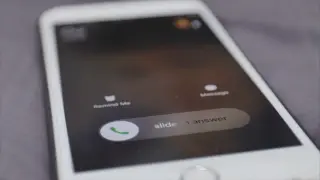
Google’s Android Dialer on Android 12+ devices now includes a real-time, silent confirmation signal over the RCS standard to verify that a caller is who they claim to be. If verification fails or the call isn’t from a known contact, the dialer flags the call, hides the contact photo, and labels it as an Unknown caller in the recent log, aiming to curb spoofing and AI voice-cloning scams. The feature is rolling out now and is designed for broad interoperability across platforms, though there’s no indication of an iOS implementation.

Bay Area mom duped by AI-cloned kidnapping scam
crime3 months ago

Bay Area mom duped by AI-cloned kidnapping scam

A Martinez-area mother was swindled out of $5,400 after scammers used artificial intelligence to mimic her daughter's voice and direct hours of urgent actions in a fake kidnapping plot; experts warn AI-based voice cloning is driving a growing wave of scams, urging verification through trusted channels, avoiding unknown numbers and using family code words, while police investigate and recovery seems unlikely.

AI voice restoration for 1 million people debuts at SXSW with ElevenLabs
technology5 months ago

AI voice restoration for 1 million people debuts at SXSW with ElevenLabs

At SXSW 2026, ElevenLabs announced the 1 Million Voices Initiative to give free AI voice restoration to people with permanent voice loss, using their voice-cloning tools in collaboration with Rebecca Gayheart Dane and disability groups; the effort includes the 11 Voices docuseries and an online intake for potential participants, aiming to help those affected by illnesses like ALS and cancer regain a voice similar to their own, while acknowledging AI concerns about misuse.

McConaughey Trademarks Image and Voice to Guard Against AI Fakes
technology7 months ago

McConaughey Trademarks Image and Voice to Guard Against AI Fakes

Oscar-winner Matthew McConaughey has eight USPTO trademark applications approved to protect his image and voice, including the catchphrase “All right, all right, all right,” in an effort to curb unauthorized AI use and ensure consent and attribution; he and his team are pursuing legal tools to deter misuse, and he has partnered with ElevenLabs for AI-generated voice work as an investor and collaborator.

Truecaller and Microsoft Launch AI Voice Cloning for Call Responses
technology2 years ago

Truecaller and Microsoft Launch AI Voice Cloning for Call Responses

Truecaller has upgraded its AI Assistant to allow users to create a digital clone of their voice for handling calls. This feature, developed in collaboration with Microsoft, uses Azure AI Speech technology and aims to enhance personalization while maintaining transparency. The rollout is starting in select countries and raises concerns about the potential misuse of voice cloning technology.

"OpenAI Unveils Risky Voice Cloning Tool Requiring Only 15 Seconds of Audio"
technology2 years ago

"OpenAI Unveils Risky Voice Cloning Tool Requiring Only 15 Seconds of Audio"

OpenAI has introduced Voice Engine, a tool capable of replicating a person's voice based on a 15-second audio sample, but has decided against releasing it to the public due to concerns about potential misuse, particularly in the context of upcoming elections. The company is engaging with various stakeholders to ensure responsible deployment of the technology and is considering measures to prevent the creation of voices too similar to prominent figures. With the misuse of AI becoming a major concern in election contexts, OpenAI is taking a cautious approach and plans to make an informed decision about deploying the technology at scale based on testing and public debate.

"OpenAI's Controversial Voice-Cloning Tech Raises Safety Concerns"
technology2 years ago

"OpenAI's Controversial Voice-Cloning Tech Raises Safety Concerns"

OpenAI has developed Voice Engine, a text-to-speech AI model that can create synthetic voices based on a 15-second segment of recorded audio, but the company has decided not to widely release the technology due to ethical implications. While the technology has potential benefits, such as providing reading assistance and supporting non-verbal individuals, it also raises concerns about potential misuse, including phone scams and security risks. OpenAI is working with select partners and has implemented rules to mitigate misuse, but is urging for societal adaptation and responsible deployment of synthetic voices.

"OpenAI's Controversial Voice-Cloning Tool Sparks Debate on AI Regulation"
technology2 years ago

"OpenAI's Controversial Voice-Cloning Tool Sparks Debate on AI Regulation"

OpenAI has unveiled a voice-cloning tool called "Voice Engine" but plans to keep it tightly controlled until safeguards are in place to prevent audio fakes. The tool can duplicate someone's speech based on a 15-second audio sample, raising concerns about potential misuse, especially in an election year. OpenAI is working with partners to ensure explicit and informed consent is obtained before duplicating voices and to implement safety measures, including watermarking and proactive monitoring, to trace the origin of any audio generated by Voice Engine.

"OpenAI's Controversial Voice Cloning Technology Sparks Safety Concerns"
technology2 years ago

"OpenAI's Controversial Voice Cloning Technology Sparks Safety Concerns"

OpenAI has unveiled its new Voice Engine technology that can clone a person's voice with just 15 seconds of recording, but has decided not to release it publicly due to safety concerns related to potential misuse, especially in an election year. The company plans to preview the technology with early testers who have agreed not to impersonate a person without their consent and to disclose that the voices are AI-generated. This move comes amid ongoing investigations into AI-generated robocalls mimicking public figures. Despite the decision to hold back the release, OpenAI's trademark application suggests its intention to enter the speech recognition and digital voice assistant market, potentially competing with products like Amazon's Alexa.

OpenAI's Cautionary Approach: Unveiling Voice-Cloning Tech While Holding Back Wide Release
technology2 years ago

OpenAI's Cautionary Approach: Unveiling Voice-Cloning Tech While Holding Back Wide Release

OpenAI has developed Voice Engine, a text-to-speech AI model that can create synthetic voices based on a 15-second segment of recorded audio, but the company has decided to hold back its wide release due to concerns about potential misuse. While the technology has potential benefits such as providing reading assistance and supporting non-verbal individuals, the ability to clone voices raises ethical and security concerns, including potential misuse in phone scams and security breaches. Despite the decision to delay wide release, the implications of voice-cloning technology continue to prompt discussions about AI ethics and societal resilience.