
AI Detection Tools Reshape Publishing Standards and Writer Trust
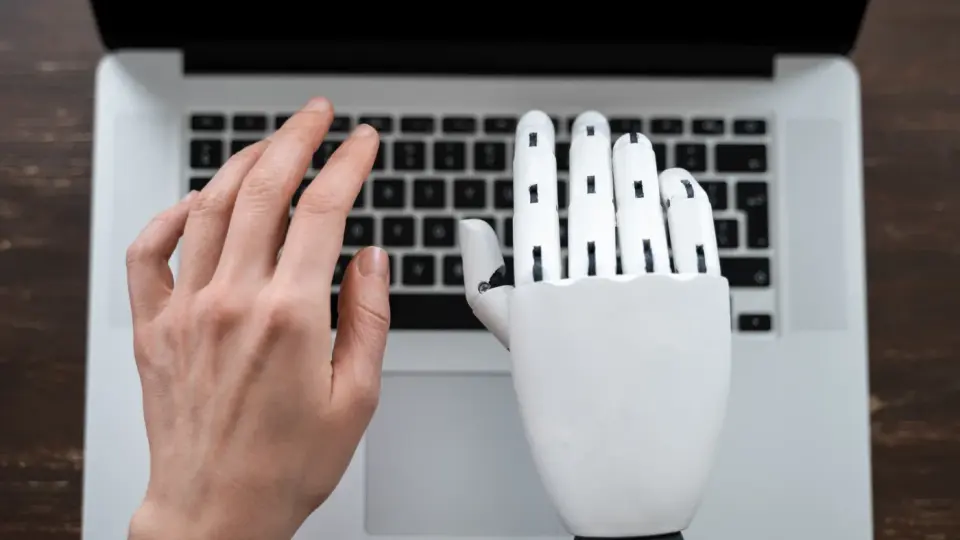
AI detection tools like Pangram are increasingly used by publishers and agents to screen manuscripts, causing a surge in false accusations against human writers. While these tools help manage the flood of AI-generated submissions, they often flag human writing as machine-generated, leading to lost contracts and reputational damage. The industry is shifting toward pre-publication screening to avoid public scandals, but writers face pressure to alter their natural style to pass these tests. Critics argue this creates a 'witch hunt' environment, while supporters claim it is necessary for protecting the integrity of the literary ecosystem.
Key points
- Ghostwriter Sally McGraw lost a book proposal opportunity after her human-written sample was flagged by AI detectors, despite the client citing other reasons for rejection.
- Pangram, a leading AI detection tool, claims near-perfect accuracy but acknowledges false positives, particularly with short excerpts or previously published text.
- Publishers and agents are now routinely using AI detectors to screen manuscripts before publication to avoid public scandals, shifting the burden of proof onto authors.
- Writers are altering their natural writing style, avoiding em dashes and specific sentence structures, to avoid being flagged as AI-generated.
- The Authors Guild describes the current environment as reminiscent of 'witch hunts,' where false positives can destroy reputations and publishing contracts.
- Jane Friedman predicts AI detection scandals will end as the industry normalizes pre-publication screening, but writers remain concerned about false positives affecting their careers.
Background
The rise of AI detection tools in publishing has been a growing concern since 2023, with tools like Pangram gaining prominence in 2026. Earlier coverage highlighted the Dartmouth Provost's writings being flagged as 96% AI-generated, underscoring the sensitivity of these tools. The current situation reflects a broader industry shift toward using AI detectors to manage the influx of AI-generated content, which has doubled submission volumes for some publications since 2023.
How outlets are covering it
NPR emphasizes the human impact of false AI detection, highlighting how writers like Sally McGraw are forced to alter their writing style and face reputational damage. Jane Friedman argues that AI detection scandals will end as the industry normalizes pre-publication screening, but acknowledges the risk of false positives. The Toledo Blade focuses on the broader cultural and racial implications of AI accusations, noting that many accusations target non-white writers and are driven by conservative online discourse. WPXI highlights the market impact of AI-generated books, which are outselling human authors in some cases, raising concerns about the quality and authenticity of content. These perspectives highlight the tension between the need for AI detection to manage content volume and the risk of false accusations damaging writers' careers.
Why it matters
The use of AI detection tools in publishing is reshaping the industry by shifting the burden of proof onto authors and altering writing styles. False positives can lead to lost contracts and reputational damage, while the normalization of AI screening may create a more restrictive and less trusting environment for writers. This trend could impact the diversity and authenticity of published content, as writers feel pressured to conform to AI-friendly writing styles.
What to watch
The industry is likely to continue using AI detection tools for pre-publication screening, with publishers and agents becoming more cautious about AI-generated content. Writers may further adapt their writing styles to avoid being flagged, while legal and regulatory frameworks may evolve to address the challenges of AI-generated content. The debate over the accuracy and fairness of AI detection tools will likely continue, with calls for more transparent and reliable methods to distinguish between human and AI writing.
- Your writing was flagged as AI. What does that actually mean? NPR
- How AI Detectors Like Pangram Are Changing Human Writing Bloomberg
- Why the AI Detection Scandals Will End—Probably Quite Soon Jane Friedman
- The anti-AI writing police are everywhere. What are they looking for? Toledo Blade
- AI-written books are outselling human authors in some cases WPXI
Want the full story? Read the original reporting
Read on NPR