
Parents Bypass School Photo Fees Using AI, Sparking Privacy and Copyright Debates
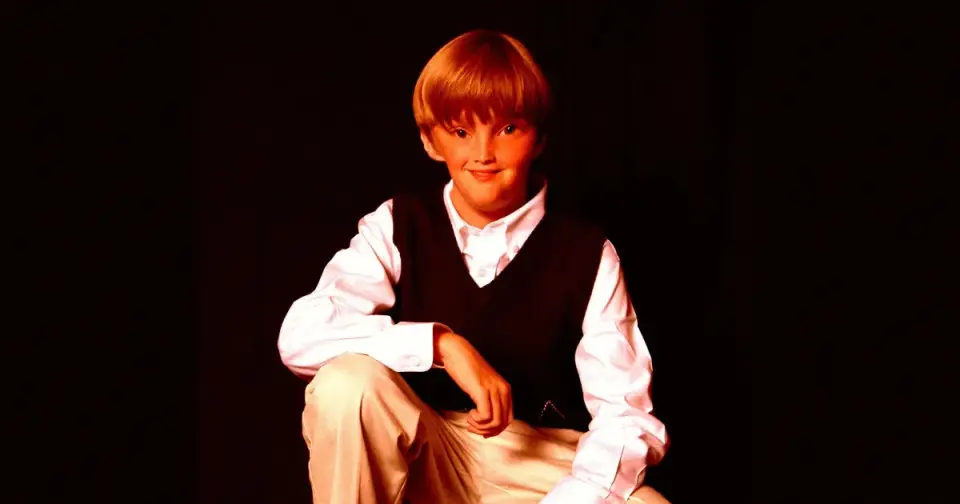
Parents in the US, UK, and Finland are using AI tools to generate or enhance school portraits, bypassing traditional photographers to save money. While this saves families $25 to $60 per child, it raises concerns about data privacy, copyright infringement, and the livelihoods of small photography businesses.
Key points
- In the US, parents use ChatGPT to generate school-style portraits from phone photos, saving the typical $25-$60 fee for professional packages.
- In the UK and Finland, parents are using AI to upscale low-resolution previews and remove watermarks from sample images provided by photographers.
- Finnish photographer associations report that this practice prevents small business owners from earning income, as they are paid only when families purchase the final prints.
- Legal experts warn that uploading minors' images to corporate AI models creates permanent privacy risks, as the data cannot be easily retrieved or deleted.
- Copyright laws in Finland protect photographs for at least 50 years, making the unauthorized use of preview images a legal violation.
Background
This trend follows a broader 2026 debate over AI's role in education and media, including recent bans on AI in classrooms and controversies over AI-generated imagery in other contexts. The current issue highlights a specific friction between consumer cost-saving measures and the economic sustainability of traditional service providers.
How outlets are covering it
Futurism emphasizes the ethical and privacy risks of uploading children's likenesses to corporate AI models, suggesting that the potential for data misuse outweighs the financial savings. The Guardian frames the issue as a cultural conflict, noting that while AI hacks are widespread, the school photo serves as a unique historical record of youth that AI-generated images cannot authentically replicate. Yle focuses on the economic and legal impact, highlighting that photographers are small business owners who rely on voluntary purchases, and that AI tools now allow for higher-quality unauthorized copies than previous software methods.
Why it matters
This story illustrates the growing tension between consumer convenience and the rights of creators and subjects in the AI era. It highlights how generative AI is disrupting traditional service models, forcing small businesses to adapt their protection strategies while raising significant questions about the long-term privacy implications of training AI models on personal data, particularly that of minors.
What to watch
Photography associations are developing new methods to protect images and track unauthorized usage. Legal frameworks regarding AI-generated content and copyright may face further scrutiny as these practices become more common. Parents may face increased pressure to choose between cost-saving AI hacks and the privacy and ethical implications of using them.
- Parents Are AI-Generating Pictures of Their Kids Instead of Paying for School Photos Futurism
- Is this the end of the British school photo? The Guardian
- Parents and newlyweds use AI to scrub watermarks from professional photos The Times
- Parents in Finland turn to AI for free school pictures Yle
- AI Portrait Tools Now Let Parents Skip School Photo Fees Softonic
Want the full story? Read the original reporting
Read on Futurism