
Rian Johnson’s Chromagraph App Brings Movie Color Science to iPhone Photography
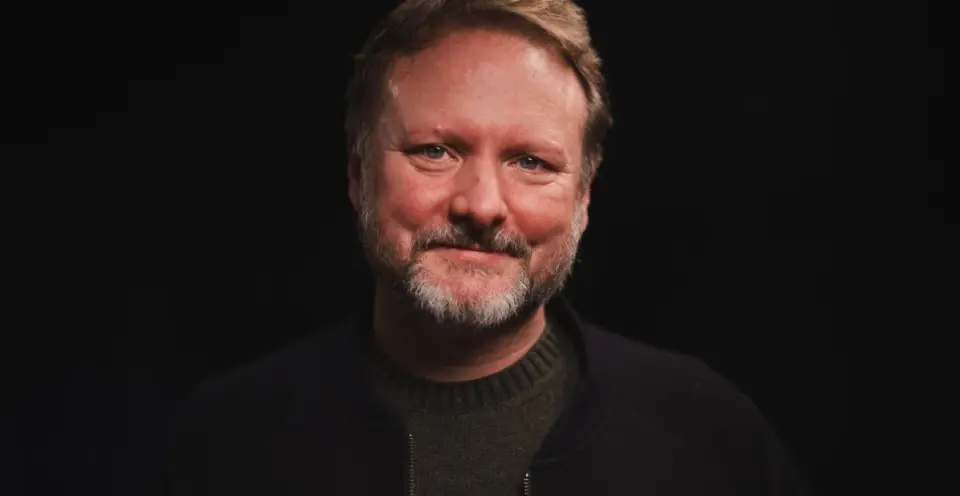
Director Rian Johnson and cinematographer Steve Yedlin have released Chromagraph Camera, a $13 iOS application that applies the color grading techniques used in Johnson’s films to smartphone photography. The app bypasses standard computational processing to work with raw image data, offering users a distinct, film-like aesthetic. It quickly became the top paid download in the Photo and Video category after Johnson promoted it on social media in late October.
Key points
- Chromagraph Camera costs $12.99 and is currently exclusive to iOS devices, with no plans for Android or video support.
- The app processes raw image data using the same color science Yedlin developed for films like 'Knives Out' and 'Star Wars: The Last Jedi.'
- Johnson created the app because he found standard smartphone photos too clinical and wanted a convenient alternative to carrying heavy film cameras on set.
- The application allows users to import existing raw photos to apply the new processing, offering controls for tone, color, saturation, and texture.
- Despite its success, the app is still in early stages with a user interface that places some settings in unexpected locations.
Background
Our archive indicates that Chromagraph Camera launched in late October 2026, developed with color science coder Eric Cameron. It immediately topped the paid app charts, prioritizing aesthetic beauty over photometric accuracy. This release follows a trend where smartphone makers like Apple and Google have added texture and film grain settings to their native camera apps, though critics argue these lack the depth of raw processing.
Why it matters
The launch of Chromagraph Camera highlights a growing consumer desire for more artistic control over smartphone photography, moving beyond the standardized, high-clarity look of modern computational photography. By bringing professional film color science to a mobile platform, Johnson and Yedlin are bridging the gap between casual mobile shooting and high-end cinematic aesthetics, potentially influencing how future smartphone camera features are designed.
What to watch
The developers may refine the user interface and expand the app's capabilities, though no Android version or video support is currently planned. Users can continue to experiment with importing existing raw images to apply the new processing pipeline, while Johnson continues his personal experiments with analog wet plate photography.
Want the full story? Read the original reporting
Read on The Verge