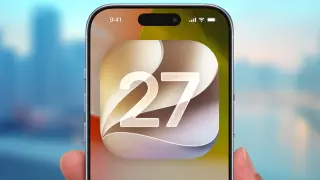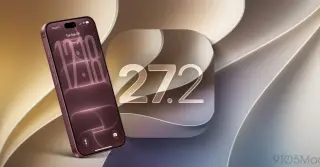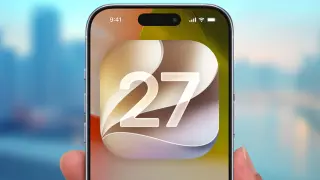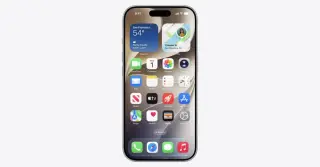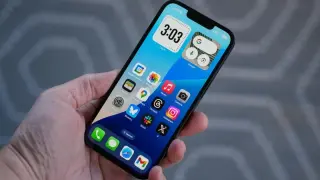
Apple has released the first iOS 26.6 developer beta, a light early update arriving ahead of WWDC where iOS 27 is expected; the release suggests 26.6 will be feature-light as Apple shifts focus to iOS 27, with beta versions for macOS 26.6 and iPadOS 26.6 also in progress.
The article compares rumored specs for Apple’s iPhone 18 Pro Max and Google’s Pixel 11 Pro XL. Apple is expected to send an evolutionary upgrade with a 2‑nm A20 Pro chip, improved camera with variable aperture, a larger battery, and storage up to 2TB, while preserving a familiar design. The Pixel 11 Pro XL is teased to use a 2‑nm Tensor G6, a 6.8‑inch 120Hz OLED display with strong brightness, a back‑mounted light‑up LED bar, and a triple camera system (50 MP main, 48 MP ultrawide, 48 MP telephoto) plus a 42 MP front camera, with substantial storage options and possibly 45W wired charging. Both are expected to keep aluminum bodies with similar footprints and about 12GB of RAM, but the iPhone is framed as the potential performance leader while Google highlights design and camera features that could narrow the gap.
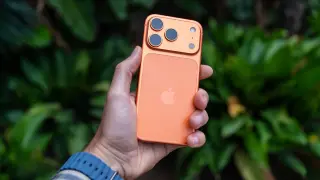
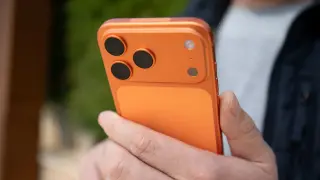
Leaked MagSafe cases and a hands-on video reveal the iPhone 18 Pro and Pro Max color lineup for 2026, headlined by a Deep wine-like Dark Cherry alongside Light Blue and Dark Gray, with Silver reportedly missing; the Dark Cherry color is expected to replace the iPhone 17 Pro’s Cosmic Orange. Additional leaks hint at a smaller Dynamic Island cutout and thicker bodies, meaning new cases may not fit older models. Apple’s iPhone 18 Pro launch is anticipated around September 2026.
Rumors say Apple will launch the iPhone Fold Ultra in late 2026 with a crease-free 7.8-inch inner OLED display and a 5.5-inch outer screen, powered by an A20 Pro chip on a 2nm process, 12 GB RAM, a titanium-aluminum chassis, and a dual-cell 5,400 mAh battery. The hinge reportedly draws on Oppo’s liquid metal tech to reduce creases, and Apple may extend foldable tech across its ecosystem (foldable iPad, hybrid devices), challenging Samsung and reshaping the foldable market.
Apple is rumored to unveil at least 15 new products later this year, including a foldable iPhone Ultra, iPhone 18 Pro/Pro Max, iOS 27 tailored for foldables, a redesigned MacBook Ultra with OLED, upgraded Macs (Mac Studio, Mac mini, iMac) with new M-series chips, a new HomePod/Apple TV/Home Hub lineup with enhanced Siri and Wi-Fi 7, AirPods Ultra, and updated iPad models; some releases may be delayed due to RAM chip shortages, with WWDC 2026 as a key milestone.
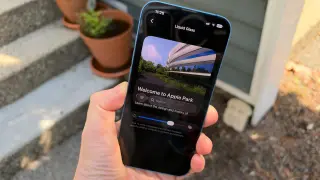
Google revealed its first consumer AI smart glasses at I/O 2026, powered by Gemini AI on Android XR with an audio-first design and cross‑platform iPhone support, targeting a fall 2026 launch; partners include Warby Parker, Gentle Monster, and Samsung, with Gucci joining later. The glasses emphasize hands-free AI tasks (navigation, translation, messaging, photo/video editing) without an in‑lens display, and sit to compete with Meta’s Ray‑Ban while hinting at future display glasses and broader competition from Apple in 2027.
Apple is reportedly testing iOS 26.5.1 internally, a minor update likely to include bug fixes and security improvements. After iOS 26.5 released recently, the update could ship soon—potentially as early as next week, though Memorial Day may affect timing. It’s not expected to add major features, but could improve compatibility with any new hardware announced at WWDC if needed.
Rumors suggest the iPhone 18 Pro will include a C2 modem enabling 5G satellite connectivity (5G NR-NTN), allowing automatic fallback to satellite when cellular coverage is weak and potentially turning a niche emergency feature into everyday utility.
Meta is rolling out two iPhone apps this month, headlined by Forum, a standalone Facebook Groups app that offers a dedicated space for group discussions with admin tools and cross‑sync to Facebook, alongside Instagram’s new Instants app.
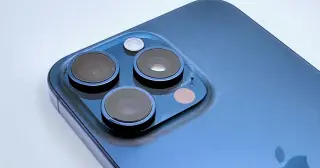
Apple is expected to launch the iPhone 18 Pro Max this fall, boasting a major hardware leap over the iPhone 15 Pro Max. Rumored specs include a 2 nm A20 Pro chip with 12 GB RAM, up to 2 TB storage, a 6.9-inch LTPO OLED display brighter than 3,000 nits, and a smaller Dynamic Island. The camera system remains a 48 MP triple setup with potential variable aperture and a 5X telephoto, while a larger 5,200 mAh battery and faster wired charging (up to 40 W) are anticipated. iOS 27 would ship out of the box, and design is expected to stay largely aluminum with a new color option like Dark Cherry. If you own a 15 Pro Max, upgrade decision hinges on how much you value the latest tech and performance gains.
Apple is reportedly moving away from aluminum on the iPhone 17 Pro due to denting, weighing a return to titanium with improved heat management or a costly liquid-metal option, with titanium seen as the most likely path if a lighter, better-thermally-conductive version can be perfected.
Over the weekend, Tim Cook spoke about purpose and serving humanity; OpenAI’s relationship with Apple soured, with signals of potential breach-of-contract or a suit; Apple also struck a deal with Intel for future chips, while Apple and Google announced end-to-end encrypted RCS messaging in iOS 26.5 to improve SMS security.
The piece argues that AI is a broad enabling technology, not a single product, and Apple should center its strategy on shipping compelling experiences rather than chasing a hype-driven killer AI device, with phones remaining the main interface as AI becomes pervasive across devices.
Apple will stagger the iPhone 18 rollout, delaying the base model and launching Pro versions first in late 2026 with the base models arriving in spring 2027. The move aims to extend iPhone 17’s sales window, ease production pressures, and bolster competitiveness in price-sensitive markets like China, while pushing incremental upgrades and shared components with the iPhone 18e. In effect, Apple seeks higher margins and a longer product lifecycle, benefiting consumers through potential cost savings, steadier quality, and a smaller environmental footprint as the company focuses on manufacturing efficiency and clear tier differentiation.
Lifehacker rounds up 10 Apple Shortcuts to turbocharge iPhone use, showing how to extend the Action Button with multi-shortcut setups, pull News Report AI into Notes via RSS, save X video clips, use MusicBot for smart playlists, log your current location, get tailored low‑battery alerts (even via ChatGPT), add discovered songs to Apple Music with Shazam, personalize post‑alarm routines, receive battery warnings when leaving home, and run specific actions in CarPlay, plus tips for building your own automations using triggers and actions in Shortcuts.