
Lanterns Creators Defend Hal Jordan's Shocking Death as a Narrative Choice
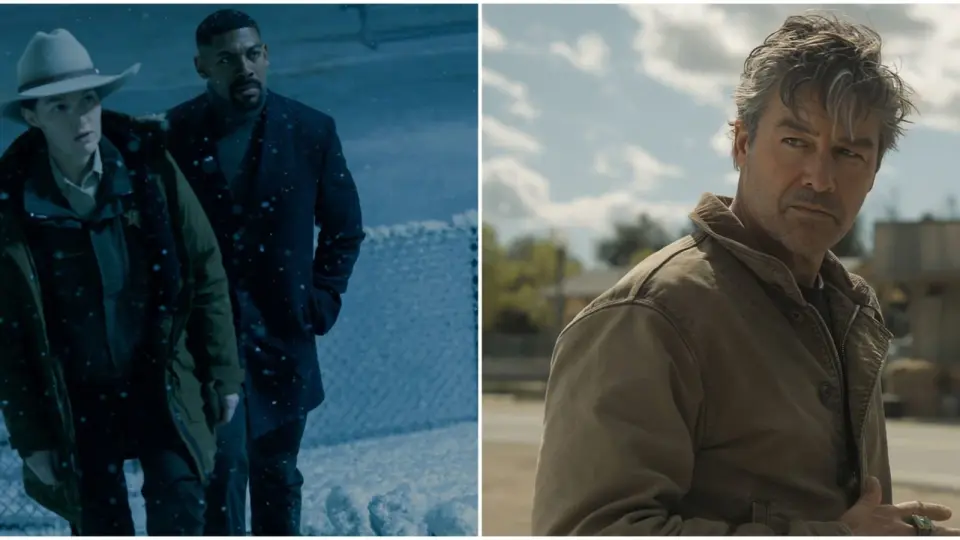
HBO's Lanterns premiere ended with the death of Hal Jordan, a twist that sparked fan outrage but was defended by creators as a necessary escalation of stakes. Showrunner Chris Mundy and co-creator Damon Lindelof explained that killing the veteran Green Lantern avoided the 'fridging' trope and tied the mystery directly to the DCU. Kyle Chandler and Aaron Pierre discussed the emotional weight of the non-linear structure, while Mundy emphasized the show's grounded, character-driven approach to the superhero genre.
Key points
- The series premiere concluded with Hal Jordan found dead in a Nebraska stadium, his ring missing, serving as the central mystery for the season.
- Lindelof and Mundy rejected the idea of killing Sheriff Kerry to avoid the 'fridging' trope, choosing Hal's death to maximize emotional impact and DCU relevance.
- Kyle Chandler described the block-shooting process as requiring 'faith and trust' in the storyline, noting the non-linear structure allowed for '3D chess' storytelling.
- Aaron Pierre expressed the 'enormity' of being the first live-action John Stewart, balancing the character's calm exterior with internal turmoil.
- Mundy highlighted the show's focus on aging and mentorship, contrasting the grounded Nebraska setting with the cosmic potential of the Green Lantern ring.
Background
Lanterns is the second live-action DCU series after Peacemaker, created by Chris Mundy, Damon Lindelof, and Tom King. It follows Hal Jordan and John Stewart as they investigate a murder in Rushville, Nebraska, across multiple timelines. The series follows a period of mixed reception for superhero media, with earlier archive coverage noting fan fury over the Hal Jordan death and speculation about broader DCU implications, including potential connections to Guy Gardner and future projects like Man of Tomorrow.
How outlets are covering it
Bleeding Cool and The Hollywood Reporter focus on the creative decision-making behind Hal Jordan's death, highlighting the rejection of the 'fridging' trope and the non-linear shooting schedule. The Ringer emphasizes the show's grounded approach to a traditionally cosmic character, contrasting it with the failed 2011 Green Lantern film and the success of The Penguin. The Los Angeles Times highlights the personal dynamics between Chandler and Pierre, noting their off-screen friendship and Chandler's comfort with playing a 'grouchy' character. All sources agree on the significance of the premiere's twist, but differ in emphasis: Bleeding Cool and THR focus on the structural and narrative choices, The Ringer on the genre context, and the LA Times on the actor performances and character relationships.
Why it matters
The decision to kill Hal Jordan in the first episode sets a high-stakes tone for the DCU, signaling a willingness to take risks with beloved characters. It also highlights the ongoing debate about how to adapt superhero stories for television, balancing cosmic elements with grounded, character-driven narratives. The show's success or failure will likely influence future DCU projects and the broader landscape of superhero media.
What to watch
Episode 2 of Lanterns airs Sunday, continuing the investigation into Hal Jordan's death and the mystery in Rushville, Nebraska. The series will explore the 2016 and 2026 timelines, revealing more about the relationship between Hal and John Stewart and the wider DCU implications of the murder. Fans will be watching for how the show handles the fallout from the premiere's twist and whether it can sustain the momentum into the season finale.
- Lanterns: Lindelof & Mundy on Hal Jordan Decision, Avoiding "Fridging" Bleeding Cool News
- ‘Lanterns’ Stars Kyle Chandler and Aaron Pierre Talk the Pilot Shocker, Early Fears and Season 2 Chances The Hollywood Reporter
- Can HBO’s Grounded Green Lantern Take Flight? The Ringer
- ‘Lanterns’ Season 1 Premiere Recap: No Evil Shall Escape The New York Times
- Kyle Chandler loves the ending of the 'Lanterns' premiere. He also loves a grouchy character Los Angeles Times
Want the full story? Read the original reporting
Read on Bleeding Cool News