
Iran Flogs Singer Ahmadi and Four Colleagues for 2024 Hijab-Free Concert
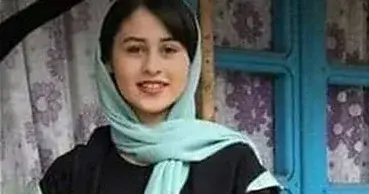
Iranian singer Parastoo Ahmadi and four members of her production team were flogged 74 times each in Qom on November 23, 2026, for a 2024 online performance where she appeared without the mandatory hijab. The punishment, which also includes two-year bans on artistic activity and foreign travel, follows a conviction for 'offending public decency.' While human rights groups condemn the flogging as torture, Iranian authorities maintain the actions uphold public decency laws. The case has intensified international outrage and domestic solidarity, with many Iranian women viewing Ahmadi as a symbol of resistance against the regime's suppression of women's freedoms.
Key points
- Parastoo Ahmadi, 29, and four colleagues (Mohsen Lashkari, Soheil Faghih-Nasiri, Amin Taheri, and Amir-Ali Pirnia) received 74 lashes each at the Qom Prosecutor’s Office on November 23, 2026.
- The sentences were carried out after the Qom Provincial Court of Appeal upheld their conviction for 'offending public decency' related to a December 2024 video of a concert at the Deir-e Gachin Caravanserai.
- In addition to flogging, the five individuals were banned from artistic and musical activities and foreign travel for two years.
- The case stems from Ahmadi’s performance without the mandatory hijab alongside male musicians, which violated Iranian dress codes and restrictions on women singing in public.
- Human rights organizations, including Amnesty International and Iran Human Rights, condemned the flogging as cruel, inhuman, and degrading, while Iranian authorities defended it as upholding public decency laws.
Background
The flogging of Ahmadi occurs against the backdrop of the 2022 'Woman, Life, Freedom' protests, which erupted after the death of Mahsa Amini in police custody for allegedly violating hijab rules. Since then, many Iranian women have defied compulsory veiling, though enforcement remains selective and severe in conservative areas like Qom. The case also highlights ongoing tensions over women’s rights and artistic expression in Iran, with previous restrictions on Ahmadi for performing revolutionary songs and Mazandarani folk music. The broader context includes a rise in femicides and honor killings across Iran, with Hengaw documenting at least 159 femicides in the past year, 23 of which were identified as honor killings.
How outlets are covering it
CNN and The New York Times focus on the legal and human rights aspects of the flogging, emphasizing the severity of the punishment and the international condemnation. CBS News provides a broader context, linking the flogging to a pattern of violence against women in Iran, including honor killings and femicides, and highlights the legal loopholes that allow perpetrators to escape harsher punishments. Hengaw, a Kurdish human rights organization, provides detailed information on the case and the individuals involved, emphasizing the arbitrary nature of the prosecution and the broader suppression of women’s rights. The sources generally agree on the facts of the flogging but differ in their emphasis: CNN and The New York Times focus on the immediate legal and human rights implications, while CBS News and Hengaw provide a broader social and legal context.
Why it matters
The flogging of Parastoo Ahmadi and her colleagues underscores the ongoing tensions between the Iranian government and its citizens, particularly women, over issues of dress, artistic expression, and personal freedom. It highlights the severity of the consequences for defying the mandatory hijab and the broader suppression of women’s rights in Iran. The case has drawn international attention and condemnation, with figures like U.S. Ambassador Mike Waltz calling it 'pure medieval barbarism.' It also reflects the fragile nature of the freedoms Iranian women have gained since the 2022 protests, as the state continues to enforce strict controls over women’s lives and expressions.
What to watch
The case is likely to continue to draw international attention and condemnation, with human rights organizations and Western governments calling for an end to the flogging and other forms of corporal punishment. The Iranian government may face increased pressure to reform its laws and practices related to women’s rights and artistic expression. The case may also inspire further resistance and defiance among Iranian women, who may continue to challenge the mandatory hijab and other restrictions on their freedoms. The broader context of femicides and honor killings in Iran may also lead to increased scrutiny of the legal system and its treatment of women.
- Singer Parastoo Ahmadi's flogging is far from a unique case as women in Iran face targeted violence CBS News
- Iran flogs female singer and four members of concert team over her performance without hijab CNN
- Woman in Iran Lashed 74 Times for Singing With No Hijab The New York Times
- Parastoo Ahmadi and four other artists flogged over concert | Hengaw Hengaw
- Iranian authorities flog singer who performed without hijab, lawyers say BBC
Want the full story? Read the original reporting
Read on CBS News