
Iranian singer Parastoo Ahmadi flogged 74 times for 2024 hijab-free concert, becoming a symbol of resistance
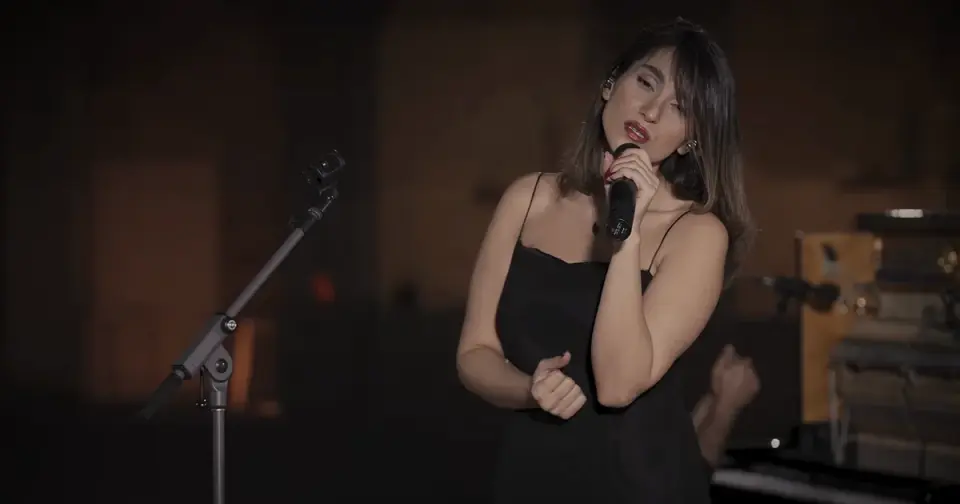
Iranian singer Parastoo Ahmadi and four members of her production team were flogged 74 times each in Qom on November 23, 2026, for a December 2024 online concert where she appeared without the mandatory hijab. The punishment, which also includes two-year bans on artistic activity and foreign travel, follows a June 2026 conviction for 'offending public decency.' While human rights groups condemn the flogging as torture, Iranian authorities maintain it upholds mandatory dress codes and public decency laws. The case has intensified international outrage and domestic solidarity, with many Iranian women viewing Ahmadi as a symbol of resistance against the regime's suppression of women's freedoms.
Key points
- Parastoo Ahmadi, 29, and four male colleagues (Mohsen Lashkari, Soheil Faghih-Nasiri, Amin Taheri, and Amir-Ali Pirnia) received 74 lashes each at the Criminal Sentence Enforcement Office in Qom on November 23, 2026.
- The punishment stems from a December 2024 livestreamed concert at the Dayr-Gachin Caravanserai, where Ahmadi performed without a hijab and in a sleeveless dress, violating Iran's mandatory veiling and bans on women's public singing.
- A Qom criminal court convicted Ahmadi and eight others in June 2026 for 'offending public decency,' with an appeals court upholding the sentence in September 2026.
- In addition to flogging, the five individuals sentenced to corporal punishment face two-year bans on artistic activities and foreign travel.
- Human rights organizations, including Amnesty International and Iran Human Rights, condemned the flogging as cruel, inhuman, and degrading, while Iranian authorities defended it as upholding public decency laws.
- The case has sparked widespread domestic solidarity, with Iranian women describing Ahmadi as a 'symbol of resistance' against the regime's suppression of women's freedoms and artistic expression.
Background
This case follows the 2022 'Woman, Life, Freedom' protests triggered by the death of Mahsa Amini, a 22-year-old Kurdish woman who died in police custody after being arrested for allegedly wearing her hijab improperly. Since then, many Iranian women have defied the hijab mandate, leading to periodic arrests and crackdowns. The current flogging occurs amid broader repression, including the suppression of mass protests in January 2026 and increased use of the death penalty against dissidents following Iran's conflict with the US and Israel in late February 2026.
How outlets are covering it
CBS News emphasizes the domestic impact, highlighting interviews with Iranian women who view Ahmadi's flogging as a 'symbol of resistance' and a deeper psychological identification with her defiance. CNN focuses on the legal and human rights aspects, citing Iran Human Rights and Amnesty International to condemn the flogging as torture and noting the broader crackdown on female performers, including singer Hiva Seyfizadeh. BBC provides details on the legal proceedings, including the failed attempts by lawyers to postpone or reduce the sentence, and contextualizes the case within the 2022 protests and recent executions of protesters. The New York Times highlights the international dimension, noting that the war with the US and Israel has reduced the political cost of repression for Iran, and quotes Iran Human Rights director Mahmood Amiry-Moghaddam on the regime's fear of young Iranians demanding fundamental change. All sources agree on the core facts of the flogging and the legal proceedings but differ in emphasis: CBS on domestic solidarity, CNN on human rights violations, BBC on legal details, and NYT on geopolitical context.
Why it matters
The flogging of Parastoo Ahmadi underscores the Iranian regime's continued use of corporal punishment to enforce mandatory dress codes and suppress artistic expression, particularly for women. It highlights the regime's determination to deter dissent, even as many women openly defy the hijab mandate. The case also illustrates the broader crackdown on cultural figures and dissidents, intensified by the geopolitical context of Iran's conflict with the US and Israel, which has reduced international scrutiny of human rights abuses. For Iranian women, Ahmadi's punishment has become a symbol of resistance, reinforcing the message that the regime fears those who courageously challenge its discriminatory laws.
What to watch
Human rights organizations are expected to continue pressuring the international community to demand an end to corporal punishment and the release of detained cultural figures in Iran. Iranian authorities may face increased international condemnation, but the geopolitical context of the war with the US and Israel may limit the impact of such pressure. Domestically, the case may further embolden women to defy the hijab mandate, while the regime may intensify its crackdown on dissent to deter others from following Ahmadi's example. The fate of the remaining defendants convicted in the case, and whether they will also be flogged, remains to be seen.
- Parastoo Ahmadi, Iranian singer lashed for "outraging public decency," becomes "a symbol of resistance" CBS News
- Iran carries out flogging of singer and her team, Iranian website says Reuters
- Iran flogs female singer and four members of concert team over her performance without hijab CNN
- Iranian authorities flog singer who performed without hijab, lawyers say BBC
- Iranian Singer Receives 74 Lashes for Performing With No Hijab The New York Times
Want the full story? Read the original reporting
Read on CBS News