
Scotland confirms third bluetongue case as midge-borne outbreak spreads
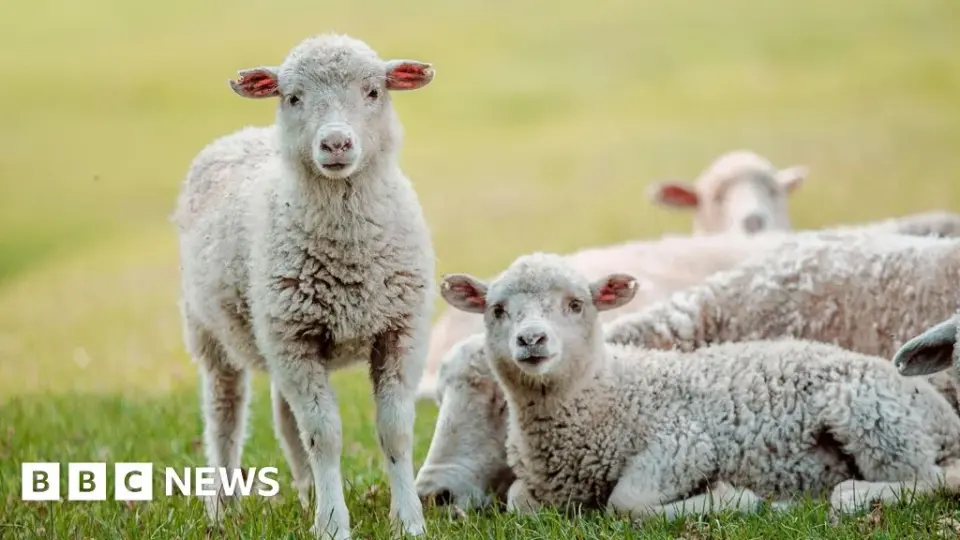
Scotland has confirmed its first-ever cases of bluetongue virus, with three infected animals identified across two farms in Dumfries and Galloway. All affected livestock have been euthanized, and the farms are under strict movement restrictions. Officials attribute the outbreak to infected midges migrating from affected areas in Northern Ireland, the Republic of Ireland, the Isle of Man, or northern England. While the virus does not affect human food safety, it poses severe risks to sheep and cattle, causing high mortality rates and fertility issues. Authorities are urging immediate vaccination, though supply constraints remain a challenge for UK farmers.
Key points
- Three confirmed cases of bluetongue serotype 3 (BTV3) have been detected in Scotland, marking the first occurrence in the country.
- The infected animals, located at Kirkmabreck Farm and a neighboring property in Dumfries and Galloway, have all been euthanized.
- Both affected farms are currently under movement restrictions to prevent further spread of the disease.
- Scotland’s chief veterinary officer, Sheila Voas, stated that the virus likely arrived via midges from outbreaks in Northern Ireland, the Republic of Ireland, the Isle of Man, or northern England.
- The UK has recorded 353 cases of BTV3 in the 2026/27 season, with the majority concentrated in the south-west of England.
- Vaccination is recommended as the primary defense, but access to BTV-3 vaccines is currently limited, with some practices facing waiting lists.
Background
This development follows a significant rise in bluetongue cases across the UK, particularly in England and Wales, where hot and humid weather has created ideal conditions for midge populations. Previous archive coverage of insect-borne diseases, such as West Nile virus, highlights the broader trend of vector-borne threats in the region. The current outbreak is part of a wider 2026/27 season that has seen increased clinical severity and mortality rates in affected animals compared to previous years.
How outlets are covering it
BBC reports that the two new cases in Scotland were 'not particularly surprising' given the likelihood of midge migration from affected areas, emphasizing the inevitability of spread. In contrast, the British Veterinary Association (BVA) highlights the severe clinical signs and higher mortality rates observed in this season, urging vets to prioritize vaccination discussions despite supply challenges. Farmers Guardian notes that the Bultavo-3 vaccine, a key defense against BTV3, is expected to reach UK vets within two weeks, acknowledging a 'huge shift' in demand. Meanwhile, Irish Farmers Journal warns that recent warm weather followed by rain has created 'ideal' conditions for midge activity in Ireland, increasing the risk of transmission to neighboring regions like Scotland.
Why it matters
The confirmation of bluetongue in Scotland marks a significant shift in the geographic spread of the virus, posing a direct threat to the Scottish livestock industry. The high mortality rate in sheep and fertility issues in cattle could have severe economic impacts on farmers. Additionally, the strain on veterinary services and vaccine supply chains underscores the urgency of preventive measures. As midge activity peaks, the risk of further outbreaks in the UK and Ireland remains high, making early detection and vaccination critical to mitigating the disease's impact on the agricultural sector.
What to watch
Authorities will continue to investigate nearby farms for signs of infection, though current evidence suggests a limited number of infected animals. Farmers are urged to vaccinate their livestock as soon as possible, with the BVA and Veterinary Medicines Directorate working to improve vaccine availability. The Animal and Plant Agency will monitor the situation closely, and farmers are advised to report any suspected cases immediately. In the short term, the focus will be on preventing the virus from spreading through local midge populations, with ongoing surveillance and support for affected farmers.
- Two more cases of potentially deadly bluetongue virus detected in Scotland BBC
- Vets urged to discuss vaccinations with farmers amidst concerning rise in Bluetongue cases BVA - British Veterinary Association
- ‘Buyer beware’ as bluetongue risk grows The Scottish Farmer
- Bultavo-3 bluetongue vaccine to reach UK vets within '2 weeks' Farmers Guardian
- Bluetongue concerns grow as conditions turn 'ideal' for midge activity farmersjournal.ie
Want the full story? Read the original reporting
Read on BBC