agriculture2.585 min read
UK Bluetongue Outbreak Hits Record Highs, Straining Vaccine Supply and Farm Recovery
4 days ago•Source: The Guardian

The latest agriculture stories, each synthesized from multiple sources with added background and context.
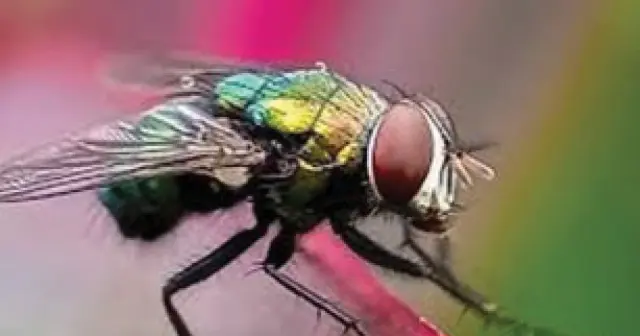
New Mexico has confirmed a second case of New World screwworm in a horse in Grant County, prompting expanded surveillance, a 12.4-mile infested zone, and broader monitoring with increased fly-trapping and animal inspections to detect and contain any spread, while keeping most animal movements allowed unless risk is identified. Wildlife monitoring and veterinary guidance are part of the response, with updates at ScrewwormNM.org.

The Colorado Sun•3 months ago
CNN•3 months ago
US screwworm cases rise to 12 across Texas and New Mexico as the parasite spreads beyond initial zones, affecting cattle, goats, sheep and a dog; USDA is releasing millions of sterile flies and deploying the Screwworm Adult Suppression System (Swass) to curb spread, while Pennsylvania imposes import quarantines; officials say the food supply remains safe but the beef industry could be impacted if containment fails.
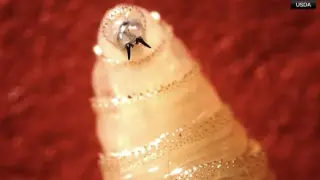
Idaho's agriculture department issued an administrative order restricting the movement of warm-blooded animals from screwworm‑infested zones and requiring a Certificate of Veterinary Inspection issued within five days of travel, plus documentation that the animal was authorized to leave the infested area, after the first U.S. screwworm case was confirmed in Texas. Animals from states with detections but outside infestation zones must also have a health certificate issued within five days before entering Idaho; officials urged pet owners and travelers to take precautions and coordinate with USDA.

The U.S. Department of Agriculture publicly rebuked Texas Agriculture Commissioner Sid Miller after he suggested ranchers might avoid reporting New World screwworm infestations due to quarantine restrictions, as Texas logged five confirmed cases in less than a week and New Mexico reported a case. Federal officials emphasize that rapid reporting enables containment through quarantines, surveillance, sterile fly releases, and other tools; Miller advocates deploying SWASS in addition to sterile flies. Governor Abbott and Rollins stressed a coordinated response, and a new senior advisor for screwworm preparedness was named.

Agriculture Secretary Brooke Rollins publicly clashes with Texas Agriculture Commissioner Sid Miller over the federal response to the New World Screwworm outbreak in Texas, with Rollins calling Miller’s criticisms unserious and Miller accusing USDA of slow action and urging immediate deployment of the Screwworm Adult Suppression System. The feud highlights tensions between federal and state leaders as the parasite threatens cattle herds and beef prices, while the USDA presses ahead with its screwworm playbook—sterile flies, quarantine zones, increased surveillance—and ramps up production to contain the outbreak, amid calls for stronger federal intervention.
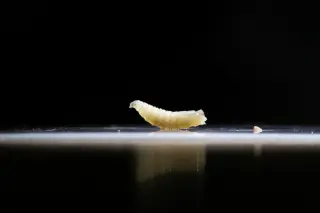
The USDA confirmed the New World screwworm fly has reached south Texas for the first time in decades, detected in a 3-week-old calf near La Pryor. A 12-mile quarantine zones restricts movement of warm-blooded animals while authorities deploy sterile flies and expand surveillance. Officials say there is no evidence of a mass infestation and the fly’s flesh-eating larvae can be treated; the case follows decades of eradication and ongoing investments to rebuild sterile-fly production facilities in Mexico and Texas to prevent further spread. The incident highlights continued biosecurity vigilance at the U.S.-Mexico border.
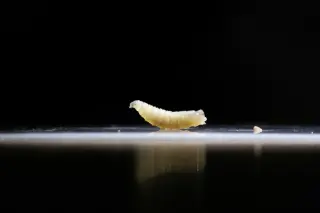
Texas has confirmed the first U.S. case of New World screwworm in a 3‑week‑old calf from Zavala County, prompting federal and state actions. While meat isn’t at immediate risk, the outbreak could cost up to $1.8 billion to Texas’ cattle economy and push beef prices higher. Officials are using sterile-fly release programs, quarantines, and enhanced border surveillance with Mexico and Panama to eradicate the pest, building on a historic eradication effort from the 1960s. Hunters and pet owners should monitor wounds on animals and report suspected screwworms to a veterinarian; FDA-approved treatments exist, though medicated feed is not yet approved.
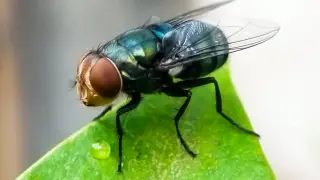
A New World screwworm was detected in a three-week-old calf in Zavala County, Texas, with larvae found in the umbilical area; there are no additional detections at this time. USDA APHIS and Texas officials have launched containment and eradication efforts, including a 20-kilometer infested zone, quarantines, movement controls, and enhanced surveillance to protect livestock and prevent economic losses.
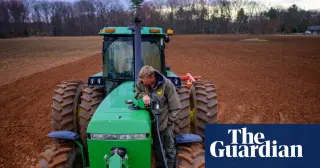
Diesel costs, spiking due to tariffs and war-related shortages, are squeezing US farmers who were already financially stressed by tariff losses and drought, risking higher production costs and tighter margins—especially for small and Black-owned farms—while advocates press for tariff relief and stronger USDA support.
The USDA announced the Farmer Bridge Assistance program rates for 2025, with rice and cotton receiving the highest per-acre payments, as part of an $11 billion effort to support farmers affected by trade disruptions. The payments aim to bridge the economic gap for farmers, but critics view them as insufficient and temporary solutions amidst ongoing agricultural challenges.
The USDA announced the next phase of the Farmer Bridge Assistance Program, providing $12 billion in payments to American farmers in 2026, with $11 billion as one-time payments based on 2025 crop data, to support farmers amid economic challenges. Payments vary by commodity, and the program aims to offer relief and stability for farmers planning for the upcoming planting season.