
Oregon Zoo's Tula-Tu Shows Signs of Recovery After EEHV Diagnosis
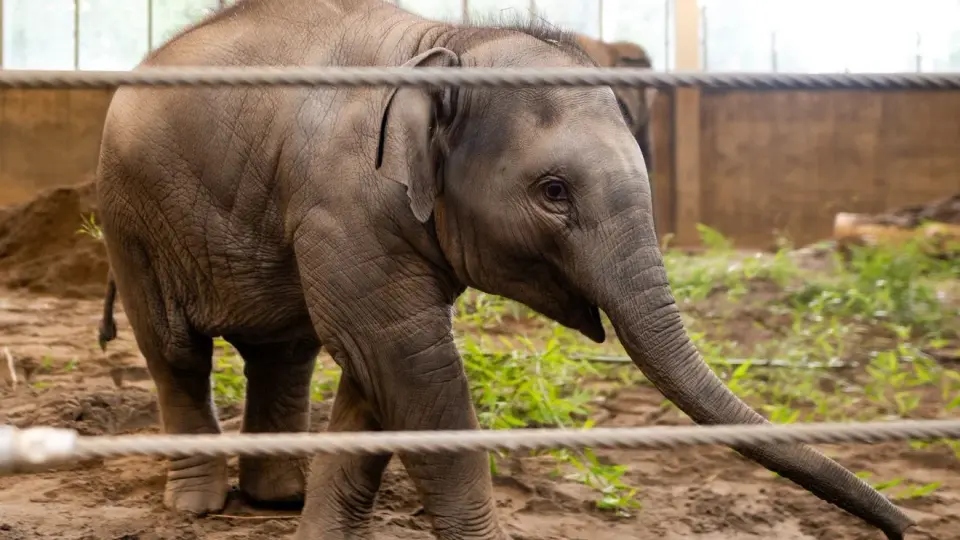
Tula-Tu, a one-year-old Asian elephant at the Oregon Zoo, is currently stable after being diagnosed with elephant endotheliotropic herpesvirus (EEHV). Care staff detected behavioral changes on October 24, leading to immediate testing and treatment, including plasma transfusions. While the virus is life-threatening for young calves, Tula-Tu’s platelet and white cell counts are improving. The zoo noted that Tula-Tu had previously received an mRNA vaccine for a different strain, but the current infection is from EEHV-1B. Experts express cautious optimism as the calf responds to the protocol.
Key points
- Tula-Tu was diagnosed with EEHV-1B after staff noticed subtle behavioral changes on October 24, 2026.
- The Oregon Veterinary Diagnostic Laboratory confirmed the elevated viral load on October 25, prompting immediate plasma transfusions and antiviral treatments.
- Tula-Tu remains stable with normal platelets and improving white cell counts, though the condition is not yet resolved.
- The calf had received an mRNA vaccine for EEHV-1A earlier in 2026, but the current infection is from the related EEHV-1B strain.
- Dr. Carlos Sanchez, the zoo’s director of animal health, stated that early detection and rapid intervention were critical to Tula-Tu’s current stability.
Background
In 2018, another calf of Tula-Tu’s mother, Rose-Tu, named Lily, died from EEHV shortly before her sixth birthday. Following that loss, the Oregon Zoo established a dedicated hematology lab and developed a 55-page response protocol to better manage the virus. The zoo has also been involved in international research, including establishing a hematology lab in Sabah, Malaysia, in 2023 to track EEHV in wild elephants. While no cure exists for the virus, diagnostics and treatment methods have improved significantly over the past decade.
How outlets are covering it
KATU and KTVZ both emphasize the rapid response and the 'cautious optimism' expressed by Dr. Carlos Sanchez regarding Tula-Tu’s improving blood counts. Yahoo provides additional detail on the zoo’s preparation, noting that staff had a detailed protocol and plasma on hand before Tula-Tu’s birth, which allowed for treatment within hours of detection. While all sources agree on the diagnosis and current stability, Yahoo highlights the specific strain difference (EEHV-1B vs. the vaccinated EEHV-1A) and the physical challenges of treating a 1,200-pound sedated calf. KATU and KTVZ focus more on the broader research implications and the zoo’s international conservation efforts.
Why it matters
The case of Tula-Tu highlights the ongoing threat of EEHV to young Asian elephants, a virus that can be fatal within days. The zoo’s ability to detect and treat the infection rapidly, thanks to advanced diagnostics and prepared protocols, offers a model for managing similar outbreaks in captive and wild populations. The samples collected from Tula-Tu will contribute to research on vaccine efficacy and treatment responses, potentially improving survival rates for future calves in zoos and in range countries.
What to watch
Veterinarians are monitoring Tula-Tu 24 hours a day, with the team evaluating her condition day by day. The zoo is using her blood samples for joint research with Oregon State University and Baylor College of Medicine to analyze vaccine responses. While Tula-Tu is stable, the zoo notes that she is not yet out of the woods, and the outcome will depend on her continued response to the treatment protocol.
- Tula-Tu stable as Oregon Zoo vets treat for rapidly progressing strain of elephant herpes KATU
- Tula-Tu fights off EEHV infection as doctors express cautious optimism KTVZ
- Oregon Zoo’s beloved elephant calf Tula-Tu battles ‘life-threatening’ herpes virus KOIN.com
- Elephant calf Tula-Tu being treated for viral infection at Oregon Zoo: 'Not out of the woods yet' Yahoo
- Tula-Tu Gets Dangerous Elephant Virus Z100 Portland
Want the full story? Read the original reporting
Read on KATU