
Expert testing reveals Legionella and chlorine failures in Beaverville water system
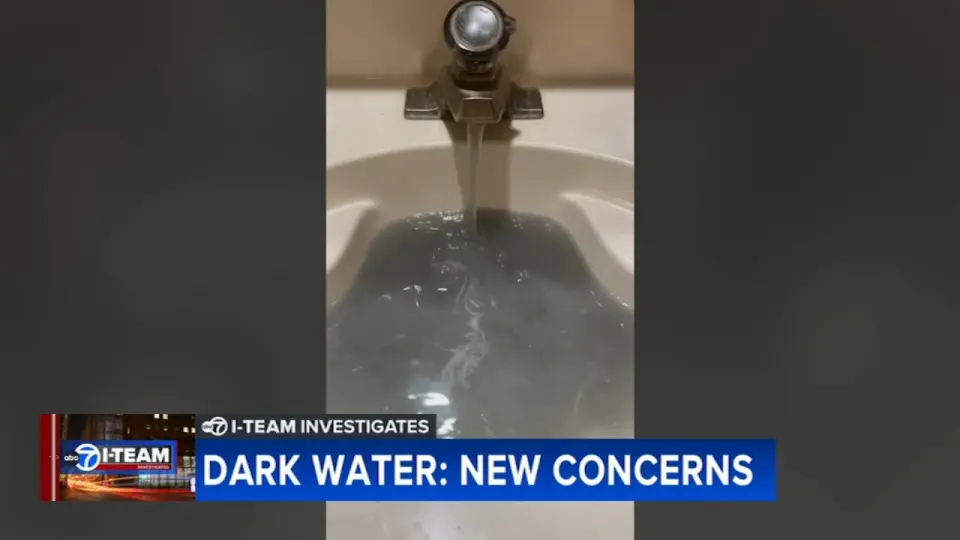
Dr. Marc Edwards, a Virginia Tech professor, found Legionella bacteria in one Beaverville home and no detectable chlorine in two homes. The Illinois EPA cited the village for low chlorine levels, while the village disputes the severity of the findings.
Key points
- Dr. Marc Edwards tested two Beaverville homes, finding Legionella in one and no chlorine residual in both.
- The Illinois EPA issued a violation notice for low chlorine residual in August, matching Edwards' testing date.
- The U.S. EPA previously cited the village for 14 violations, including chlorine levels falling below minimums over 60 times.
- Village attorney Ross Secler claims the Legionella finding is isolated and that separate testing showed normal chlorine levels.
- The village has spent $100,000 on water system rehabilitation but faces ongoing complaints from residents.
Background
This follows earlier ABC7 Chicago reports on dark, discolored water in Beaverville. Recent Legionella outbreaks in Illinois hospitals and Hawaii condos highlight broader water safety concerns, though those cases involved different pathogens or locations.
Why it matters
Chlorine is critical for preventing bacterial growth in water systems. Its absence, combined with Legionella detection, raises serious public health risks, especially given prior EPA violations and resident complaints.
What to watch
The village will continue testing its water system. The Illinois EPA may issue further violations, and the U.S. EPA could review the 14 prior violations. Residents may seek medical attention if symptoms persist.
Want the full story? Read the original reporting
Read on ABC7 Chicago