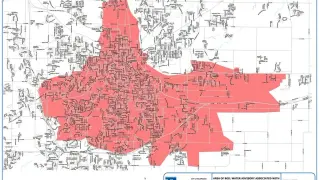
A boil-water advisory has been issued for all City of Kalamazoo water customers amid contamination concerns, including E. coli/coliform findings, with authorities monitoring the situation.
Warmer North Carolina waters—driven by climate change—are expanding the season for harmful algae and microbes, with rare but deadly infections from Naegleria fowleri and Vibrio vulnificus highlighting evolving waterborne risks; while most recreational sites meet safety standards, experts warn that warmer, shallow, slow-moving waters can foster blooms and bacteria, urging avoidance of bright green or discolored water and keeping warm freshwater out of the nose.
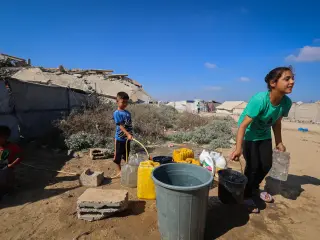
The WHO warns that Gaza’s health emergency could worsen as winter rains approach, with deteriorating water quality, rising diarrhea cases, and widespread infrastructure damage raising contamination risks; experts urge unimpeded humanitarian aid and increased water, waste, and disease-response supplies to prevent a broader outbreak.
A large controlled study in Hungary with 2,368 participants found wild swimming in rivers and lakes increases the risk of skin rashes (more than twice as likely) and is associated with higher rates of gastrointestinal illness when water contains more E. coli and somatic coliphages; skin irritation causes remain unclear and are not linked to fecal indicators. The study argues E. coli should remain part of freshwater monitoring, aligning with German data and potentially affecting UK guidelines, though results come from a single trial day per site.
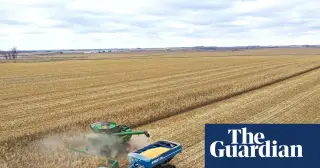
Iowa’s rising cancer rates—now the top issue for voters—have become a central campaign theme in the midterms, with Republicans and Democrats vying to show how to curb pollution from farming (fertilizer runoff, Cafos) and improve water quality and radon safety; candidates propose varied policy changes, while grassroots farmer groups push for broader farming reforms, underscoring that solving the health crisis will require long-term, systemic action beyond a single election.
Utah has 48 cyclosporiasis cases since May, none linked to the current outbreak, illustrating a yearly pattern as Cyclospora thrives in warmer months. Contamination likely enters produce through contaminated water or waste, including sewage leaks, field runoff, or worker-related issues. Chlorine doesn’t remove Cyclospora, so emphasis remains on upstream water safety and farm practices; Utah farmers are increasingly adopting produce-safety measures and can seek guidance from Utah State University Extension and the Utah Department of Agriculture and Food.
A satellite analysis shows the Lincoln Memorial Reflecting Pool had its largest June algae bloom in at least five years, occurring days after a $14 million renovation, with EarthCam photos showing widespread growth and weather conditions likely contributing to the spike.
EWG’s 2021–2023 analysis of nearly 50,000 public water systems finds about 62 million Americans (roughly 1 in 5) may drink tap water with nitrate levels linked to health risks; millions exceed 3 mg/L and thousands exceed 5 mg/L, with some wells reaching much higher levels. Nitrates largely come from agricultural fertilizers and manure, and private wells aren’t covered by EPA rules. Mitigation includes home reverse-osmosis filters, but tighter regulations and consumer awareness are urged, as bottled water is not a guaranteed fix.
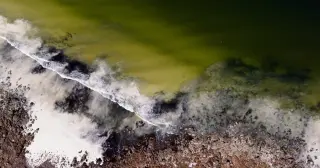
A persistent, mysterious algal bloom off South Australia’s coast has killed marine life and fouled beaches for over a year, upsetting communities and raising concerns about the health of the ocean.
A large US study linked Parkinson’s disease risk to where and how people get their drinking water. People drinking from carbonate aquifers had a 24% higher PD risk than those using other aquifers and a 62% higher risk than those drinking from glacial aquifers. Newer groundwater (past 75 years) in carbonate systems was tied to about 11% higher risk than older water. The study analyzed 12,370 people with PD and over 1.2 million without, all within 3 miles of groundwater sampling across 21 major US aquifers, and noted limitations like assuming uniform aquifer characteristics within radius. Carbonate aquifers are common in the Midwest, South, and Florida, while glacial aquifers are more in the Upper Midwest and Northeast. The findings suggest groundwater age and source may influence long-term neurological health, warranting further research.
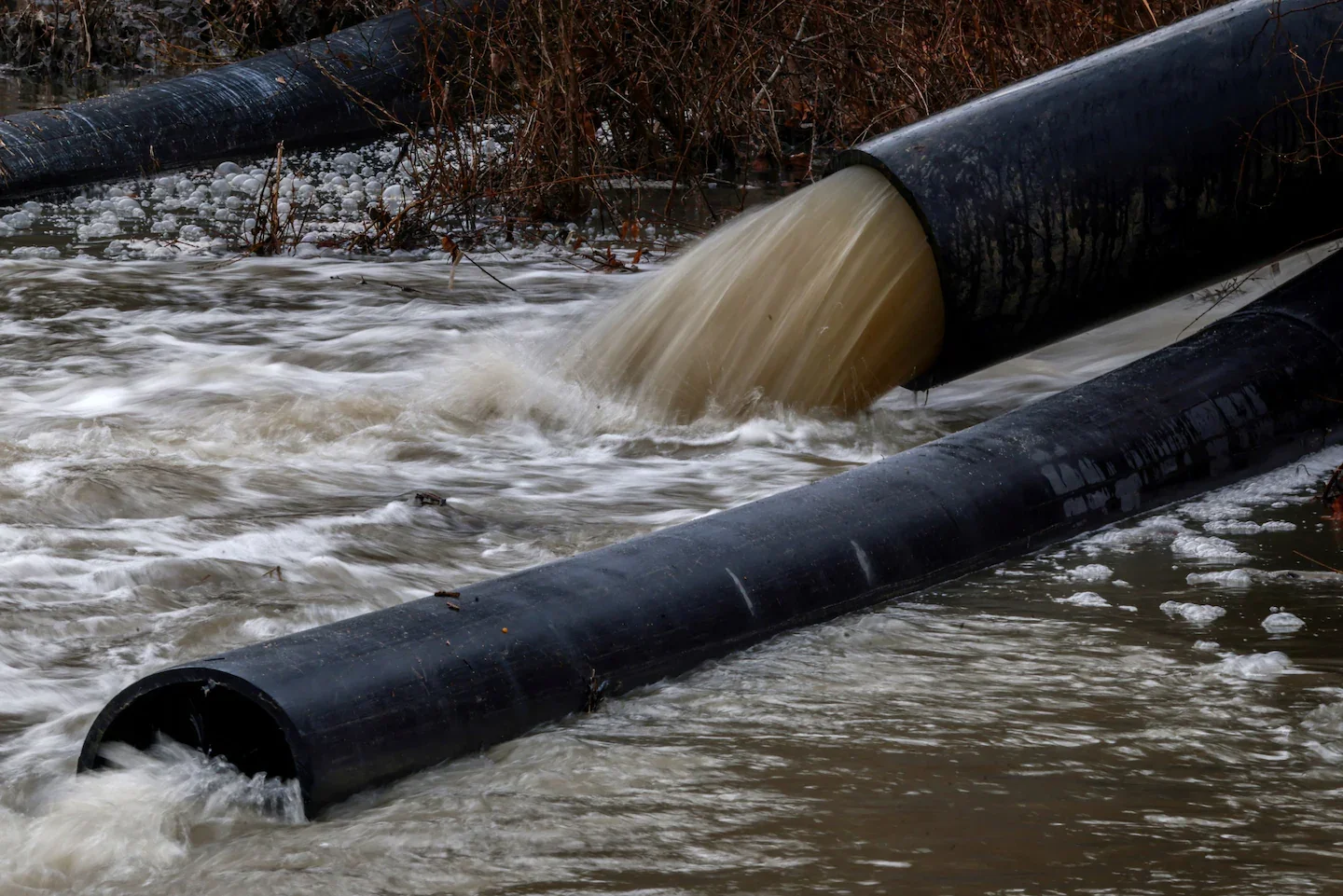
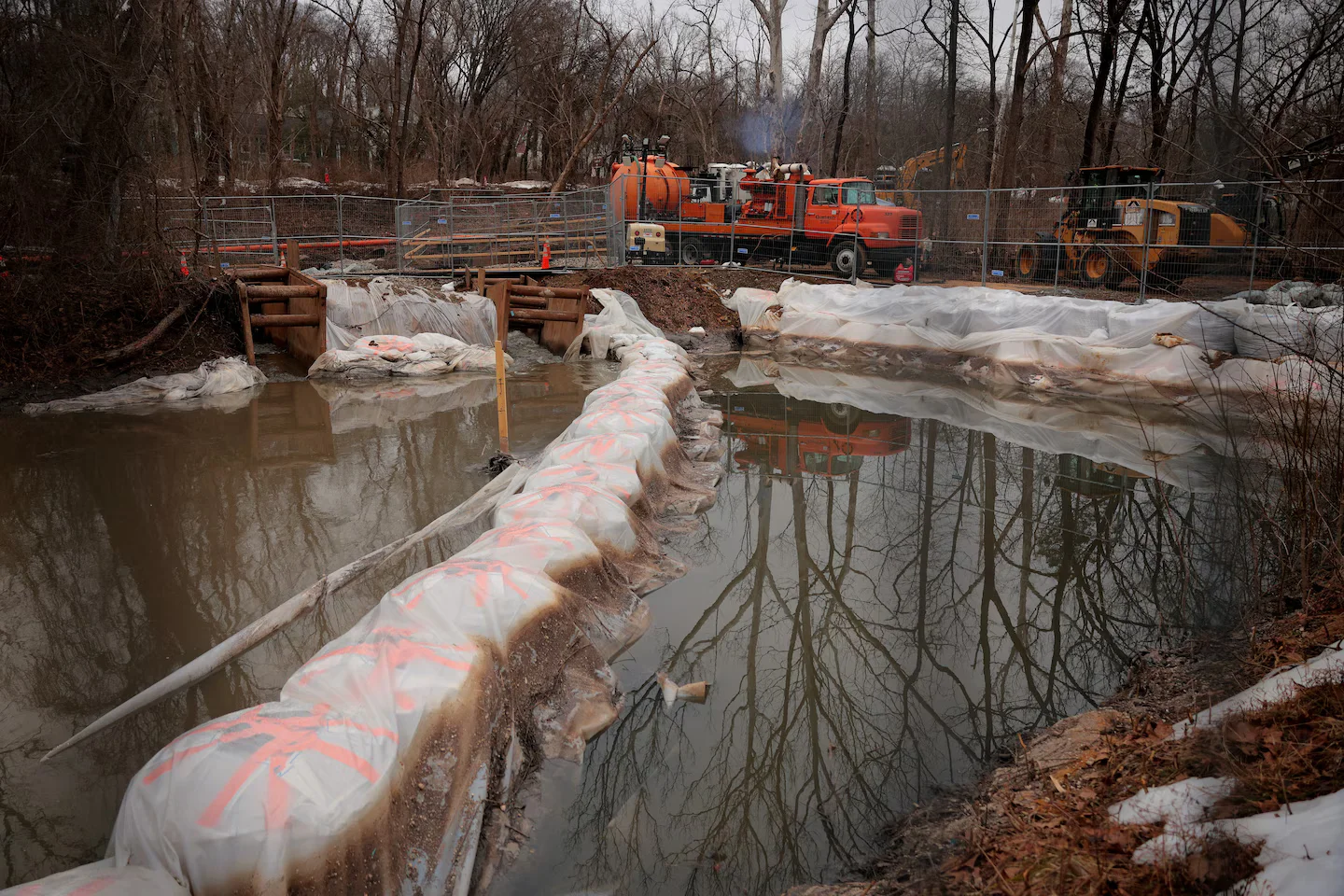
DC Mayor Muriel Bowser declared the Potomac River sewage spill a public emergency and sought federal help to cover cleanup costs, as temporary pipes divert sewage into the C&O Canal to allow repair of the six‑foot Potomac Interceptor after January’s collapse.
President Donald Trump said the federal government will help respond to a major raw-sewage spill into the Potomac River, directing federal agencies to coordinate the cleanup after about 200 million gallons spilled, with barriers redirecting sewage and FEMA/EPA involvement.
A large sewer pipe collapse near I-495 and Clara Barton Parkway caused hundreds of millions of gallons of raw sewage to spill into the Potomac, leaving sewage remnants on land and in the water. DC Water says repairs will take about nine months, using bypasses to the C&O Canal and Potomac Interceptor, while state and local officials monitor water quality and public health risks across the District, Maryland, and Virginia.
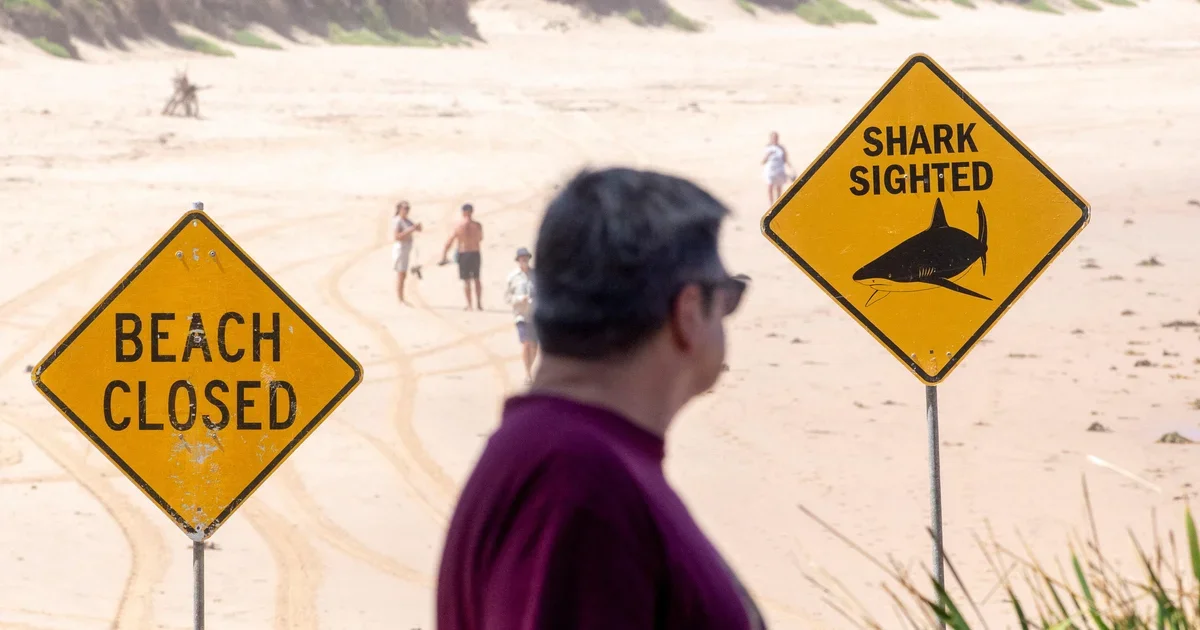
A 12-year-old boy, Nico Antic, died from injuries after a shark bit him in Sydney Harbour last week as he and friends jumped into the water from a rock in Vaucluse. Heavy rains made the harbor water murky, which officials say is linked to increased shark activity. The incident follows several other shark encounters in the area, prompting beach closures and warnings to avoid swimming in harbor waters amid concerns over rising shark activity and changing migratory patterns.
The Transportation and Infrastructure Committee approved multiple bills, including the Aviation Funding Solvency Act to protect the air traffic control system during government shutdowns, and legislation to modernize aviation, improve water quality, and relocate the FBI headquarters, among other initiatives.