
US States Legalize Ivermectin Access Amid Zero Cancer Evidence
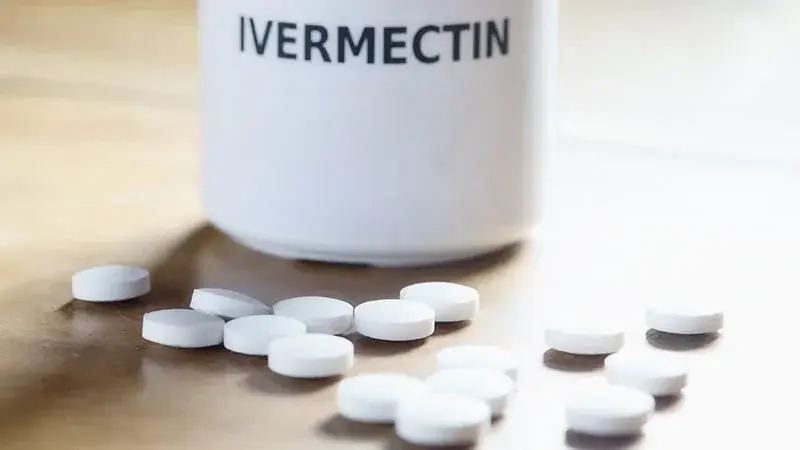
Five US states have passed laws allowing easier access to ivermectin, an antiparasitic drug, despite a complete lack of clinical evidence supporting its use for cancer. This legislative shift, driven by social media influence and celebrity endorsements, has led to a surge in patient requests for the drug. Oncologists report that patients are increasingly refusing guideline-recommended treatments in favor of ivermectin, citing conspiracy theories and anecdotal success stories. While the FDA maintains that ivermectin is not effective for cancer, state laws have created a confusing landscape that may legitimize off-label use. Medical professionals warn that this trend poses significant risks, including potential toxicity and delayed treatment, leading to worse outcomes for patients with early-stage cancers.
Key points
- Five US states (Tennessee, Arkansas, Idaho, Louisiana, Texas) have passed laws allowing easier access to ivermectin, with some states allowing over-the-counter sales.
- There is no randomized controlled trial evidence supporting ivermectin as a safe or effective treatment for cancer.
- Ivermectin prescriptions for cancer rose substantially after 2020, with a twofold increase in the first half of 2025 following a celebrity endorsement.
- Oncologists report that patients are increasingly refusing conventional cancer treatments in favor of ivermectin, citing conspiracy theories and anecdotal success stories.
- The FDA maintains that ivermectin is not effective for cancer, but state laws have created a confusing landscape that may legitimize off-label use.
Background
Ivermectin is a widely used antiparasitic medication approved by the FDA in 1987. Its use for cancer gained traction after the pandemic, when some research suggested it could have antitumor properties. The drug's popularity was further boosted by a 2025 interview with actor Mel Gibson, who claimed that friends with late-stage cancer had been cured by an ivermectin-fenbendazole regimen. This endorsement led to a significant increase in prescribing rates. The American Society of Clinical Oncology (ASCO) cautioned against using ivermectin to treat cancer outside of a clinical trial in May 2026, citing a lack of established clinical benefit and potential toxicity.
Why it matters
The legalization of ivermectin access in multiple US states, despite a lack of evidence, highlights the power of social media and celebrity endorsements to shape public health perceptions and legislative decisions. This trend poses significant risks to patients, who may refuse evidence-based treatments in favor of unproven alternatives, leading to worse outcomes. The FDA's stance on ivermectin's ineffectiveness for cancer contrasts with state laws, creating a confusing landscape that may legitimize off-label use. This situation underscores the need for clear communication and education from medical professionals to guide patients toward evidence-based treatments.
What to watch
The American Society of Clinical Oncology (ASCO) has cautioned against using ivermectin to treat cancer outside of a clinical trial. A few researchers are exploring ivermectin to treat cancer in the clinical trial setting, including a study of ivermectin with balstilimab or pembrolizumab in metastatic triple-negative breast cancer. These studies may help clarify potential benefits and risks associated with combining ivermectin with established cancer therapies. Oncologists are expected to continue educating patients about the risks of ivermectin and the importance of evidence-based treatments.
Want the full story? Read the original reporting
Read on Medscape