
M. ovi pneumonia detected in Oregon's largest bighorn sheep herd
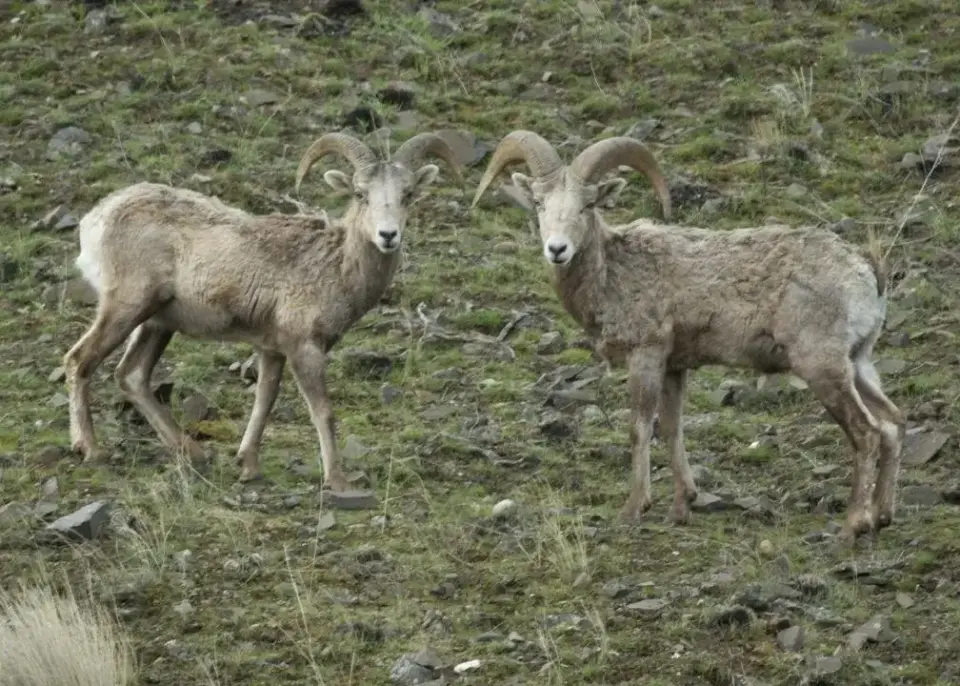
Mycoplasma ovipneumoniae (M. ovi), a bacteria causing fatal pneumonia, has been detected for the first time in Oregon's largest bighorn sheep herd along the John Day River. The herd, estimated at 1,000 California bighorns, faces a new threat after remaining free of the pathogen for years. While no cure exists, officials are investigating the strain's severity and collaborating with tribal nations to manage the outbreak, which may impact the population's long-term viability.
Key points
- M. ovi detected in John Day River herd: Several California bighorn sheep in Oregon's largest herd (approx. 1,000 animals) tested positive for M. ovi, a respiratory pathogen associated with fatal pneumonia.
- First detection in this herd: The John Day River herd had previously been considered a 'stronghold' for its size and health, with no prior detection of M. ovi, according to ODFW.
- Investigation underway: ODFW is testing samples from dead sheep at a Washington lab to identify the specific strain and gauge the outbreak's extent, a process that may take over a month.
- No cure or vaccine: There is no known treatment or vaccine for M. ovi. Management strategies focus on reducing contact between wild bighorns and potential disease vectors, such as domestic sheep, goats, and exotic aoudad (Barbary sheep).
- Collaboration with tribes: ODFW is partnering with the Confederated Tribes of the Warm Springs and the Confederated Tribes of the Umatilla Indian Reservation to develop management plans and prevent the disease from spreading to other herds.
- Hunting continues: ODFW does not plan to cancel the fall bighorn hunts (27 ram tags, 28 ewe tags) in the John Day area, hoping to collect tissue samples from harvested animals to aid in the investigation.
Background
M. ovi has previously affected other Oregon bighorn herds, including those in the Owyhee Mountains and Hells Canyon, causing widespread deaths. In Baker County, the Lookout Mountain herd (Rocky Mountain bighorns) has been affected since 2020, with its population declining from 400 to 250 due to the infection, particularly among lambs. The John Day River herd consists of California bighorns, a different subspecies. The recent Fox Fire, which burned 79,000 acres in late July and early August, has also threatened the John Day herd by destroying much of its habitat.
How outlets are covering it
All sources (Baker City Herald, Statesman Journal, Northwest Sportsman Magazine, KTVZ) report the core facts of the M. ovi detection in the John Day River herd. The Baker City Herald provides the most detailed context, including the impact on the Lookout Mountain herd, the role of aoudad as a potential vector, and the plan to hunt for 'chronic shedders.' The Statesman Journal and Northwest Sportsman Magazine emphasize the lack of a cure and the focus on reducing contact with domestic animals. KTVZ offers a brief summary of the outbreak. There are no significant disagreements among the outlets, but the Baker City Herald offers the most comprehensive view of the management challenges and historical context.
Why it matters
The detection of M. ovi in Oregon's largest bighorn herd is a significant concern for wildlife conservation. The pathogen has no cure, and its impact can vary from short-term to decades-long chronic issues. The outbreak threatens the stability of a key population and may require aggressive management strategies, including potentially removing infected individuals or reducing herd densities. The collaboration with tribal nations and the focus on preventing contact with domestic animals highlight the complex challenges of managing wildlife disease in a landscape with human and domestic animal presence.
What to watch
ODFW will continue to test samples to identify the M. ovi strain and assess the outbreak's severity. They will work with tribal partners to develop management plans. The public is asked to report any dead or sick bighorn sheep in the John Day River Canyon. ODFW will not cancel the fall hunts but will use them to collect tissue samples. The long-term impact on the John Day herd remains uncertain, depending on the strain and the effectiveness of management strategies.
- Potentially fatal bacteria found in Oregon’s largest bighorn sheep herd bakercityherald.com
- Potentially fatal bacteria found in Oregon bighorn sheep herd The Seattle Times
- Serious respiratory infection hits bighorn sheep near John Day River Statesman Journal
- M.ovi Detected In Oregon's Biggest Bighorn Herd - Northwest Sportsman Magazine
- Disease outbreak hits John Day River bighorn sheep population KTVZ
Want the full story? Read the original reporting
Read on bakercityherald.com