Tag

Wildlife Disease

All articles tagged with #wildlife disease

Horned Rabbits in St. Paul: Shope Virus Turns Bunnies into Frankenstein Figures
local-news18 days ago

Horned Rabbits in St. Paul: Shope Virus Turns Bunnies into Frankenstein Figures

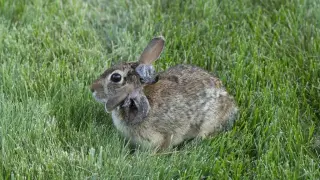
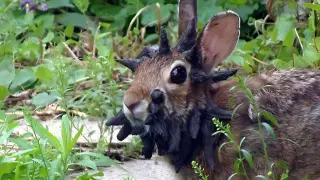
In St. Paul and the Twin Cities, rabbits infected with Shope papillomavirus develop horn- or tusk-like growths. The non-curable virus is transmitted by mosquitoes and ticks and is most active in warmer months. Officials say the prevalence can wax and wane; the Minnesota DNR notes metro infections without confirming a rise, while the Wildlife Rehabilitation Center of Minnesota has treated seven affected rabbits this year. Domestic rabbits may require veterinary removal of growths.

Backyard Squirrels with Wart-Like Growths Explained
science20 days ago

Backyard Squirrels with Wart-Like Growths Explained

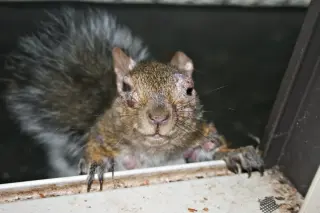
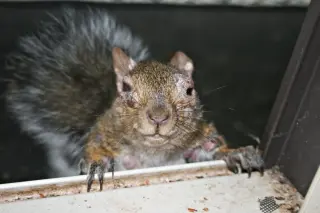
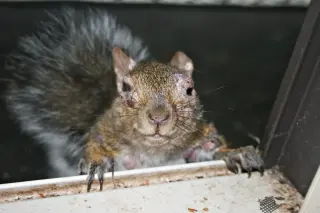
Several states have reported squirrels with oozing, wart-like lesions caused by squirrel fibromatosis. The condition is not contagious to humans or pets, and most infected squirrels recover within four to eight weeks. Experts advise against handling the animals and suggest removing bird feeders to reduce crowding, as outbreaks peak in spring and summer; while the disease is usually non-severe, rare cases can spread to organs, according to the Indiana Department of Natural Resources.

Wart-Like Squirrels Spotted Across US Backyards, Baffle Experts
world21 days ago

Wart-Like Squirrels Spotted Across US Backyards, Baffle Experts

Squirrels in several U.S. states have been seen with oozing, wart-like tumors caused by squirrel fibromatosis, a disease linked to Lepripoxvirus. The infections usually don’t hinder survival and often clear in four to eight weeks, though they can spread in crowded groups. The virus isn’t contagious to humans or pets, but experts urge people not to handle affected animals and suggest removing bird feeders to reduce gatherings.

Backyard 'Zombie' Squirrels with Oozing Warts Detected Across Several States
science21 days ago

Backyard 'Zombie' Squirrels with Oozing Warts Detected Across Several States

Across several states, residents have spotted squirrels with wart-like, oozing growths, likely caused by squirrel fibromatosis linked to Lepripoxvirus. The tumors usually don't affect the animals’ survival, though in rare cases they can spread to organs. Infections peak in spring and summer. Humans and pets can’t catch it, but experts advise not handling affected squirrels and, to limit spread, consider removing bird feeders.

Utah wild rabbits test positive for lethal RHDV-2, hunters urged to handle game carefully
science24 days ago

Utah wild rabbits test positive for lethal RHDV-2, hunters urged to handle game carefully

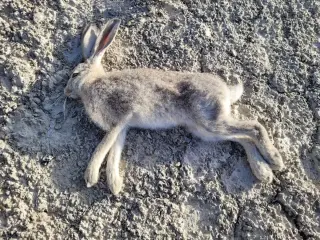
A lethal rabbit virus (RHDV-2) has been detected in Utah’s wild rabbits in Summit and Tooele counties, prompting the Division of Wildlife Resources to urge hunters and outdoor enthusiasts to handle rabbits and carcasses with precautions; the disease is highly infectious to rabbits and hares but not known to affect humans or livestock, and cases in Utah’s wild populations have been rare since 2022.

Frankenstein-Like Growths in US Rabbits Traced to a 90-Year-Old Virus
science24 days ago

Frankenstein-Like Growths in US Rabbits Traced to a 90-Year-Old Virus

Rabbits across several states—including Colorado—are developing dark, tentacle-like growths on their heads due to Shope papillomavirus (SPV), a rabbit-specific infection that has been known since the 1930s. The growths are wart-like and most infected rabbits survive; in severe cases they can progress to squamous cell carcinoma and impair vision or eating. SPV is not known to infect humans, but domestic rabbits can catch it from wild carriers or vectors such as mosquitoes, ticks, and fleas, so pet owners should keep rabbits indoors or in screened enclosures, control pests, avoid contact with wild rabbits, and seek veterinary care if suspicious growths appear. The virus historically aided cancer research and HPV vaccine development, underscoring why this isn’t a human health threat despite the eerie visuals.

Parks Canada deploys bacteria to curb deadly white-nose syndrome in Alberta bats
canada26 days ago

Parks Canada deploys bacteria to curb deadly white-nose syndrome in Alberta bats

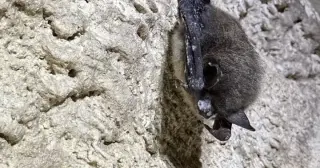
Parks Canada crews in Alberta are applying a blend of bacteria in bat caves to slow the spread of white-nose syndrome, a deadly fungal infection that wakes hibernating bats, drains their fat reserves, and can wipe out large portions of a colony (up to about 98%). The outbreak has affected caves such as in Jasper National Park, threatening local bat populations, though it poses no risk to humans. The effort aims to prevent local extinction of Alberta’s hibernating bats.

CWD's Silent Spread: Prions, Zombie Deer, and Uncertain Human Risk
science2 months ago

CWD's Silent Spread: Prions, Zombie Deer, and Uncertain Human Risk

Chronic Wasting Disease (CWD) is a fatal prion disease spreading through North American deer populations, with infected animals able to shed prions and transmit before symptoms appear (incubation about 18–24 months). Prions persist in the environment, making containment almost impossible. While there are no confirmed human cases, lab studies show potential transmission to humans, prompting health agencies to advise hunters to test venison and avoid high-risk tissues. By August 2025, CWD has been detected in at least 36 U.S. states, five Canadian provinces, and in Norway, Sweden, Finland, and South Korea. Estimates suggest 7,000–15,000 CWD-infected animals are eaten annually by humans, a figure that could grow about 20% per year in heavily affected areas. Eradication is not feasible; disease may cause population declines, so surveillance and testing are crucial.

First West Coast foothold of rat lungworm detected in San Diego wildlife
health4 months ago

First West Coast foothold of rat lungworm detected in San Diego wildlife

San Diego County wildlife have tested positive for rat lungworm (Angiostrongylus cantonensis) for the first time west of Texas, starting with a Parma wallaby at the San Diego Zoo in December 2024; subsequent testing found infections in 3 of 64 dead wild rats and in 7 of 10 Virginia opossums, suggesting the parasite may be endemic in the area with potential spread to the western United States. Public health officials urge precautions, including washing produce and avoiding raw or undercooked snails or slugs.

Bird Flu Reaches California’s Northern Elephant Seals
environment4 months ago

Bird Flu Reaches California’s Northern Elephant Seals

Seven newly weaned northern elephant seal pups at Año Nuevo in California tested positive for highly pathogenic avian influenza (H5N1), marking the first confirmed cases in the state’s elephant seals amid a global surge. Public risk remains low, but authorities are intensifying surveillance, closing seal-viewing areas, and coordinating across agencies to track spread and origins. The outbreak echoes 2023’s severe die-off among southern elephant seals in Argentina and underscores how climate change and migratory shifts can facilitate cross-species transmission, with potential long-term impacts on marine mammal populations and broader ecosystems.

New H5N1 Outbreak Reaches California Elephant Seals at Año Nuevo
science4 months ago

New H5N1 Outbreak Reaches California Elephant Seals at Año Nuevo

Researchers confirm H5N1 bird flu in California elephant seals at Año Nuevo, marking the first known infection in the state’s elephant seals; seven of the dead pups tested positive as part of ongoing surveillance that has counted about 30 seal deaths since the outbreak began. Officials say the outbreak likely stems from sick seabirds, with mammal-to-mammal transmission under investigation; the park remains closed and beachgoers are urged to avoid wildlife.

H5N1 bird flu detected in gentoo penguins on Australia’s Heard Island
environment4 months ago

H5N1 bird flu detected in gentoo penguins on Australia’s Heard Island

The gentoo penguin on Heard Island is the first bird on an Australian territory to test positive for H5N1 bird flu, after earlier detections in southern elephant seals; while Australia says it remains free of H5N1 and ongoing detections do not greatly raise immediate risk, experts warn the virus poses a serious threat to wildlife and stress the need for heightened surveillance and preparedness as H5N1 continues to spread across sub-Antarctic islands.