
New York Confirms First Wild Chronic Wasting Disease Case Since 2005 in Livingston County
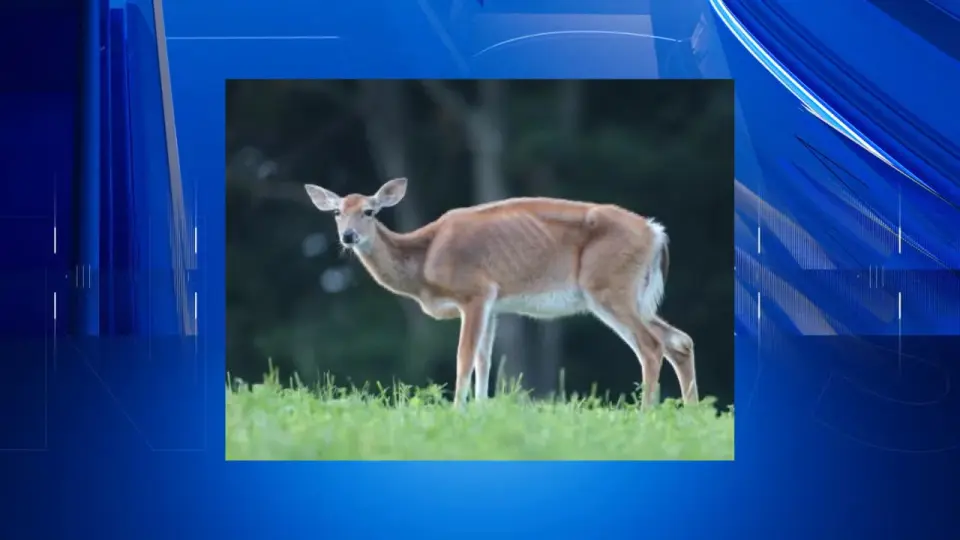
The New York State Department of Environmental Conservation (DEC) confirmed its first case of Chronic Wasting Disease (CWD) in a wild deer since 2005. The fatal prion disease was detected in an adult female white-tailed deer harvested in the Town of Sparta, Livingston County. In response, the DEC has established a containment area covering six towns and mandated that hunters submit tissue samples from all harvested deer within this zone. While CWD is always fatal to deer, moose, and elk, officials state there is no evidence it transmits to humans or domestic livestock. Additional testing is underway at the USDA’s National Veterinary Services Laboratories in Iowa to determine the extent of the outbreak.
Key points
- The positive CWD case was identified in an adult female white-tailed deer harvested in the Town of Sparta, Livingston County, as part of the DEC’s annual surveillance program.
- A containment area has been established, encompassing the towns of Conesus, Groveland, North Dansville, Sparta, Springwater, and West Sparta.
- Hunters within the containment area are required to submit tissue samples from all harvested deer and are prohibited from transporting whole deer outside the zone without a DEC permit.
- The sample was tested and retested at the New York State Veterinary Diagnostic Laboratory at Cornell University, with further analysis currently being conducted by the USDA’s National Veterinary Services Laboratories in Iowa.
- The DEC is implementing its CWD Response Plan, which includes mandatory sampling, restrictions on high-risk animal parts, and collaboration with local meat processors and taxidermists for sample collection.
- Collection stations for hunter-submitted samples are scheduled to open on November 12, 2026, with a virtual informational session planned for November 17, 2026, at 7:00 PM.
Background
New York had not confirmed a CWD case in a wild deer since 2005, when the disease was identified in both captive and wild deer in Oneida County. A captive red deer herd in Herkimer County tested positive in 2024, but no wild cases were found. Over 70,000 wild deer have been tested statewide since 2002 with no other positive results. This latest detection follows a national trend of intensified CWD surveillance, as seen in Utah, Montana, and Minnesota, where states are expanding testing protocols to monitor the spread of this fatal prion disease.
How outlets are covering it
All four sources agree on the core facts: the confirmation of CWD in a wild deer in Livingston County, the establishment of a containment area, and the mandatory sampling requirements for hunters. The Press & Sun-Bulletin provides the most detailed account, including the involvement of the USDA’s National Veterinary Services Laboratories in Iowa and specific regulatory restrictions on high-risk animal parts. Country 106.5 WYRK emphasizes the timing of the announcement, noting it coincides with the start of firearm season and increased deer activity. The Wellsville Sun highlights the CDC’s recommendation against consuming venison from CWD-positive deer. WHEC.com quotes DEC Big Game Unit Section Head Brendan Quirion, who notes that CWD is a slow-onset disease and that affected deer may appear healthy until late stages, when neurological symptoms become apparent. No significant disagreements were found among the outlets, though the Press & Sun-Bulletin offers the most comprehensive overview of the DEC’s response plan and testing logistics.
Why it matters
The confirmation of CWD in a wild deer in New York after a 20-year gap signals a potential shift in the state’s wildlife health landscape. The disease is always fatal to deer, moose, and elk, and its spread could impact hunting traditions, wildlife populations, and local economies dependent on deer management. The DEC’s containment measures and mandatory sampling aim to limit the disease’s spread, but the outcome will depend on hunter compliance and the results of ongoing testing. While there is no evidence of human transmission, the CDC’s caution against consuming venison from CWD-positive deer underscores the importance of proper handling and disposal. This case also highlights the need for continued surveillance and adaptive management strategies to address emerging wildlife diseases.
What to watch
The DEC will open collection stations for hunter-submitted samples on November 12, 2026, and host a virtual informational session on November 17, 2026, at 7:00 PM. Additional testing at the USDA’s National Veterinary Services Laboratories in Iowa is underway to determine the extent of the outbreak. The DEC may expand or add containment areas based on new positive detections. Hunters are encouraged to report any sick or dying deer to the DEC for possible collection and testing. The agency will also contact captive deer herds in the area to request records and ensure compliance with CWD regulations.
- DEC: Positive case of Chronic Wasting Disease found in wild deer in Livingston County WHEC.com
- Livingston County deer tests positive for deadly disease not seen in NY since 2005 RochesterFirst
- NYS DEC Discovers Chronic Wasting Disease in Harvested Deer! Country 106.5 WYRK
- Chronic Wasting Disease confirmed in Livingston County Town of Sparta the wellsville sun
- How DEC is responding to CWD positive deer found in Livingston County Press & Sun-Bulletin
Want the full story? Read the original reporting
Read on WHEC.com