Tag

Chronic Wasting Disease

All articles tagged with #chronic wasting disease

CWD's Silent Spread: Prions, Zombie Deer, and Uncertain Human Risk
science11 days ago

CWD's Silent Spread: Prions, Zombie Deer, and Uncertain Human Risk

Chronic Wasting Disease (CWD) is a fatal prion disease spreading through North American deer populations, with infected animals able to shed prions and transmit before symptoms appear (incubation about 18–24 months). Prions persist in the environment, making containment almost impossible. While there are no confirmed human cases, lab studies show potential transmission to humans, prompting health agencies to advise hunters to test venison and avoid high-risk tissues. By August 2025, CWD has been detected in at least 36 U.S. states, five Canadian provinces, and in Norway, Sweden, Finland, and South Korea. Estimates suggest 7,000–15,000 CWD-infected animals are eaten annually by humans, a figure that could grow about 20% per year in heavily affected areas. Eradication is not feasible; disease may cause population declines, so surveillance and testing are crucial.

Delaware Detects First Wild Deer Case of Chronic Wasting Disease, Initiates Response Plan
environment1 month ago

Delaware Detects First Wild Deer Case of Chronic Wasting Disease, Initiates Response Plan

Delaware has confirmed its first case of Chronic Wasting Disease in a wild white-tailed deer, with USDA confirmation; a second deer is awaiting confirmation. DNREC has activated its CWD Response Plan, creating a 5-mile CWD Management Zone around the Sussex County harvest and planning cluster sampling, with possible mandatory deer check-ins for testing next season. There is no known human risk, but hunters should test meat and follow biosecurity guidance while officials conduct ongoing surveillance and hold public briefings.

Indiana Confirms CWD in Franklin County, Expands Regional Surveillance
science1 month ago

Indiana Confirms CWD in Franklin County, Expands Regional Surveillance

Indiana DNR confirmed three chronic wasting disease (CWD) cases in wild deer from Franklin, Rush, and Noble counties for the 2025-26 season. The finding expands the state’s CWD Positive Area to LaGrange, Steuben, DeKalb, Noble, Allen, and Whitley counties and triggers enhanced surveillance in Franklin and Rush. Testing is voluntary and free for legally harvested deer, with CDC advising against consuming CWD-positive meat; no human cases have been reported. Hunters can submit samples via DNR head drop sites or participating businesses, while Purdue’s ADDL offers paid testing.

Mexico's Vampire Bats May Drive Cross-Species CWD Spread, Study Finds
science1 month ago

Mexico's Vampire Bats May Drive Cross-Species CWD Spread, Study Finds

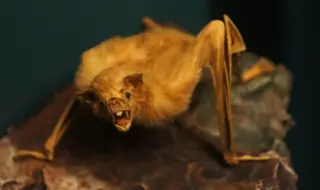
Researchers warn that common vampire bats in northern Mexico may already feed on CWD-infected cervids, potentially transmitting prions and enabling cross‑species spread as bat ranges expand. The study, which highlights a link between CWD-positive deer movements into Mexico and bat feeding opportunities, calls for ecological studies, prion transmission experiments, and expanded surveillance in overlap zones to proactively assess and mitigate risks to wildlife, livestock, and public health. Findings are preliminary and experts urge caution until more evidence is gathered.

Chronic Wasting Disease Spreads Further in Tennessee
environment5 months ago

Chronic Wasting Disease Spreads Further in Tennessee

Chronic wasting disease (CWD) in Tennessee whitetail deer is spreading eastward, with the first positive test in Wayne County confirming its presence in 20 counties. The Tennessee Wildlife Resources Agency maintains restrictions on carcass movement and feeding within the CWD Management Zone to control its spread, and hunters are encouraged to participate in testing programs to aid surveillance efforts.

Chronic Wasting Disease Detected in Edgecombe County Deer
health6 months ago

Chronic Wasting Disease Detected in Edgecombe County Deer

The N.C. Wildlife Resources Commission is investigating a potential case of Chronic Wasting Disease in a deer in Edgecombe County, North Carolina, with testing underway to confirm the diagnosis. If confirmed, it would be the 35th case in the state since 2022. Hunters are advised to take precautions when handling and disposing of deer carcasses, and to submit samples for testing, as the disease can spread among deer populations.

Multiple States Detect 'Zombie Deer Disease' in Wildlife
health7 months ago

Multiple States Detect 'Zombie Deer Disease' in Wildlife

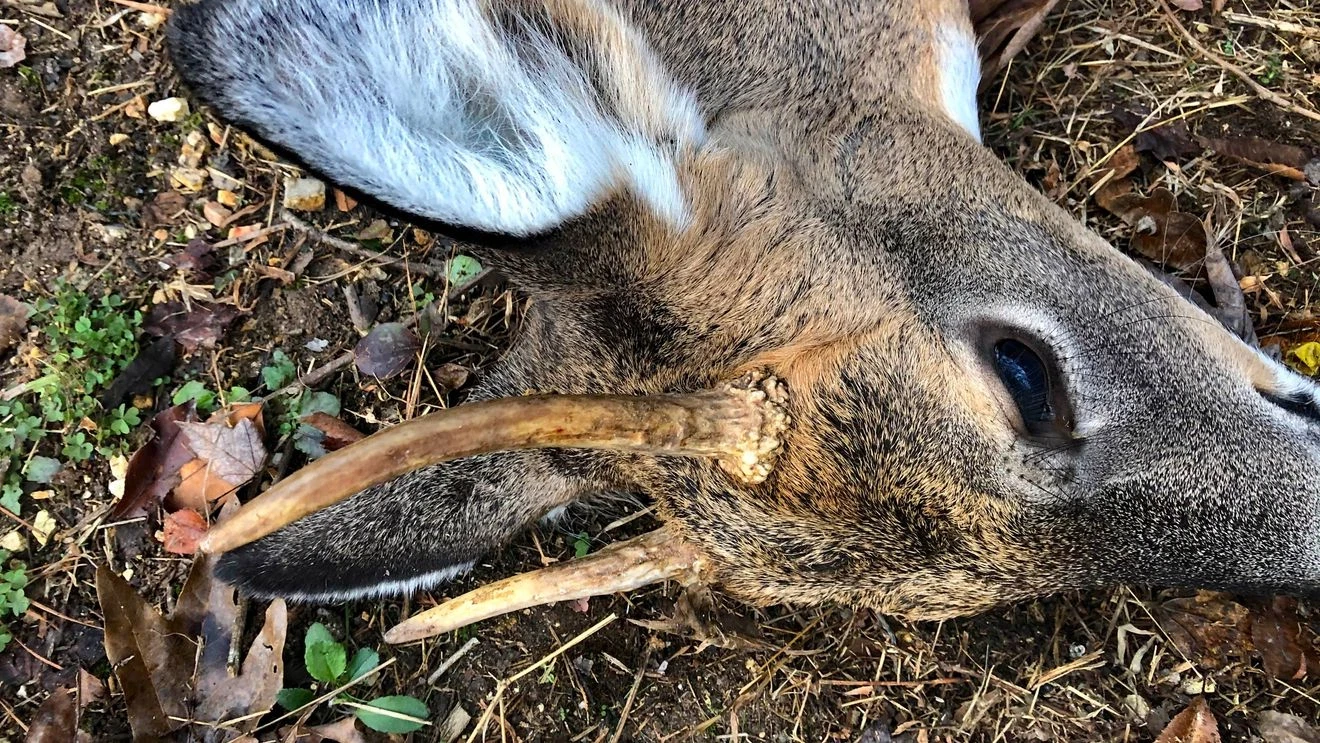
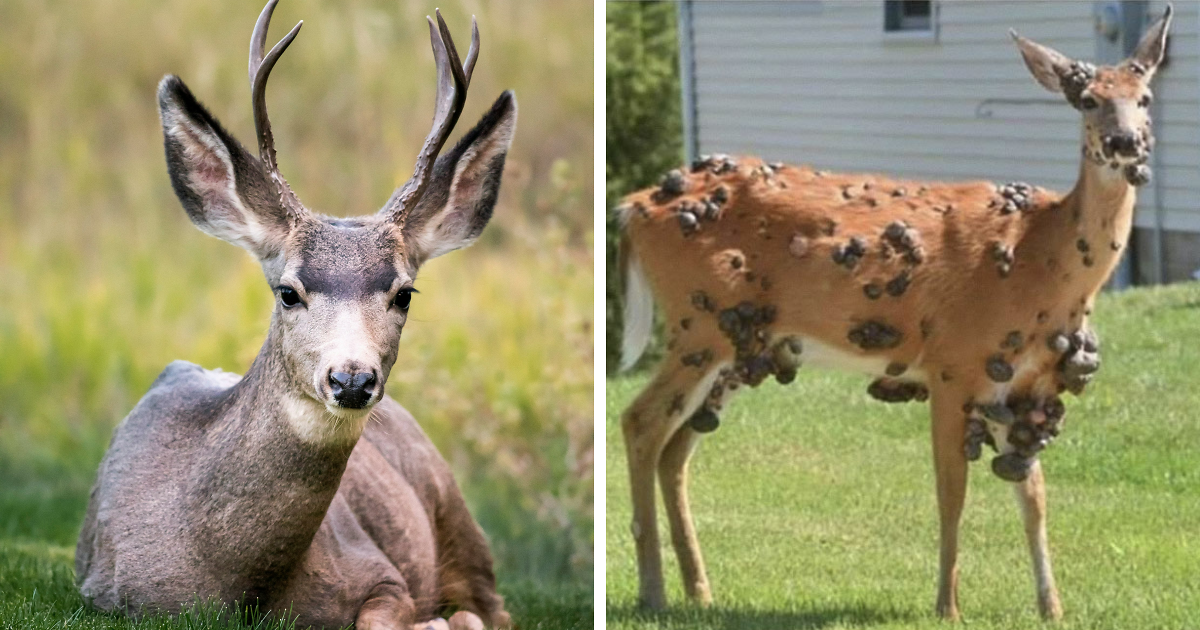
Florida has detected its second case of Chronic Wasting Disease (CWD) in a deer near the Georgia border, prompting a disease response plan. CWD is a fatal neurodegenerative disease affecting deer and related species, with no known cure or vaccine, and is being addressed through federal research funding. The disease has garnered public attention and misinformation, with some confusing it with harmless skin growths called fibromas, often called 'zombie deer'.

First CWD Case Detected in Wild Deer Near Wheaton, Minnesota
environment1 year ago

First CWD Case Detected in Wild Deer Near Wheaton, Minnesota

A buck harvested near Wheaton, Minnesota, tested positive for chronic wasting disease (CWD), marking the first detection of CWD in Deer Permit Area 271, which includes Traverse County and parts of Big Stone and Wilkin counties. The Minnesota Department of Natural Resources plans to implement a three-year testing plan to assess the disease's prevalence and will coordinate with South Dakota and North Dakota wildlife agencies. Management actions may include carcass movement restrictions and bans on deer feeding to prevent the spread of CWD.

Chronic Wasting Disease Detected in Wheaton Whitetail Deer
environment1 year ago

Chronic Wasting Disease Detected in Wheaton Whitetail Deer

Chronic wasting disease (CWD) has been detected for the first time in a whitetail deer near Wheaton, western Minnesota, prompting the Department of Natural Resources (DNR) to implement new regulations for local hunters. These measures include testing hunter-harvested deer for three years, restricting carcass movement, banning deer feeding and attractants, and possibly increasing bag limits. The DNR will collaborate with South Dakota and North Dakota wildlife agencies to manage the disease, which is fatal to deer, elk, and moose, and has no known cure.

Michigan Deer Hunters: Key Info on Chronic Wasting Disease Testing
local-news1 year ago

Michigan Deer Hunters: Key Info on Chronic Wasting Disease Testing

Chronic Wasting Disease (CWD), a neurological disease affecting deer, elk, and moose, has been detected in Michigan's Upper and Lower Peninsulas. The disease, caused by misfolded prion proteins, is incurable and leads to severe symptoms and death in infected animals. While there are no reported human cases, CWD poses a theoretical risk if humans consume infected meat. Michigan's Department of Natural Resources (DNR) is conducting CWD testing in specific counties, with various submission options available for hunters. Testing is voluntary but encouraged, and proper disposal of deer carcasses is advised.

Chronic Wasting Disease Detected in Arkansas Deer Populations
environment1 year ago

Chronic Wasting Disease Detected in Arkansas Deer Populations

The Arkansas Game and Fish Commission confirmed a deer in Stone County tested positive for chronic wasting disease (CWD), a fatal neurological disease affecting deer and other cervids. The deer was harvested on private land near Sylamore WMA, within the existing CWD Management Zone. No immediate changes to deer hunting regulations are planned, but the AGFC will assess the need for adjustments post-season. Hunters are encouraged to utilize free testing facilities to help monitor the disease's spread.

Chronic Wasting Disease Resurfaces in New York After Two Decades
health-and-environment1 year ago

Chronic Wasting Disease Resurfaces in New York After Two Decades

Chronic Wasting Disease (CWD), a fatal illness affecting deer, has been detected in New York for the first time in nearly 20 years, with the latest case found in a facility in upstate New York. The disease, which causes severe physiological and behavioral changes in deer, was confirmed by the USDA's National Veterinary Services Laboratories. State and federal agencies are investigating to prevent its spread, although no wild deer are currently known to be infected. CWD is not transmissible to humans, but consuming infected meat is discouraged.