Tag

Wildlife Health

All articles tagged with #wildlife health

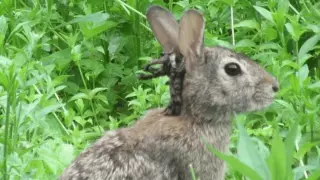
Tentacled rabbits return: wildlife health warning as virus resurfaces
science21 days ago

Tentacled rabbits return: wildlife health warning as virus resurfaces

Rabbits in the U.S. are reappearing with head- and body-growing tumours caused by Shope papilloma virus, earning them the nickname 'Frankenstein rabbits.' The growths are usually harmless unless they block eating or drinking and can rarely progress to squamous cell carcinoma. The virus is spread by insects such as mosquitoes and ticks—not directly between rabbits—peaking in summer and fall. Humans aren’t at risk, and Colorado Parks and Wildlife advises against euthanising infected wild rabbits unless their ability to eat is compromised.

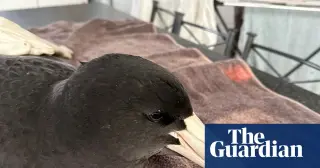
H5N1 hits Western Australia’s offshore seabirds, triggering wildlife health alert
science23 days ago

H5N1 hits Western Australia’s offshore seabirds, triggering wildlife health alert

Two sick brown skua and giant petrel found on Western Australia’s southern coast tested positive for H5N1 avian influenza and died, marking Australia’s first detections and prompting heightened surveillance amid fears of a broader wildlife outbreak. Experts say there’s no confirmed spread yet, but seabirds could transport the virus as they forage offshore. People should avoid handling dead or sick birds and report sightings via the Emergency Animal Disease Hotline.

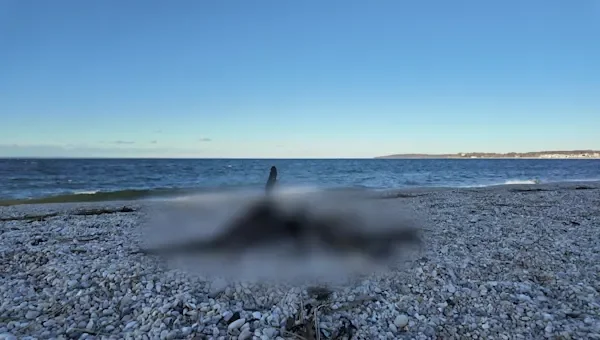
Bayville Faces Alarming Bird Die-Off Amid Avian Flu Fears
local4 months ago

Bayville Faces Alarming Bird Die-Off Amid Avian Flu Fears

Bayville residents report a growing number of dead birds on the beach, raising fears of an avian flu outbreak. The Department of Environmental Conservation says avian flu is widespread on Long Island and cannot retrieve every carcass. Public guidance emphasizes avoiding contact with dead birds and using gloves, masks, triple-bagging, and sanitation for disposal, as locals call for testing and a coordinated response.

Neon-Blue Wild Pigs Spur California Rodenticide Warnings
science4 months ago

Neon-Blue Wild Pigs Spur California Rodenticide Warnings

In Monterey County, California, wild pigs were found with neon-blue fat after exposure to diphacinone rodenticide, with the meat remaining pink but the fat stained blue; the incident prompts warnings about potential contamination of game and risks to non-target wildlife and humans, as California tightens restrictions on first‑generation rodenticides and urges safer application and integrated pest management; this blue-tainting has occurred before (notably in 2015), and authorities advise reporting blue animals to the Wildlife Health Lab.

Canine distemper devastates Chiang Mai tiger parks as 72 tigers die
world4 months ago

Canine distemper devastates Chiang Mai tiger parks as 72 tigers die

Authorities in Thailand are investigating the sudden deaths of 72 tigers across two Tiger Kingdom sites in Chiang Mai. Tests detected canine distemper virus; no human infections have been reported, and the parks have been closed for two weeks while samples are collected and containment is assessed. Wildlife groups warn about the risks of captive wildlife, with euthanasia advised for gravely ill animals.

Frozen Birds, Hidden Virus: Why Saving Them Can Be Harmful
science5 months ago

Frozen Birds, Hidden Virus: Why Saving Them Can Be Harmful

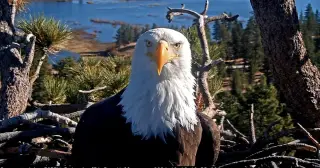
The H5N1 avian influenza has become endemic in wild waterfowl, and cold conditions help the virus persist on ice. Public rescue of apparently stranded birds can be counterproductive, as birds may be suffering from infection or stress rather than distress that rescue would fix. Officials urge distancing, reporting dead or ill birds to authorities, and avoiding feeding to prevent crowding that amplifies transmission. The situation has broader implications for poultry losses and surveillance, underscoring that rescuing a single bird can complicate public health and wildlife monitoring.

Bird Flu Suspected in Mass Snow Goose Deaths in Pennsylvania
health7 months ago

Bird Flu Suspected in Mass Snow Goose Deaths in Pennsylvania

Hundreds of snow geese found dead at a Northampton County quarry are suspected to have died from bird flu, with authorities testing and removing the carcasses. The outbreak of highly pathogenic avian influenza (HPAI) has affected waterfowl across the U.S., with the public advised to report sick or dead birds and take precautions to prevent spread. The CDC considers the human health risk low, but recommends safety measures for hunters and pet owners.

Multiple States Detect 'Zombie Deer Disease' in Wildlife
health9 months ago

Multiple States Detect 'Zombie Deer Disease' in Wildlife

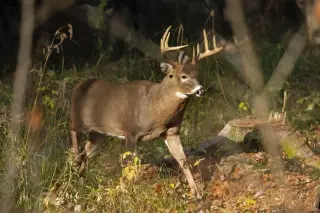
Florida has detected its second case of Chronic Wasting Disease (CWD) in a deer near the Georgia border, prompting a disease response plan. CWD is a fatal neurodegenerative disease affecting deer and related species, with no known cure or vaccine, and is being addressed through federal research funding. The disease has garnered public attention and misinformation, with some confusing it with harmless skin growths called fibromas, often called 'zombie deer'.

Michigan Reports First Cases of Deer Hemorrhagic Disease in Four Counties
environment10 months ago

Michigan Reports First Cases of Deer Hemorrhagic Disease in Four Counties

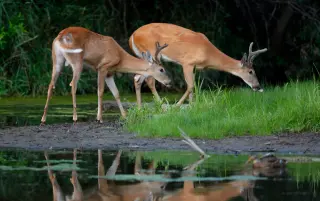
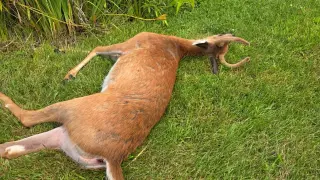
Michigan has reported its first four cases of epizootic hemorrhagic disease in deer for 2025, affecting deer in four counties. The disease, transmitted by biting midges, is usually localized and not contagious between deer or to humans, and infected animals can still be safely hunted and eaten. The DNR encourages reporting sick or dead deer and notes that symptoms include lethargy, disorientation, and bleeding.

Viral Outbreak Turns Squirrels into 'Zombie' Creatures in US Backyards
health11 months ago

Viral Outbreak Turns Squirrels into 'Zombie' Creatures in US Backyards

People in Canada and the U.S. are seeing 'zombie' squirrels with tumors caused by the squirrel fibroma virus (SFV), a benign poxvirus that mainly affects squirrels and rabbits. The virus, spread by insects and contact, causes skin fibromas but generally doesn't harm the squirrel population or pose a threat to humans, and infected squirrels are safe to eat. The appearance of these infected squirrels has led to concerns, but the disease is typically self-limiting.