
H5 Bird Flu Escalation in Australia: Mass Tern Deaths and Vaccination Efforts
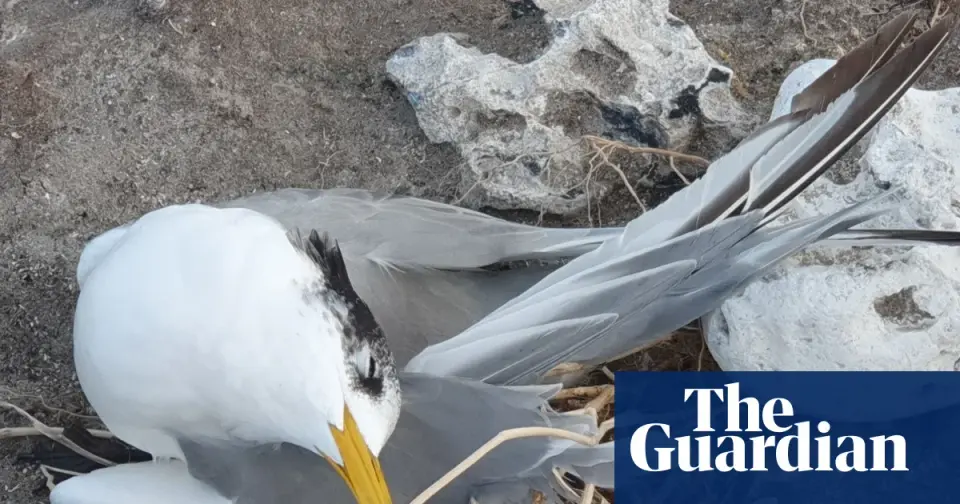
South Australia has declared a 'significant escalation' in H5 bird flu after aerial surveillance detected over 1,000 dead greater crested terns across Troubridge Island and the Pages Islands. This represents the largest mass casualty event since the virus arrived on the mainland in June. While no mammal deaths have been confirmed yet, authorities are investigating suspected cases in little penguins on Kangaroo Island and King Island. New South Wales also confirmed seven new cases, including giant petrels. In response, governments are prioritizing targeted vaccination for captive native species and high-risk mammals, though broad-scale wild vaccination remains impractical.
Key points
- South Australian Premier Peter Malinauskas confirmed the deaths of over 1,000 greater crested terns on offshore islands, marking the worst H5 outbreak to date in the state.
- The virus is spreading inland, with new detections in the Barossa region and a confirmed case in a raven at Port MacDonnell.
- Tasmania is investigating 28 little penguin deaths on King Island, with testing results expected this week.
- New South Wales confirmed seven new cases on the south coast, including six greater crested terns and one giant petrel.
- Authorities are considering targeted vaccination for captive species like orange-bellied parrots and red-tailed black cockatoos, as well as Australian sea lions at Seal Bay.
Background
H5N1 bird flu arrived in Australia in June 2026, following a global outbreak that began in 2020. Previous coverage highlighted the launch of the world's largest wildlife vaccination program in Victoria, targeting over 5,000 little penguins at Phillip Island and St Kilda. Earlier reports noted rising concerns for threatened species like fairy terns and marine mammals, with wildlife carers tightening protocols to prevent transmission. The current escalation marks a critical phase in the virus's spread from coastal areas to inland regions.
How outlets are covering it
The Guardian emphasizes the scale of the mortality event and the government's move toward targeted vaccination for captive species and mammals. ABC News highlights community frustration in Victoria, where residents in Portland are manually removing carcasses due to sporadic official clean-up efforts, raising concerns about transmission to other birds. The Conversation provides a broader scientific context, noting that while the first wave of H5N1 is often devastating, subsequent waves may see lower mortality rates as surviving populations develop immunity, though vulnerable species may take decades to recover. Kids News focuses on the ongoing vaccination efforts at Phillip Island, describing the process of vaccinating little penguins to protect the colony from the virus.
Why it matters
The escalation of H5 bird flu in Australia threatens not only native bird populations but also marine mammals and the broader ecosystem. The virus's spread inland and its potential to affect high-profile species like Australian sea lions and little penguins could have long-term conservation implications. Effective response measures, including targeted vaccination and rapid carcass removal, are critical to mitigating the impact of this highly pathogenic strain.
What to watch
Authorities will continue aerial surveillance and field patrols to monitor for further mass mortality events, particularly among mammals. Testing results for the suspected H5 cases in Tasmania are expected this week. Governments will proceed with targeted vaccination programs for captive native species and high-risk mammals, while also exploring opportunities to vaccinate at-risk populations in the wild. Ongoing efforts will focus on preventing the virus from spreading to poultry and livestock, as well as protecting vulnerable wildlife populations.
- More than 1,000 birds found dead in three mass mortality events amid ‘significant’ H5 escalation in Australia The Guardian
- Fears mass bird deaths in south-west Victoria linked to bird flu ABC News & Headlines – Australian Broadcasting Corporation
- The first wave of bird flu is the worst: what Australia can learn from overseas The Conversation
- Penguin parade turns vax queue in Knight cartoon Kids News
- Australia races to shield little penguins from H5N1 bird flu Myanmar International TV
Want the full story? Read the original reporting
Read on The Guardian