
Study Finds 26,886 US Parks Sit Within Two Miles of Toxic Waste Sites
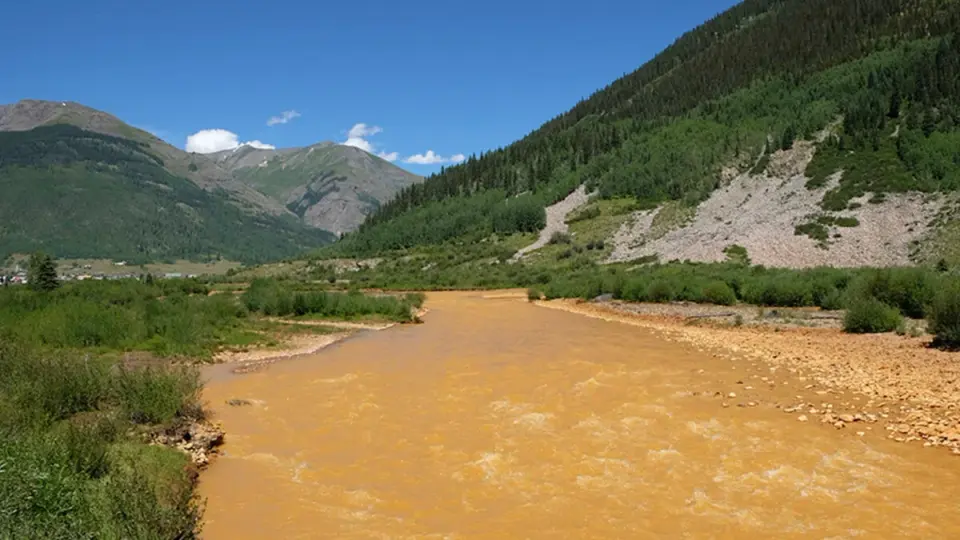
A University of Michigan study reveals that 18% of US public parks are located within two miles of EPA-designated Superfund sites, with over 2,000 parks physically overlapping these contaminated areas. The research, published in Scientific Reports, highlights that nearly half of all parks are near Toxics Release Inventory sites, challenging the view of green spaces as isolated health benefits.
Key points
- Researchers at the University of Michigan cross-referenced 151,366 public parks with EPA pollution databases to assess proximity to toxic sites.
- The study found that 26,886 parks, representing 18% of the total, are within two miles of a Superfund site, with over 2,000 physically overlapping these sites.
- Over half of all US parks are located within two miles of a Toxics Release Inventory site, and at least 63 parks share property with these facilities.
- Colorado has the largest total park area overlapping with Superfund sites, while only five states have no park land overlapping with such sites.
- The researchers note that current analysis does not account for specific pollutants or local factors like wind patterns, which could influence exposure risks.
Background
This finding follows earlier concerns about environmental hazards in public spaces, such as the 2026 toxic algal bloom advisories in Ohio and the 2026 caterpillar outbreak in Germany, which highlighted how environmental factors can directly impact public health and access to recreational areas. While those events involved biological or chemical blooms, the current study focuses on the structural proximity of parks to long-term industrial contamination sites.
Why it matters
The study challenges the assumption that public parks are uniformly beneficial for health, revealing that many are situated in areas with significant pollution risks. This overlap suggests that communities may face compounded health challenges from both the lack of green space and the presence of toxic waste, necessitating more localized analysis and advocacy to address environmental justice issues.
What to watch
Future research aims to incorporate specific pollutant data and local environmental factors, such as wind patterns and topography, to better understand how pollutants spread from nearby sites into park areas. The researchers also plan to map other neighborhood amenities and health risks to provide a more comprehensive view of the benefits and risks associated with public spaces.
Want the full story? Read the original reporting
Read on Gizmodo