
Sendai Zoo Confirms Four Humboldt Penguins Died of Avian Malaria
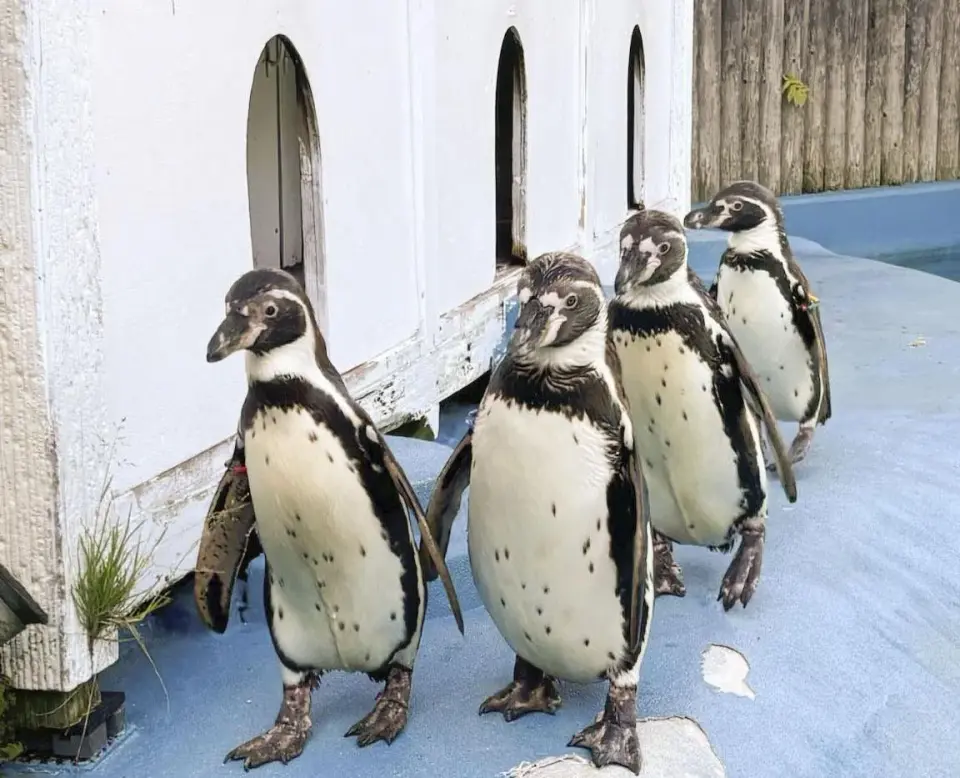
An investigation by Iwate University confirmed that all four Humboldt penguins at Yagiyama Zoological Park in Sendai died from avian malaria between July 9 and 19. The zoo plans to redesign enclosures to eliminate mosquito breeding sites before reintroducing birds.
Key points
- Iwate University determined that avian malaria caused the deaths of all four Humboldt penguins at Yagiyama Zoological Park in Sendai.
- The deaths occurred between July 9 and 19, beginning with a male penguin named Aramasa, with no visible symptoms until the day before death.
- The zoo has no immediate plans to acquire new penguins, focusing instead on modifying the enclosure to prevent mosquito breeding.
- Humboldt penguins, native to Peru and Chile, are commonly kept in Japanese zoos due to their adaptation to warmer climates.
- The disease is mosquito-borne and does not infect humans, but can progress rapidly in birds.
Background
This incident follows the deaths of three lions at Tokyo’s Tama Zoo in early August, which were attributed to heatstroke and dehydration during a record-breaking heatwave. While the lion deaths were linked to environmental temperature and humidity, the penguin deaths are attributed to a specific vector-borne disease, highlighting distinct challenges in zoo animal care.
How outlets are covering it
Qazinform and A News report the facts consistently, citing Kyodo News and the zoo’s official statement that the deaths were due to avian malaria. They emphasize the rapid progression of the disease and the zoo’s proactive measures to redesign enclosures to reduce standing water. Japan Today’s coverage includes a heated comment section where users debate whether the deaths reflect systemic negligence in Japanese zoos or are an unavoidable consequence of a global disease. Some commenters link the penguin deaths to the recent lion deaths as evidence of poor animal care, while others argue that avian malaria is a widespread natural phenomenon and that blaming the zoo is unwarranted. The zoo’s response focuses on technical improvements to the habitat rather than acknowledging broader institutional failures.
Why it matters
The deaths underscore the vulnerability of captive animals to vector-borne diseases that may be difficult to detect until it is too late. The zoo’s decision to redesign enclosures to eliminate mosquito breeding sites highlights the importance of environmental management in preventing such outbreaks. Additionally, the incident raises questions about the balance between public entertainment and animal welfare in Japanese zoos, particularly in the wake of recent high-profile animal deaths.
What to watch
The zoo will implement enclosure modifications to reduce standing water and mosquito breeding before reopening the penguin exhibit. There are no immediate plans to acquire new penguins until these preventive measures are in place. The zoo may also review other animal enclosures to ensure similar risks are mitigated.
- All 4 penguins kept at northeastern Japan zoo die of avian malaria Japan Today
- Japan: Yagiyama Zoological Park reports deaths of 4 Humboldt penguins due to avian malaria outbreaknewstoday.substack.com
- Four penguins die from avian malaria at northeastern Japan zoo Qazinform
- Four penguins at Japanese zoo die from avian malaria A News
Want the full story? Read the original reporting
Read on Japan Today