
Wisconsin EHD Outbreak Kills 700+ Deer as Midges Spread Virus
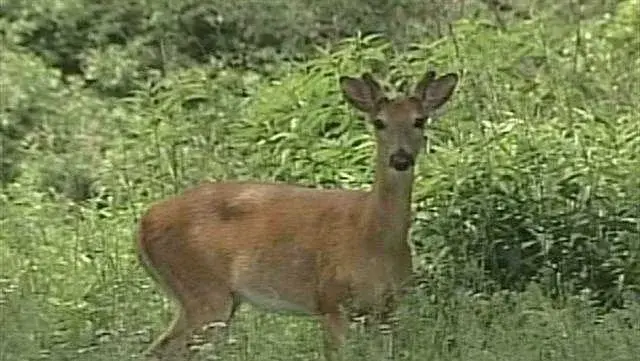
Epizootic Hemorrhagic Disease (EHD) has killed over 700 white-tailed deer in southeastern Wisconsin, with cases confirmed in Washington, Waukesha, and Ozaukee counties. The Wisconsin Department of Natural Resources (DNR) reports daily sightings of dead deer, often found near water sources. While the virus poses no threat to humans, it causes rapid internal bleeding and fever in deer. Local governments, such as Richfield, are struggling with carcass removal, while hunters report a near-total absence of deer activity in affected areas.
Key points
- The Wisconsin DNR confirmed EHD in two deer near Richfield and West Bend in Washington County in mid-August 2026.
- As of September 2, 2026, over 700 dead deer have been reported, with more than 600 in Washington County and over 100 in Waukesha County.
- The disease spreads via midge bites, causing high fevers that drive deer to seek water, where they often die within 36 hours.
- Richfield public works staff have removed approximately 90 carcasses, shifting from contractors to direct staff due to the volume of requests.
- Experts state there is no way to stop the spread, but outbreaks typically end after the first hard frost kills the midges.
Background
EHD is a recurring issue in the U.S., particularly in southern and western states, but has been documented in Wisconsin since 2002. A significant outbreak in 2012 affected eight counties. While previous coverage noted mosquito-borne threats like West Nile virus in New Jersey, EHD is distinct, affecting only ruminants and not humans. The current surge follows a pattern of late-summer insect activity, similar to global trends where vector-borne diseases spike during warm weather.
How outlets are covering it
WISN and the Milwaukee Journal Sentinel emphasize the scale of the outbreak in Wisconsin, noting the rapid increase from 100 to over 700 cases in weeks. The Journal Sentinel highlights local impacts, such as Richfield’s resource strain and hunter Dave Strupp’s decision to avoid hunting in the area. WSLS reports on a similar but separate situation in Virginia, where the Department of Wildlife Resources noted sporadic deaths but emphasized that the disease does not threaten humans or pets. Outdoor News focuses on the confirmation in Washington County and its implications for hunters, though specific details are limited behind a paywall. All sources agree that midges are the vector and that frost is the only natural check on the spread.
Why it matters
The outbreak threatens local deer populations and strains municipal resources for carcass removal. While the virus does not infect humans, it impacts wildlife management and hunting seasons. Understanding the vector and seasonal patterns helps in predicting future outbreaks and managing wildlife health.
What to watch
The DNR will continue monitoring reports but will not test additional deer in the known outbreak area unless cases appear far from West Bend or Richfield. The outbreak is expected to subside after the first hard frost, which will kill the midges. Hunters are advised to avoid affected areas to allow herd recovery.
- DNR: 700+ reports of dead deer in Washington, Waukesha Counties amid virus outbreak WISN
- DWR reports numerous suspected cases of deer with hemorrhagic disease in Virginia WSLS
- Hundreds of deer found dead in southeastern Wisconsin likely due to disease spread Milwaukee Journal Sentinel
- WI Daily Update: EHD confirmed in Washington County Outdoor News
- Hemorrhagic disease suspected in spate of white-tailed deer deaths on Flathead Indian Reservation Clark Fork Valley Press | Mineral Independent
Want the full story? Read the original reporting
Read on WISN