
Sardinia’s Casu Marzu: The Banned Cheese Eaten Alive
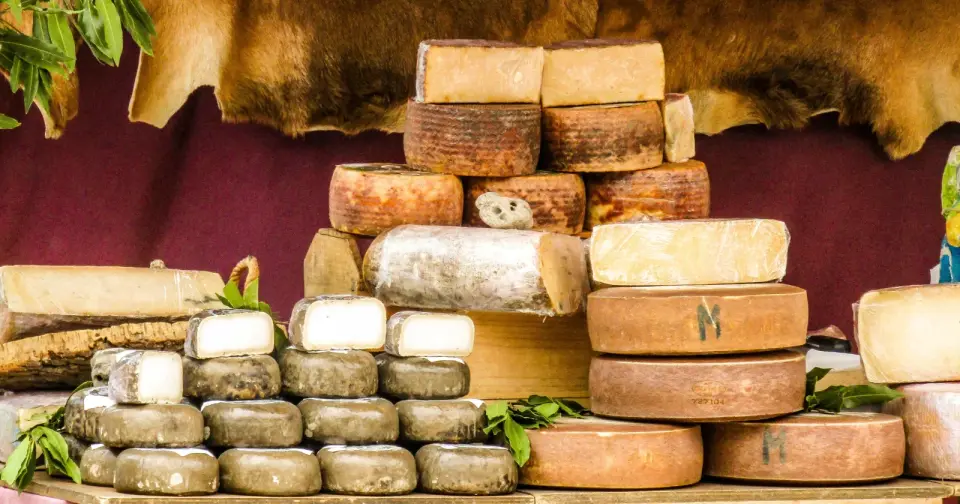
Casu marzu, a Sardinian pecorino cheese, is produced by allowing cheese flies to lay eggs in the rind, resulting in live larvae that are consumed. While banned across the EU and Italy due to hygiene laws, it remains a traditional delicacy eaten privately, with recent petitions for legal status rejected.
Key points
- Production involves opening sheep’s milk pecorino wheels to allow Piophila casei flies to lay eggs, with larvae digesting the cheese into a soft, weeping texture.
- Italy’s 1962 food hygiene law and EU regulations from 2004-2005 prohibit the sale of foods containing live larvae, making commercial trade illegal despite its status as a traditional product.
- A 2010 University of Sassari study found inconsistent results in controlled production, noting that while larval colonization breaks down proteins, the process remains unpredictable and difficult to standardize.
- Medical literature classifies consumption as 'pseudomyiasis,' generally self-limiting, though Guinness World Records labeled it the 'most dangerous cheese' in 2009 due to potential intestinal irritation.
- A 2023-2024 petition to the European Parliament to legalize the cheese was rejected, with authorities dismissing it as a contaminated product, and production is now threatened by hotter summers disrupting fly life cycles.
Background
This story revisits the long-standing conflict between Sardinian culinary heritage and European food safety standards. Previous coverage in our archive does not directly address this specific topic, but the broader theme of cultural traditions clashing with modern regulatory frameworks is a recurring narrative in food and cultural studies. The cheese’s status as both a protected traditional agri-food product and a banned item highlights the complex legal and cultural tensions surrounding artisanal foods in the EU.
Why it matters
Casu marzu represents a unique intersection of cultural preservation, food safety, and regulatory conflict. Its continued consumption despite legal prohibitions underscores the resilience of traditional practices, while the lack of scientific consensus on its safety and the difficulty in standardizing production highlight the challenges of integrating artisanal foods into modern regulatory frameworks. The decline in production due to climate change also raises concerns about the sustainability of this cultural heritage.
What to watch
The future of casu marzu remains uncertain, with no clear path to legalizing its sale in the EU. Climate change may further reduce production, and the lack of funding for research means that the scientific understanding of the cheese and its safety will likely remain limited. Any potential changes in regulation would require significant shifts in both Italian and EU food safety policies.
Want the full story? Read the original reporting
Read on spacedaily.com