
Rwanda's New Bridges Transform Rural Economies and Safety
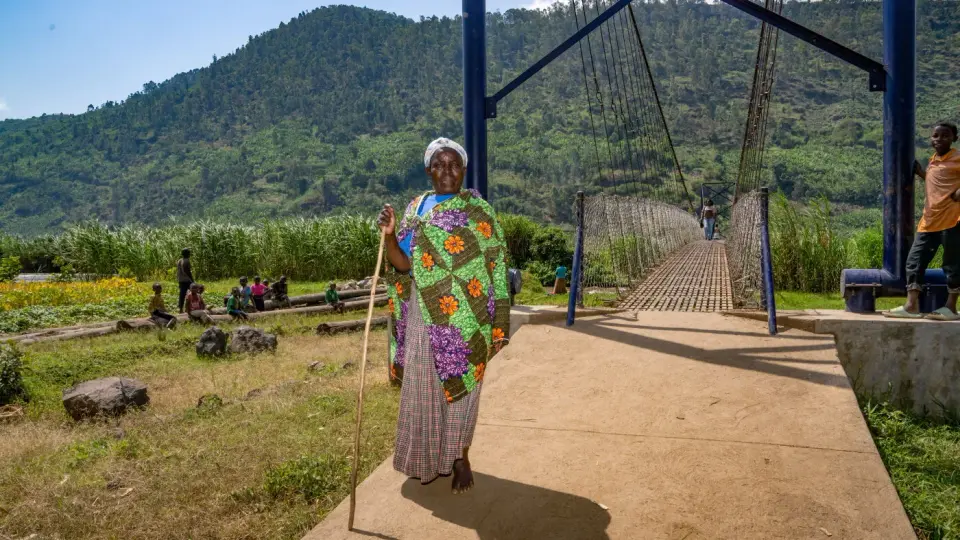
A new study reveals that pedestrian bridges built by the nonprofit Fika in Rwanda have significantly boosted incomes, school attendance, and healthcare access in remote communities. By replacing dangerous river crossings, these structures have generated a 120% return on investment, proving that small infrastructure projects can yield massive social and economic returns despite the country's challenging terrain.
Key points
- The nonprofit Fika has constructed 96 pedestrian bridges in Rwanda since 2020, with the latest study assessing their impact on rural households.
- Research from the University of Colorado Boulder shows that bridge construction leads to increased household income, consumption, land cultivation, and fertilizer use.
- School enrollment has risen significantly; for instance, over 134 students re-enrolled at one primary school after a bridge was built, as parents no longer feared river crossings for their children.
- Healthcare access improved, with one clinic reporting a 40% increase in patients from the opposite side of the river.
- Each bridge costs approximately $100,000 to build, a figure considered cost-effective given the logistical difficulties of Rwanda's mountainous terrain.
- The project was previously funded by the Rwandan government and USAID, though USAID was dismantled by the Trump administration, highlighting the need for local budget allocations.
Background
This development follows earlier coverage of international infrastructure projects, such as the Gordie Howe Bridge between Canada and the US, which opened amid trade tensions. Unlike that project, which faced diplomatic hurdles, Rwanda's bridge initiative focuses on domestic poverty alleviation. Additionally, recent legal actions in the Netherlands regarding the 1994 genocide underscore the complex historical and social dynamics in Rwanda, making current infrastructure investments crucial for stability and economic growth.
Why it matters
The findings demonstrate that targeted infrastructure investments can produce high returns on social and economic outcomes, offering a model for other developing nations facing aid cuts. As global development assistance shrinks, evidence-based projects like Fika's bridges provide a compelling case for governments to prioritize transportation infrastructure in their budgets to unlock broader economic potential in rural areas.
What to watch
Researchers and development economists suggest that governments should allocate more funds to transportation investments in their budgets, recognizing the high return on investment. However, communities will continue to advocate for additional infrastructure, including roads, electricity, and clean water, to address remaining challenges in rural development.
Want the full story? Read the original reporting
Read on NPR