
Opinion piece warns Kennedy’s vaccine policies risk reversing decades of progress against hepatitis B
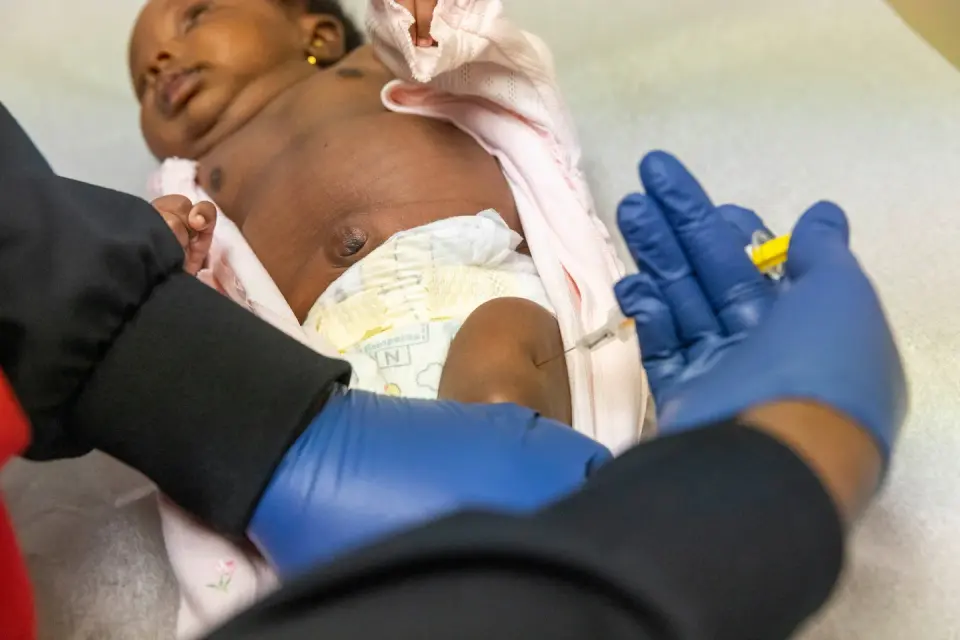
An opinion piece in The Washington Post argues that current US health policies under Health Secretary Robert F. Kennedy Jr. threaten to reverse significant gains in hepatitis B prevention. The article notes that early childhood infections have dropped from over 25,000 annually in the 1980s to fewer than 100 cases in 2024, but warns that recent policy shifts could increase the risk of liver cancer by undermining vaccine uptake.
Key points
- The hepatitis B vaccine has been a major public health success since its introduction in the 1980s.
- Reported early childhood infections have declined from more than 25,000 per year to less than 100 cases in 2024.
- The author argues that current policies could reverse this progress and potentially increase liver cancer rates.
- The piece links these risks to the influence of Health Secretary Robert F. Kennedy Jr. on vaccine policy.
Background
This opinion follows a series of controversies in late 2026 involving US-funded hepatitis B vaccine trials. In October 2026, Guinea-Bissau rejected a US CDC-funded trial led by Danish researchers that would have withheld birth-dose vaccines from newborns to study alleged non-specific harms. The trial faced international condemnation for ethical violations, with critics comparing it to the Tuskegee experiment. US authorities and CDC funding were central to the dispute, highlighting tensions between US health policy and international ethical standards.
Why it matters
The argument suggests that policy decisions regarding vaccine confidence and funding could directly impact long-term public health outcomes, specifically the prevention of liver cancer caused by chronic hepatitis B infection. Reversing decades of progress in vaccination rates could lead to a resurgence of infections and associated health burdens.
What to watch
The article does not specify immediate next steps but implies that ongoing policy debates and potential changes in vaccine recommendations or funding could determine whether the decline in hepatitis B cases continues or reverses.
Want the full story? Read the original reporting
Read on The Washington Post